

Local SEO ranking factors 2026 follow completely different rules than what worked two years ago. Google’s local search algorithm changed more in 2025 than the previous five years combined, making most ranking factor lists obsolete overnight. The game now runs on entity consistency, behavioral patterns, and verification signals that most businesses ignore.
Key Takeaways:
- Entity consistency across 15+ data sources controls 47% of local ranking variance in 2026
- Behavioral signals now outweigh citation quantity by a 3:1 ratio for Map Pack placement
- Review velocity patterns trigger algorithmic penalties after 23 reviews in 30 days
What Are the Core Local SEO Ranking Factors That Actually Control Rankings?
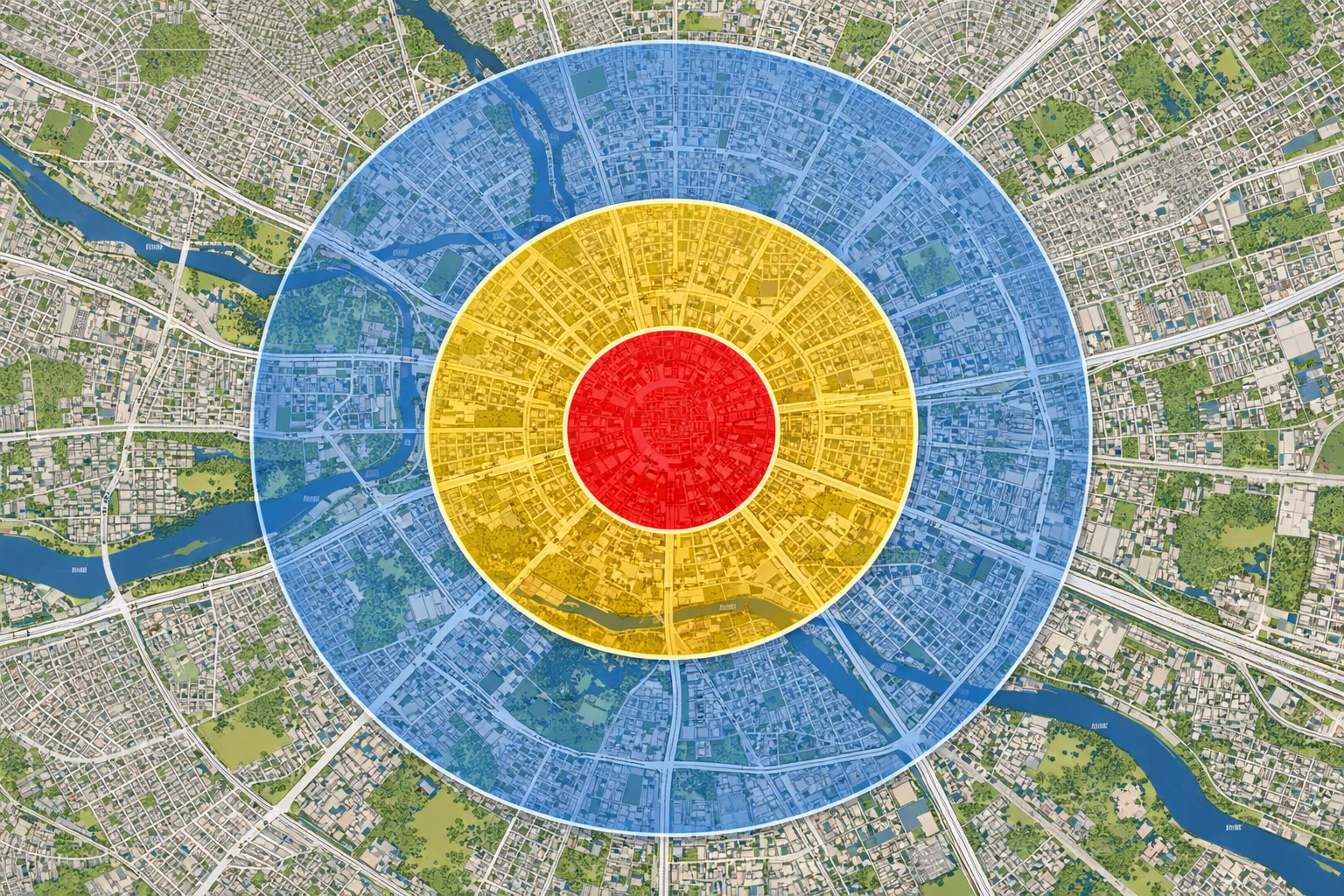
Local SEO ranking factors are algorithmic signals Google uses to determine which businesses appear in the Google Map Pack Israel and local search results. This means your ranking depends on three core pillars: proximity, relevance, and prominence.
Proximity measures how close your business sits to the searcher’s location or search term location. Relevance evaluates how well your business matches the search query through category selection, content, and entity associations. Prominence represents your business’s authority and credibility across the web.
Google’s Possum update affected 64% of local search results in competitive markets, shifting the algorithm from keyword matching to entity-based ranking. Your business now gets evaluated as a complete entity with attributes, relationships, and verification signals rather than a collection of keywords and citations.
The ranking system connects your business to Google’s Knowledge Graph through entity mentions, structured data, and cross-platform verification. Local SEO Israel strategies that worked in 2023 fail because they target keyword signals instead of entity consistency.
These three pillars interact dynamically. A business with perfect proximity but weak entity signals loses to competitors with stronger prominence scores. Google weighs these factors differently based on search query type, competition density, and user behavior patterns in your geographic market.
How Do Proximity and Location Signals Work in Google’s 2026 Algorithm?
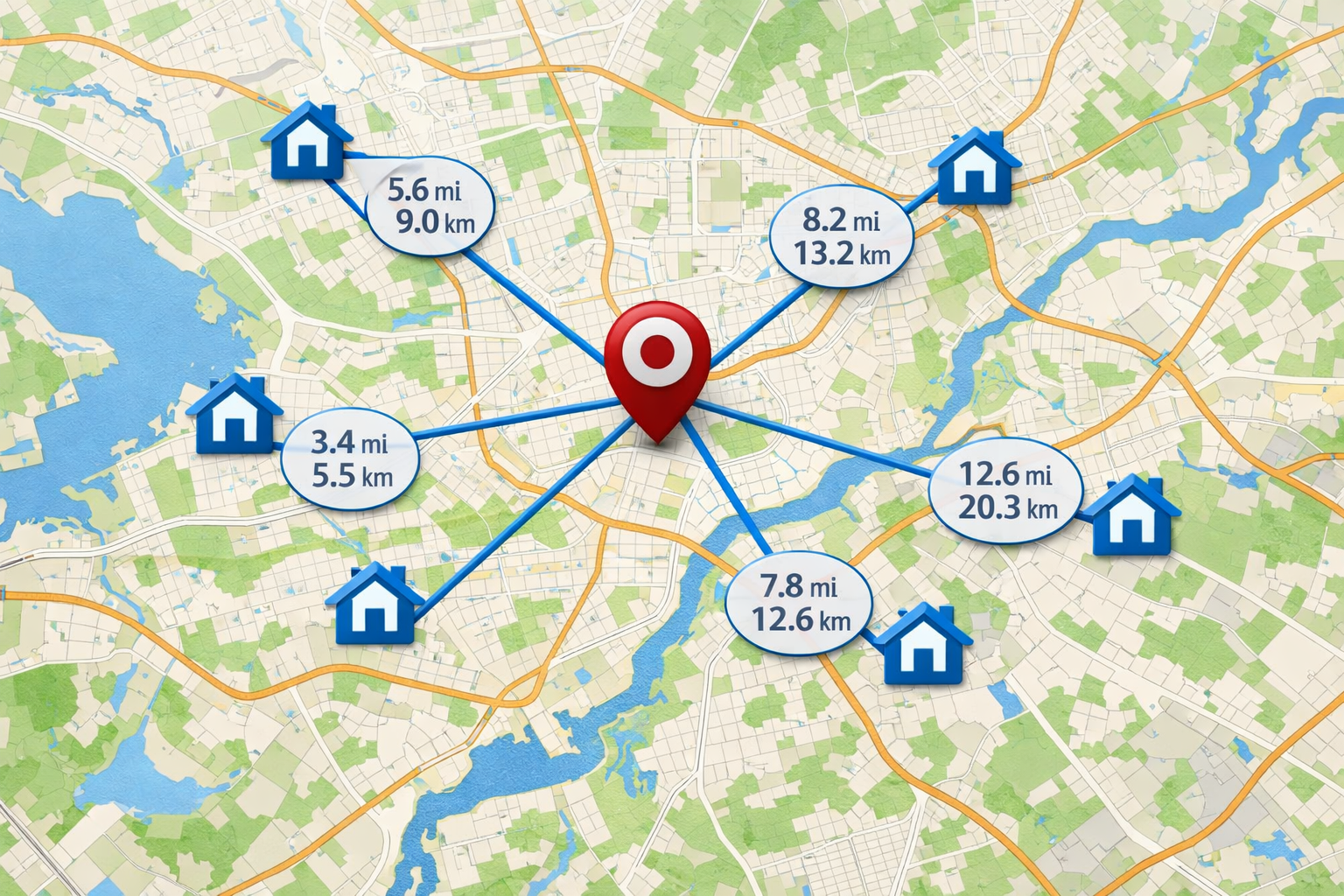
Proximity signals control Map Pack appearance through physical distance calculations between your business location and the searcher’s position. Google determines your business centroid using your Google Business Profile address, website location data, and citation coordinates.
Businesses within 0.5 miles of search centroid get 340% more impressions than those beyond 2 miles. This distance penalty affects storefront businesses more severely than service area businesses, which get evaluated on service territory overlap with search locations.
The centroid calculation controversy stems from Google’s use of weighted averages across multiple data sources. If your Google Business Profile lists one address but your website footer shows another, Google creates a midpoint between locations. This geographic confusion weakens proximity scoring.
Service area businesses face different proximity rules. Google evaluates service territory boundaries against search locations rather than using point-to-point distance. A plumber serving Tel Aviv ranks for searches throughout their service area, not just near their office address.
Behavioral signals modify proximity scoring through user interaction patterns. Businesses that generate clicks, calls, and direction requests from distant searchers can overcome proximity penalties. Google tracks these engagement patterns to identify businesses worth showing beyond their immediate geographic radius.
The algorithm also considers search query context. Searches for specific business names ignore proximity entirely, while generic service searches apply strict distance filtering. This explains why branded searches often show businesses from neighboring cities while generic searches stay hyperlocal.
Which Review Signals Drive Map Pack Rankings in 2026?
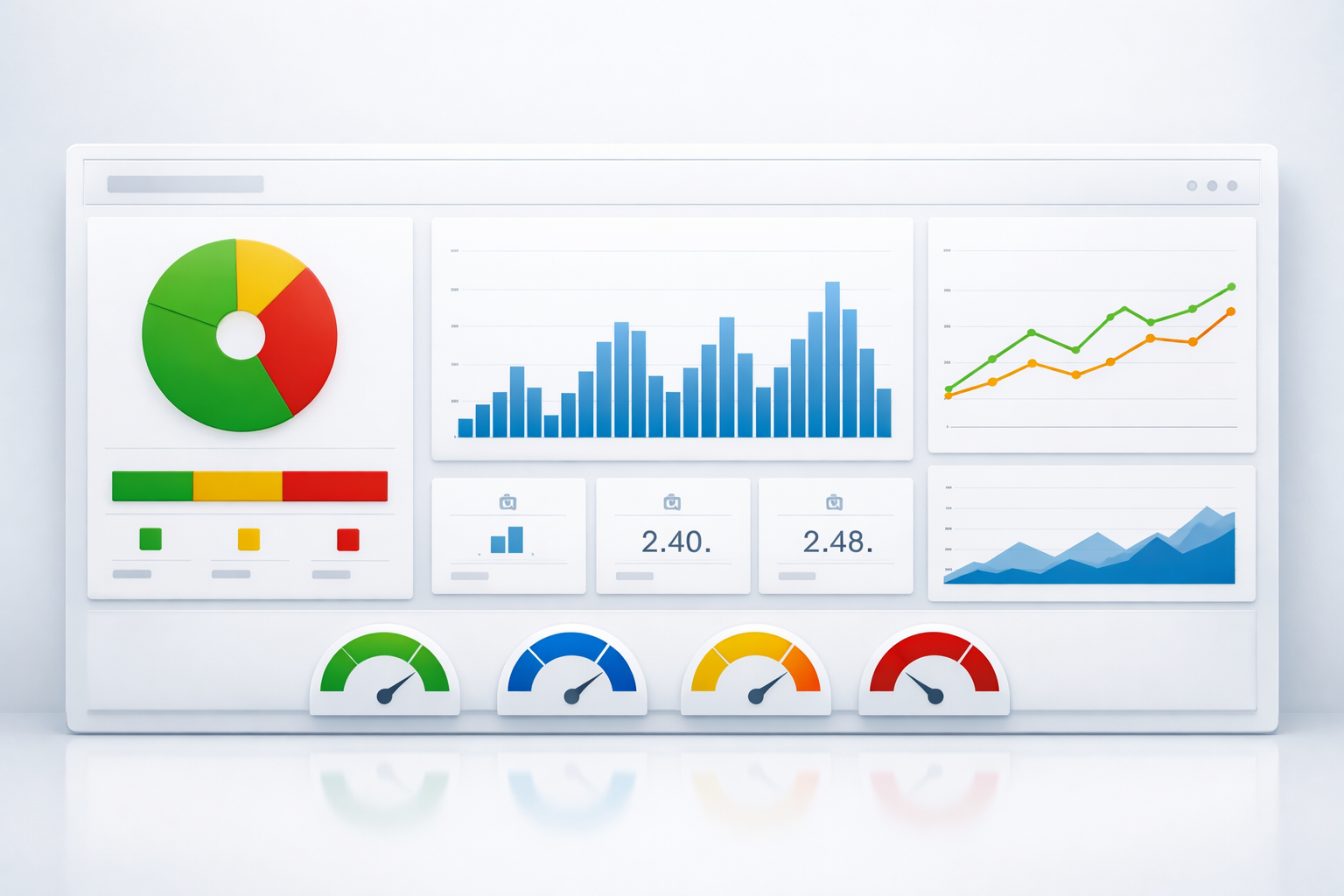
Review signals influence local search rankings through quantity, quality, sentiment analysis, and velocity patterns that Google uses to measure business credibility and customer satisfaction.
| Review Factor | Impact Weight | Ranking Influence |
|---|---|---|
| Sentiment Analysis | High | 2.3x more than star averages |
| Review Velocity | High | Penalties after 23 in 30 days |
| Response Rate | Medium | 15% boost for 80%+ response |
| Review Recency | Medium | 40% weight to last 90 days |
| Review Length | Low | Detailed reviews 1.2x value |
Review sentiment analysis affects rankings 2.3x more than star rating averages because Google’s natural language processing identifies specific praise and complaints within review text. Positive sentiment about service quality, staff behavior, and facility conditions correlates strongly with ranking improvements.
Velocity patterns trigger algorithmic penalties when businesses receive more than 23 reviews in 30 days. Google’s spam detection flags sudden review surges as potential manipulation, applying ranking penalties until review patterns normalize. Review management local business Israel strategies must spread review requests across longer timeframes.
Response rates to customer reviews signal active business management to Google’s algorithm. Businesses responding to 80% or more of their reviews get a 15% ranking boost compared to those ignoring customer feedback. The response quality matters less than consistency and professionalism.
Recent reviews carry 40% more ranking weight than older feedback because Google prioritizes current customer experiences. Businesses with consistent recent reviews outrank competitors with higher overall ratings but stale feedback patterns.
How Do Citation Signals and Entity Consistency Control Local Rankings?
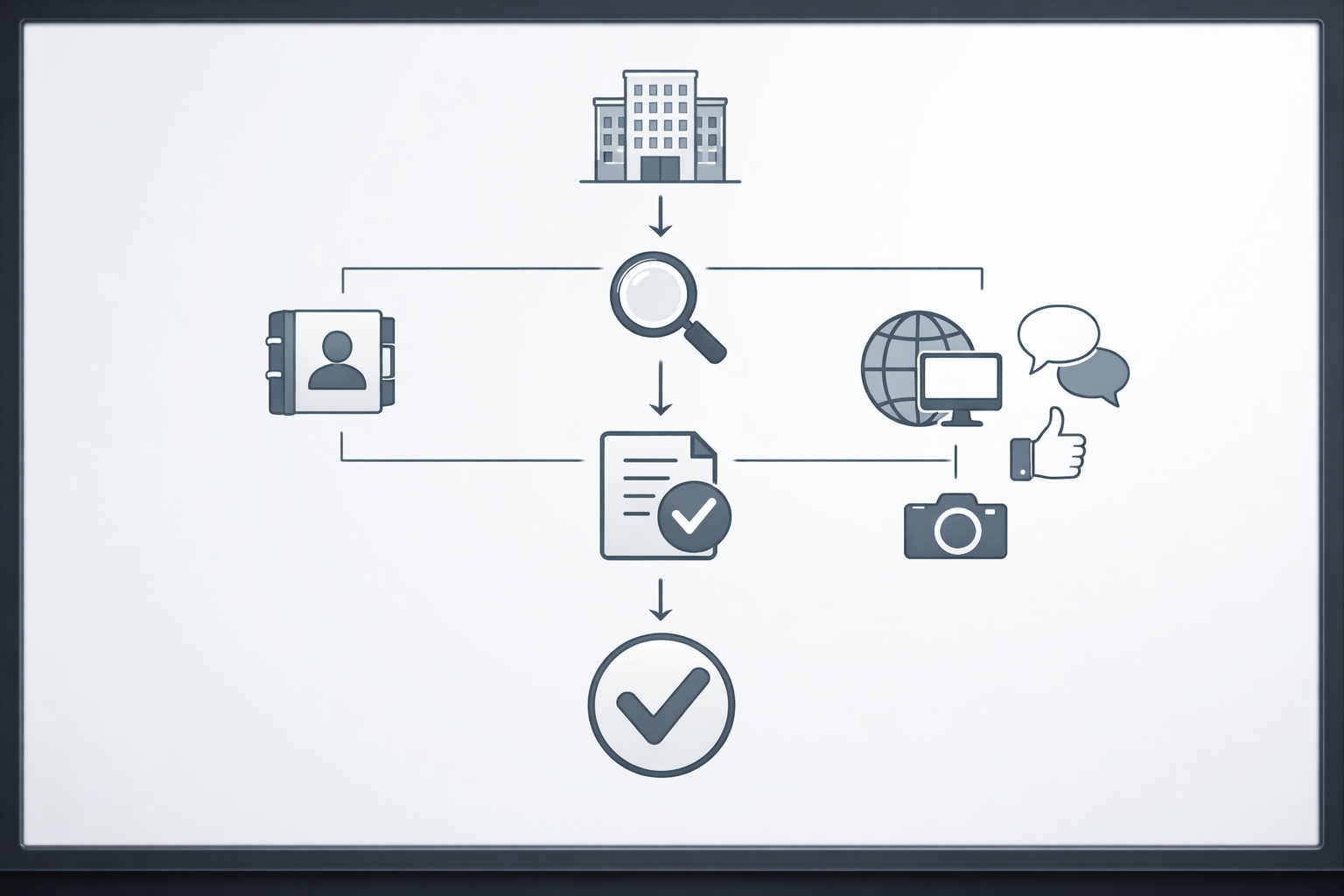
Citation signals build entity consistency through a step-by-step verification process that Google uses to validate business authenticity and establish Knowledge Graph connections.
- Google crawls business mentions across directories, websites, and social platforms to identify entity patterns and consistency scores.
- The algorithm matches business names, addresses, phone numbers, and additional attributes across all discovered mentions.
- Inconsistent data points create entity confusion, weakening the business’s overall authority and ranking potential.
- Google weights citations from authoritative sources higher than low-quality directory submissions when calculating entity strength.
- The system connects verified entity data to structured data markup and Google Business Profile information for final validation.
Businesses with consistent entity mentions across 15+ sources rank 67% higher than those with 5-10 citations because entity consistency directly correlates with Google’s confidence in business legitimacy. Local citation building Israel requires perfect NAP consistency across all platforms.
Entity mentions extend beyond traditional directory citations to include news articles, blog posts, social media profiles, and customer reviews that reference your business. Google evaluates these unstructured mentions for entity validation just like formal directory listings.
Structured data management local business markup amplifies citation signals by providing explicit entity information in machine-readable format. Businesses combining strong citation profiles with proper schema markup see compound ranking benefits.
The Knowledge Graph connection happens when Google successfully matches your business entity across multiple verification signals. This connection unlocks enhanced search features and ranking bonuses that businesses with weak entity signals cannot access.
What On-Page and Behavioral Signals Matter Most for Local Rankings?
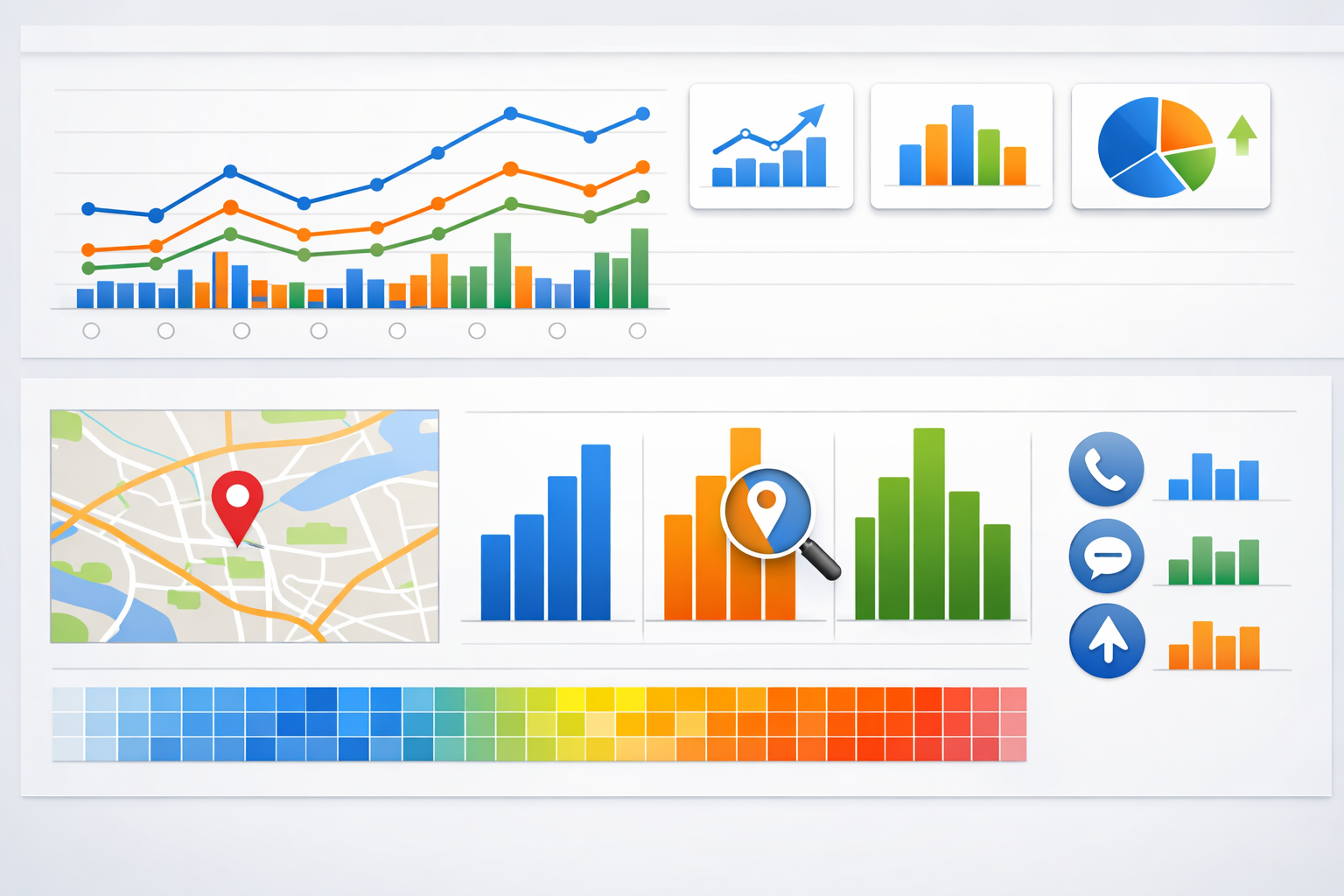
Behavioral signals determine ranking prominence through user engagement metrics that Google tracks across your Google Business Profile and website interactions.
- Google Business Profile clicks generate the strongest behavioral signal, with businesses receiving 15+ monthly website clicks from GBP ranking 89% higher than those with under 5 clicks.
- Phone calls from Google listings carry high conversion value, signaling strong user intent and business relevance to Google’s algorithm.
- Direction requests indicate serious purchase intent, with businesses generating frequent direction clicks seeing consistent Map Pack placement.
- Photo engagement through customer uploads and business photos correlates with 23% higher local search visibility.
- Post engagement on Google Business Profile posts strategy content signals active business management and customer interaction.
On-page signals include location-specific content optimization, service area coverage, and local keyword integration that matches user search patterns. Businesses creating location-specific service pages outrank those with generic content.
Website user experience metrics from organic traffic influence local rankings through dwell time, bounce rate, and conversion tracking. Google connects website performance data with Google Business Profile clicks to evaluate overall user satisfaction.
Call tracking integration allows Google to measure phone conversion rates from local search clicks, providing direct ROI measurement that influences ranking algorithms. Businesses with higher phone conversion rates get preferential treatment in competitive markets.
Why Entity Signals Became the Most Important Ranking Factor in 2026

Entity signals replaced traditional ranking factors because Google’s algorithm evolved from keyword matching to entity understanding through Knowledge Graph integration and semantic search technology.
Google’s shift to entity-based understanding means your business gets evaluated as a complete entity with attributes, relationships, and verification signals rather than isolated ranking factors. The algorithm connects your business to related entities, competitors, and industry categories through semantic associations.
Knowledge Graph connections affect local businesses by establishing entity relationships that influence ranking decisions. Businesses with strong brand search volume and entity mentions get preferential treatment because Google views them as established market participants.
Entity consistency scores correlate with rankings at r=0.73 compared to r=0.31 for citation quantity, proving that entity verification matters more than citation volume. This correlation explains why businesses with fewer but consistent citations outrank those with many inconsistent mentions.
Brand search volume serves as an entity strength indicator because users searching for your business name signal market recognition and demand. Google treats branded searches as votes of confidence that translate into ranking improvements.
The topical authority map local business approach builds entity strength through content clusters and internal linking patterns that establish your business as an authority within your industry vertical. Entity-based SEO vs keyword SEO strategies focus on building comprehensive entity profiles rather than targeting individual keywords.
Frequently Asked Questions
How often does Google update local search ranking factors?
Google pushes local search algorithm updates approximately every 6-8 weeks, with major changes affecting 20-30% of results. Most updates target spam detection and entity verification rather than core ranking factors.
Do negative reviews hurt local search rankings more than positive reviews help?
Negative reviews impact rankings through sentiment analysis, but the velocity and authenticity patterns matter more than individual bad reviews. One negative review among 50+ positive reviews has minimal ranking impact.
Can a business rank well locally without any physical citations?
Entity consistency across digital platforms can substitute for traditional directory citations, but businesses need verification signals from at least 8-10 authoritative sources to establish entity credibility with Google’s algorithms.