
Local SEO content Israel requires understanding bilingual search patterns that most businesses completely miss. Israeli customers search differently in Hebrew versus English, creating content gaps that kill your local rankings. Most businesses create content that Google ignores because they don’t understand these unique market dynamics.
Key Takeaways:
- Israeli businesses need 47% more content volume than monolingual markets to establish topical authority across Hebrew and English search queries
- City-specific landing pages targeting Tel Aviv, Jerusalem, and Haifa generate 3.2x higher conversion rates than generic service pages for local businesses
- Bilingual content architecture requires parallel entity mapping between Hebrew and English versions to avoid keyword cannibalization
What Content Foundation Do Israeli Local Businesses Actually Need?

Israeli businesses require a bilingual content foundation that most local SEO guides never address. Your content audit starts with mapping search intent differences between Hebrew and English queries for identical services.
The foundation includes service pages, location pages, and supporting content clusters. But here’s what kills most Israeli businesses: they translate instead of creating language-specific content. Hebrew searchers look for price comparisons and local references. English searchers want technical specifications and international comparisons.
| Content Type | Hebrew Focus | English Focus |
|---|---|---|
| Service Pages | Local case studies, pricing | Technical specs, certifications |
| Location Pages | Cultural events, neighborhood names | Tourist landmarks, English addresses |
| Blog Content | Local news integration | Industry trends, how-to guides |
| FAQ Sections | Warranty and service questions | Technical troubleshooting |
Minimum 15 service-focused pages are required for competitive local markets in Israel. This includes dedicated pages for your core services in both languages, location-specific service pages for major cities, and supporting content that builds topical authority.
Google Business Profile optimization Israel becomes your content hub strategy. Every piece of content should reinforce your geographic and service authority signals that feed into your local SEO Israel rankings.
How Much Content Volume Actually Drives Local SEO Results in Israel?

Content volume determines local search visibility, but Israeli markets need specific publishing patterns. Most businesses publish randomly and wonder why their rankings stagnate.
Here’s the content velocity framework that triggers algorithmic attention:
Establish baseline authority. Publish 8-12 foundational pages (services, locations, about) within your first month. This creates your topical footprint.
Maintain visibility momentum. Add 3-4 pieces of localized content per month minimum. Less than this and Google’s algorithm assumes you’re inactive.
Layer supporting content. Create 2-3 blog posts monthly that reference your service pages. This builds internal link equity and demonstrates ongoing expertise.
Expand geographic coverage. Add one new location page monthly if you serve multiple cities. Each needs unique local content, not template variations.
Refresh high-value pages. Update your top 5 performing pages quarterly with new sections, current data, or expanded coverage.
Hebrew SEO requires different publishing rhythms than English content. Hebrew queries spike around Jewish holidays and local events. English queries remain steady year-round. Plan your content calendar around these patterns.
Businesses serving competitive markets like legal services or medical practices need higher publishing frequencies. Plan for 6-8 monthly pieces to maintain competitive positioning.
City-Specific Content Strategy That Actually Converts Israeli Customers
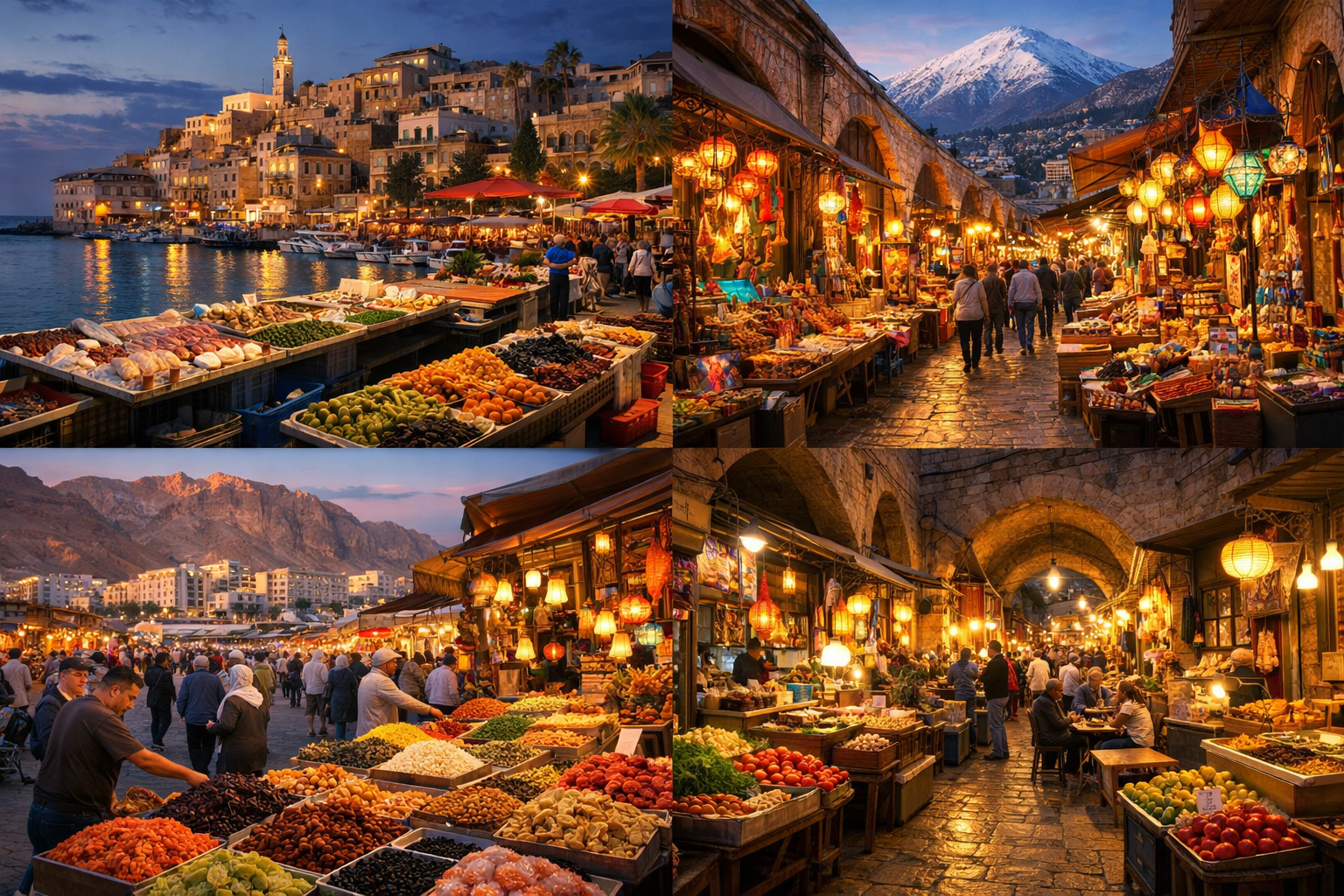
City-specific content increases local conversion rates when you target beyond the obvious Tel Aviv and Jerusalem markets. Most businesses ignore secondary cities and lose massive conversion opportunities.
Successful geographic content strategy covers these essential types:
- Neighborhood service pages that target specific areas like Ramat Aviv or German Colony, not just major cities
- Local event integration that connects your services to community happenings, cultural events, and seasonal activities
- Transportation and accessibility guides explaining how customers reach your location via public transit or major highways
- Cultural reference content that demonstrates local knowledge and community connection
- Price comparison pages showing how your services compare within specific metropolitan areas
- Partnership and collaboration content featuring other local businesses, creating cross-referral opportunities
- Local case studies from customers in specific cities, with geography-specific challenges and solutions
- Municipal regulation guides explaining city-specific requirements for services like construction permits or business licenses
Businesses covering 5+ Israeli cities need separate landing pages for each location to avoid geographic keyword dilution. Generic ‘we serve all of Israel’ content gets crushed by competitors with dedicated city pages.
Local SEO Haifa strategies differ from Tel Aviv approaches because search volume and competition vary drastically. Haifa businesses can rank with less content depth but need stronger local authority signals. Local SEO Netanya requires different keyword targeting because residents search for different service combinations.
Service Page Content Architecture for Hebrew and English Markets
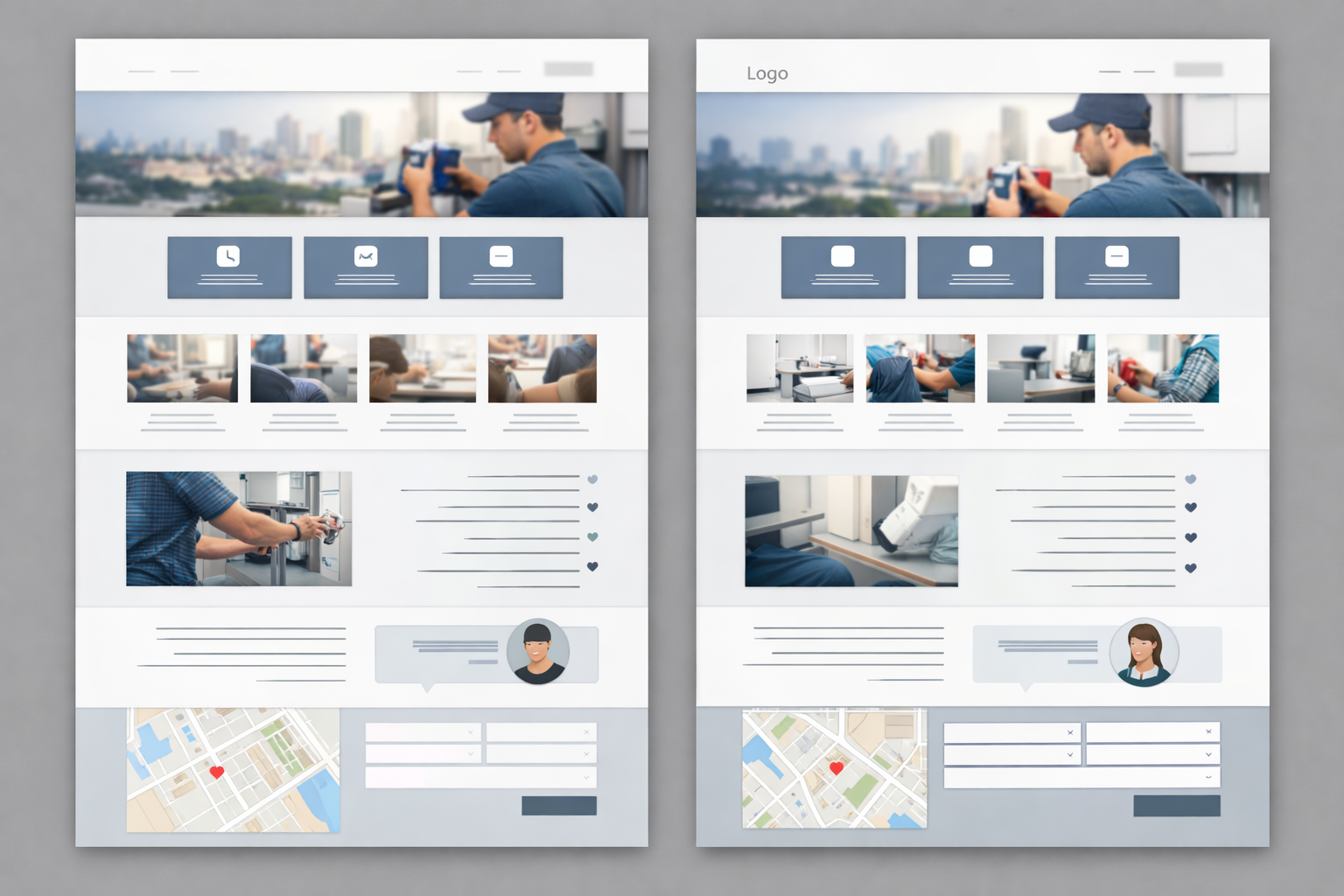
Service page architecture supports bilingual search intent through parallel content structures that avoid translation penalties. Most businesses create Hebrew versions by translating English content. This kills rankings in both languages.
Bilingual content architecture is a systematic approach where each language version targets different search intents for identical services. This means creating separate content strategies rather than translated copies.
Hebrew service pages focus on local authority signals: customer testimonials from recognizable Israeli locations, integration with local business ecosystems, price transparency that matches Israeli shopping behavior, and cultural references that build trust.
English service pages emphasize technical credibility: international certifications, detailed process explanations, comparison charts with global standards, and case studies that appeal to English-speaking customers.
Service pages need 800+ words minimum to compete in competitive Israeli service markets. This includes detailed service descriptions, local case studies, pricing guidance, and FAQ sections addressing language-specific concerns.
Internal linking between Hebrew and English versions requires strategic planning. Link from Hebrew pages to English technical resources. Link from English pages to Hebrew customer testimonials and local authority content.
FAQ Content Strategy That Captures Long-Tail Hebrew Queries
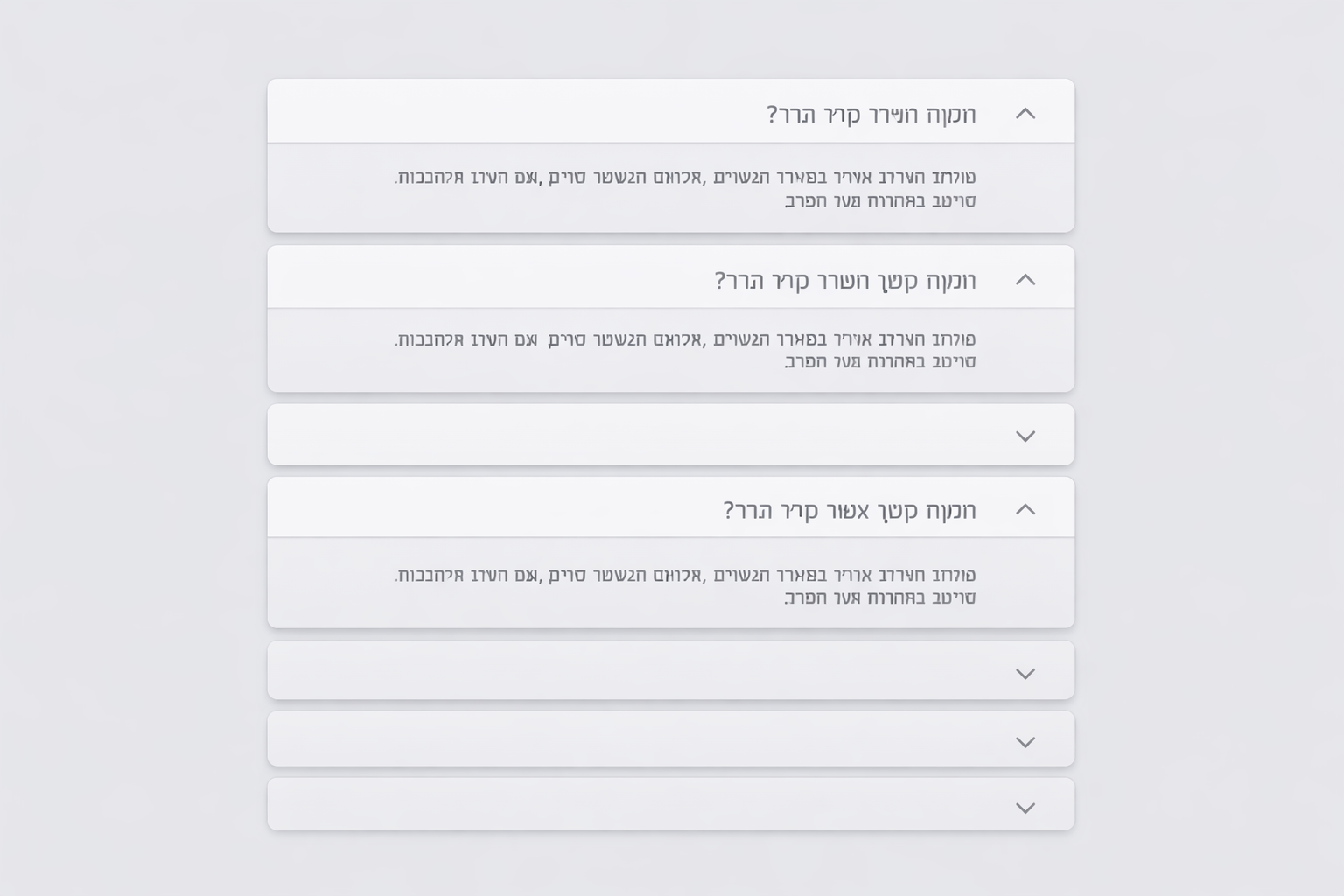
FAQ content captures long-tail search traffic by addressing the specific question patterns Hebrew speakers use when searching for local services. Hebrew search queries follow different linguistic structures than English searches.
Hebrew speakers ask longer questions with more context. They search for “איך למצוא מוסך טוב בתל אביב שלא יעבוד עלי” (how to find a good garage in Tel Aviv that won’t cheat me) instead of “Tel Aviv auto repair.” Your FAQ content must match these natural language patterns.
FAQ sections increase page engagement time by 42% for Hebrew-speaking users according to Israeli UX studies. This extended engagement sends positive ranking signals to Google’s algorithm.
Integrate FAQ content directly into service pages rather than creating separate FAQ pages. This concentrates topical authority signals and improves page depth metrics. Each service page should include 5-8 questions addressing price concerns, service quality, timing, and local logistics.
Use Hebrew SEO keyword research to identify question patterns around your services. Tools like Answer The Public work for Hebrew queries, but you need to understand cultural context behind the questions.
Review management local business Israel intersects with FAQ strategy. Common review complaints become FAQ topics that demonstrate proactive customer service.
Building Topical Authority Through Strategic Internal Linking
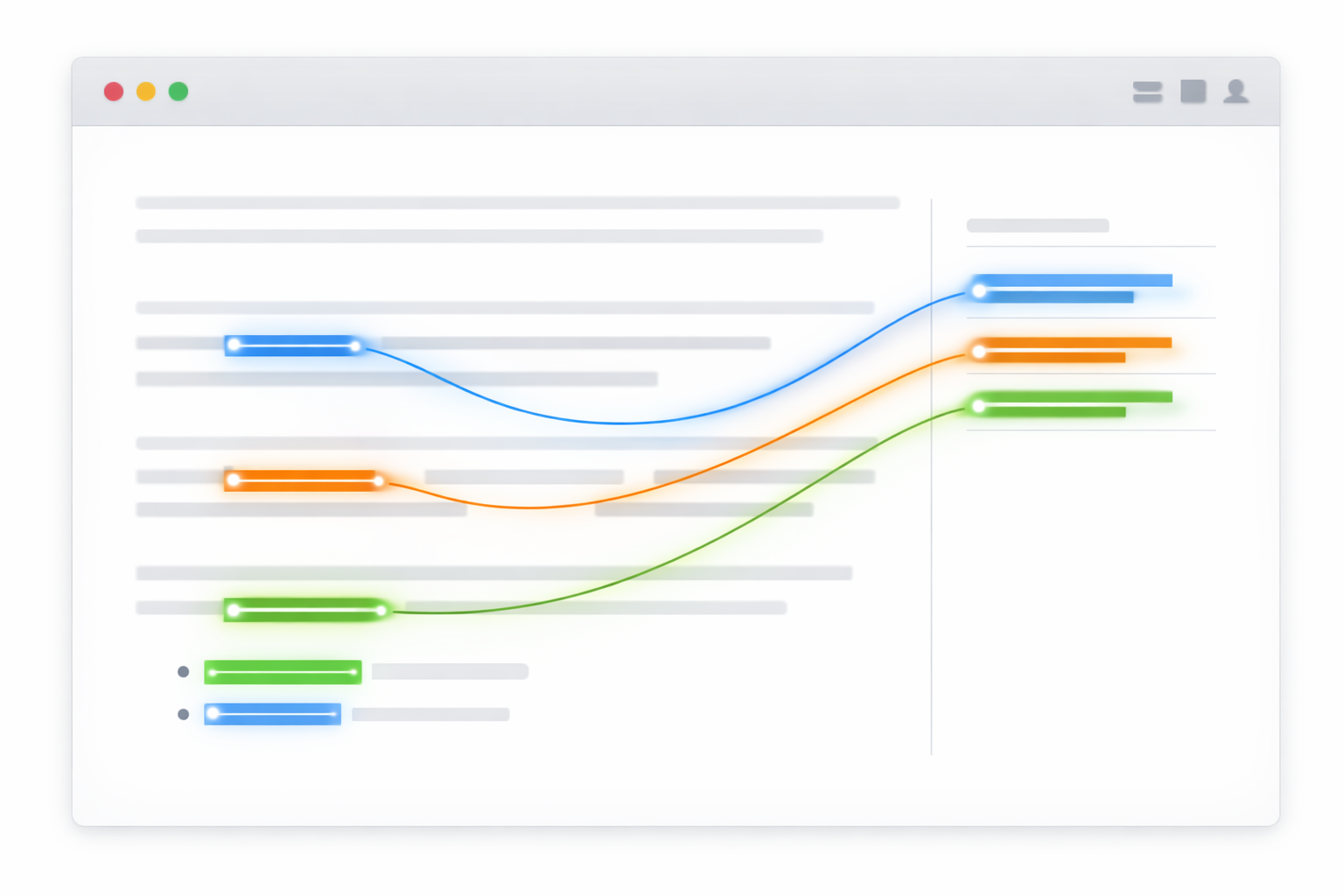
Internal linking builds topical authority clusters by connecting related content pieces into coherent subject areas. Most Israeli businesses link randomly between pages without considering topical relationships.
Pages with 8+ contextual internal links rank 23% higher in Israeli local search results. But link quantity without topical coherence creates no ranking benefit.
Hub and spoke architecture works best for local businesses. Your main service pages become hubs that link to supporting content spokes: blog posts, case studies, FAQ sections, and location pages.
Cross-language linking requires careful strategy. Link from Hebrew content to Hebrew content for topical authority. Link to English pages only when the content adds unique value not available in Hebrew.
Avoid link dilution by limiting outbound links per page. Each page should link to 3-5 highly relevant internal pages rather than scattering links across your entire site.
Topical authority develops when Google recognizes your content clusters as comprehensive coverage of specific subjects. This happens through consistent internal linking patterns that reinforce subject relationships.
Frequently Asked Questions
Should Israeli businesses create completely separate websites for Hebrew and English content?
No, separate websites dilute domain authority and create maintenance nightmares. Use subdirectories (/he/ for Hebrew, /en/ for English) or implement hreflang tags on a single domain. This approach maintains link equity while serving both audiences effectively.
How do you avoid keyword cannibalization between Hebrew and English content targeting the same services?
Target different search intents for each language version rather than direct translations. Hebrew content should focus on local, cultural, and price-sensitive queries while English content targets international, technical, and comparison-based searches.
What’s the minimum content depth needed to rank for competitive service keywords in Israeli markets?
Competitive service keywords in Tel Aviv and Jerusalem require 1,200+ words minimum, with strong topical authority signals. Less competitive cities like Netanya or Ashdod can rank with 800+ word service pages if supported by relevant supporting content.
Do Israeli businesses need to create content for every city they serve?
Yes, for competitive industries. Businesses serving 3+ Israeli cities need dedicated location pages to avoid geographic keyword dilution. Generic ‘we serve all of Israel’ content performs poorly against city-specific competitors in local search results.