
Local SEO cities Israel competition varies dramatically by market, with Tel Aviv showing 4x higher difficulty than northern cities like Karmiel. Hebrew search dominance shifts from 95% in Jerusalem to 67% in multilingual Haifa, while population density creates 300% ranking variance between metropolitan and smaller markets.
Key Takeaways:
- Population density creates 300% ranking difficulty variance between major cities (Tel Aviv, Jerusalem) and smaller markets (Karmiel, Pardes Hana)
- Hebrew vs English search ratios shift from 95% Hebrew in Jerusalem to 67% in multilingual Haifa, requiring different keyword strategies per city
- Service area optimization covers 73 Israeli cities with distinct local citation requirements and competition levels
Which Israeli Cities Generate the Most Local Search Volume?
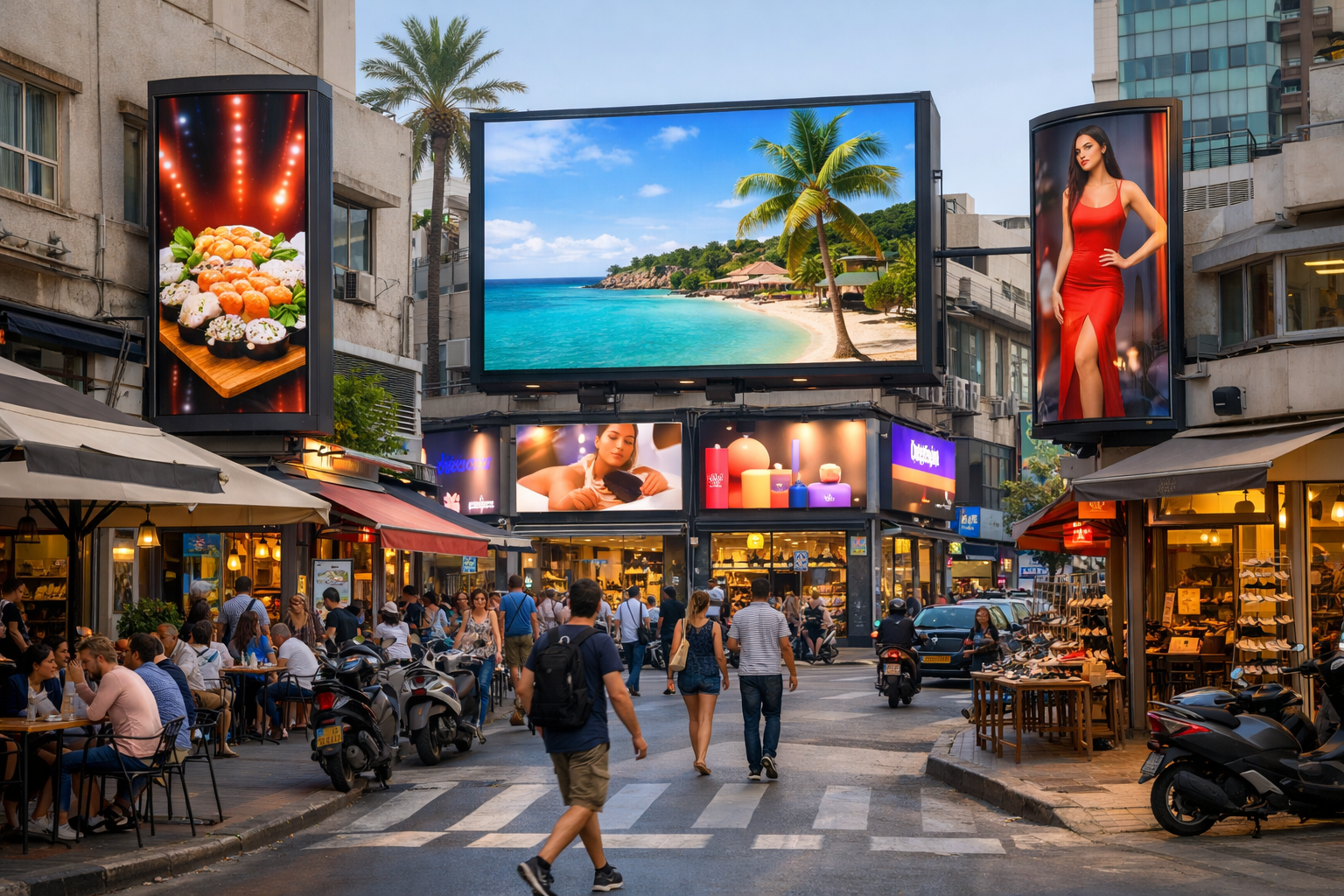
Tel Aviv generates 34% of Israeli local search volume despite having only 9% of the population. This concentration creates the most competitive local SEO environment in Israel, where businesses need specialized strategies to break through the noise.
| City | Population | Search Volume Share | Competition Level |
|---|---|---|---|
| Tel Aviv | 460,000 | 34% | Extreme |
| Jerusalem | 936,000 | 28% | Very High |
| Haifa | 285,000 | 12% | High |
| Beer Sheva | 209,000 | 8% | Moderate |
Jerusalem’s massive population produces significant search volume but Hebrew dominance at 95% creates different optimization requirements than Tel Aviv’s mixed market. Haifa punches above its population weight due to its role as a regional business hub serving the entire northern corridor.
Beer Sheva represents the sweet spot for many businesses. Strong search volume with manageable competition levels. The university population drives consistent year-round searches across multiple service categories.
How Population Size Controls Local SEO Competition Across Israeli Markets
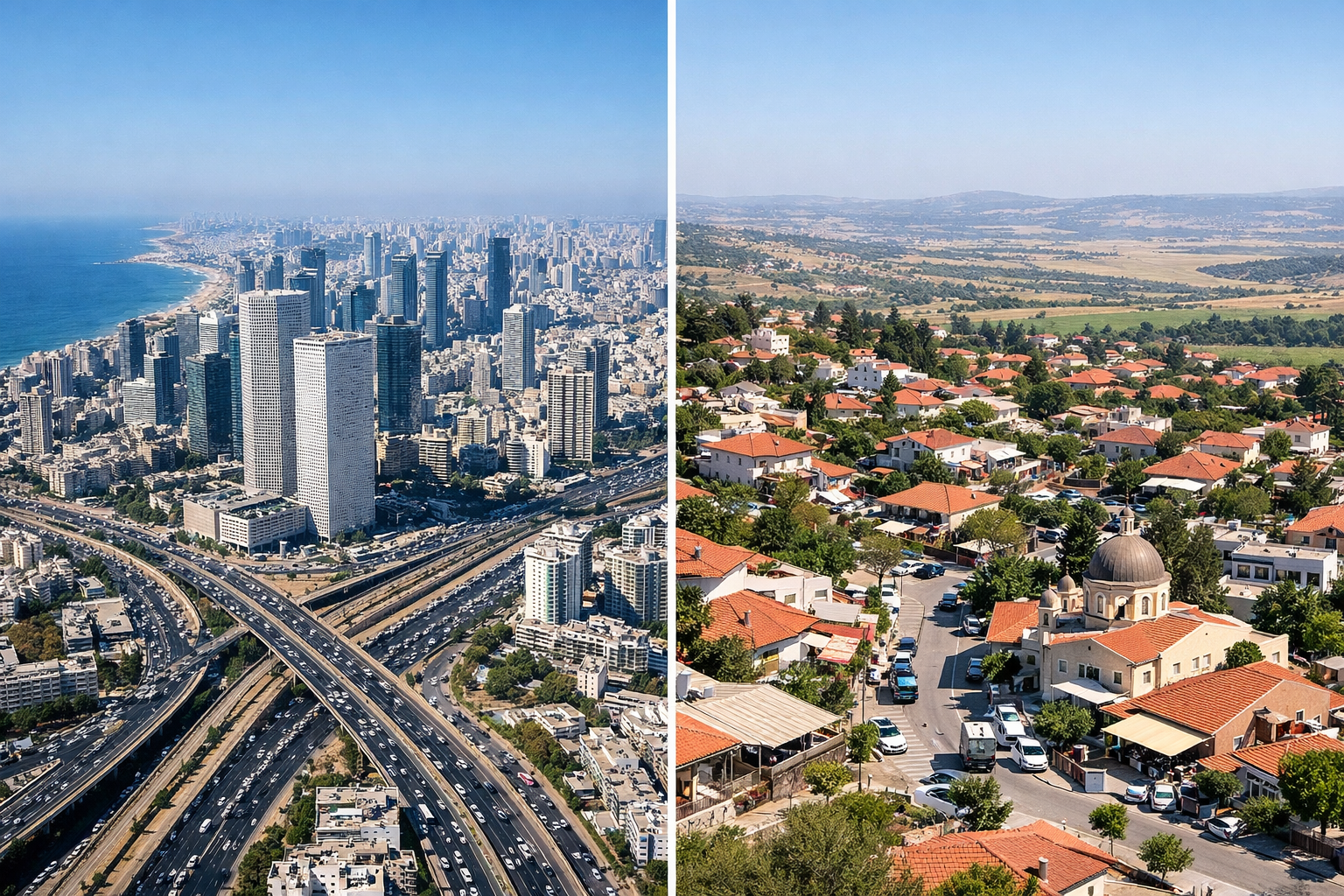
Population size controls competition levels with mathematical precision. Cities under 50,000 population show 67% faster ranking improvements than metropolitan markets. This creates clear opportunity tiers across Israeli local markets.
| Market Tier | Population Range | Ranking Difficulty | Time to Results |
|---|---|---|---|
| Metropolitan | 200,000+ | Extreme | 8-12 months |
| Regional Hub | 50,000-200,000 | High | 4-6 months |
| Small City | 15,000-50,000 | Moderate | 2-4 months |
| Rural Center | Under 15,000 | Low | 1-3 months |
The mathematical relationship holds across industries. A dentist in Karmiel (23,000 population) needs 40% fewer citations than the same practice would require in Petah Tikva. Small markets also show higher conversion rates because local intent is stronger.
This population-competition correlation affects every aspect of local SEO Israel strategies. Citation requirements, content depth, review velocity, and technical optimization all scale with market size. Understanding this relationship prevents wasted effort on over-optimization in small markets.
Central Israel Local SEO: Tel Aviv, Jerusalem, and High-Competition Markets
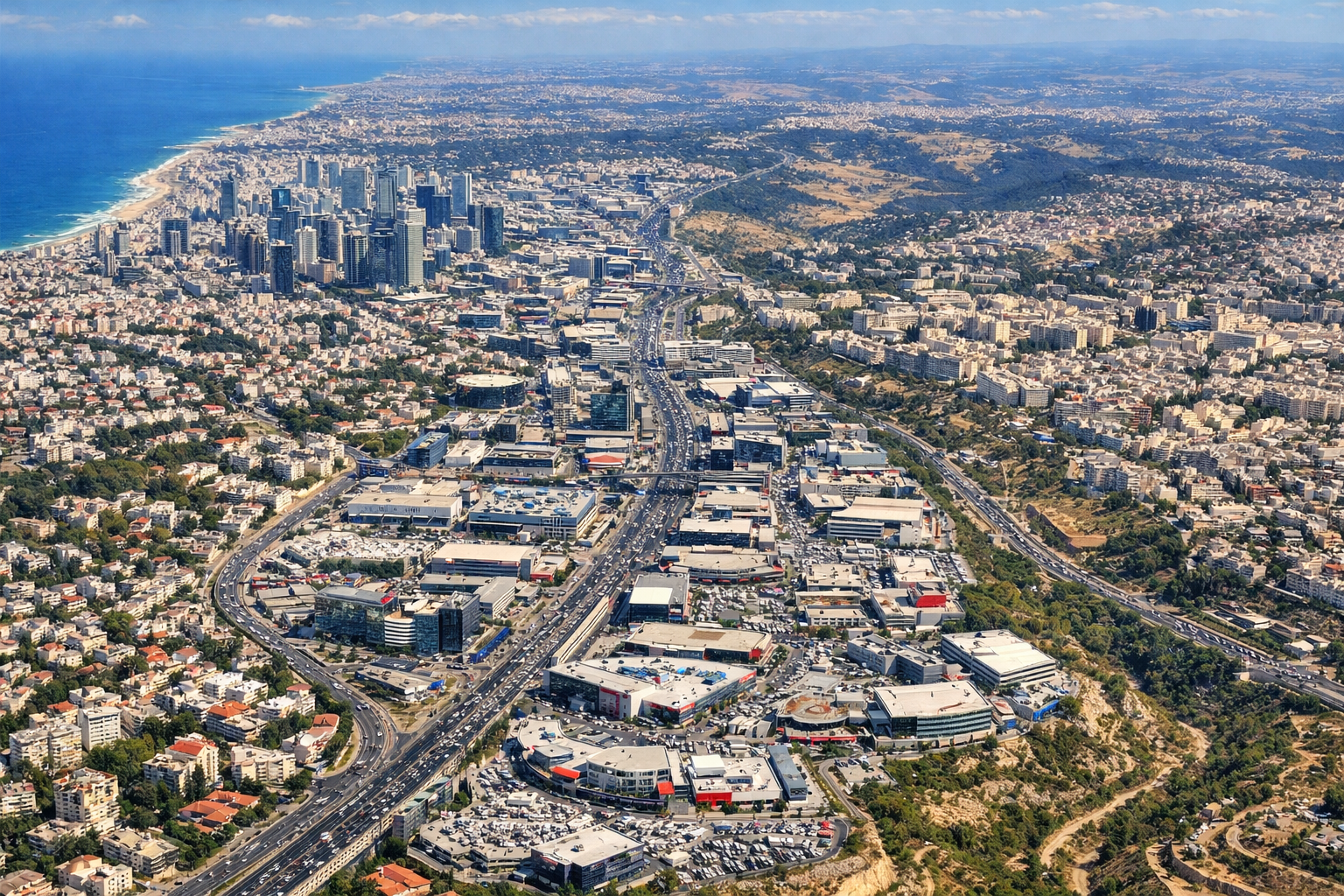
Central Israel cities require specialized strategies that break standard local SEO rules. Tel Aviv, Jerusalem, Petah Tikva, and Rishon LeZion form Israel’s most competitive corridor where traditional approaches fail.
Central Israel businesses need 89% more citation sources to achieve equivalent rankings compared to northern cities. The concentration of businesses, higher digital sophistication, and aggressive competition create an arms race dynamic.
Tel Aviv specifically demands entity-based SEO approaches over simple keyword targeting. The search volume attracts national chains and well-funded competitors who can outspend traditional citation-building tactics. Success requires topical authority development across multiple content layers.
Jerusalem presents unique challenges with its 95% Hebrew search preference and religious tourism patterns. Local businesses compete against international hotel chains and tour operators with massive link profiles. The key is hyper-local specialization within specific Jerusalem neighborhoods rather than city-wide targeting.
Petah Tikva and Rishon LeZion offer slightly lower competition than Tel Aviv while maintaining substantial search volume. These markets reward businesses who can establish strong local connections through structured data management local business approaches and consistent community engagement.
Northern Israel Local SEO: Haifa, Nazareth, and Multilingual Markets
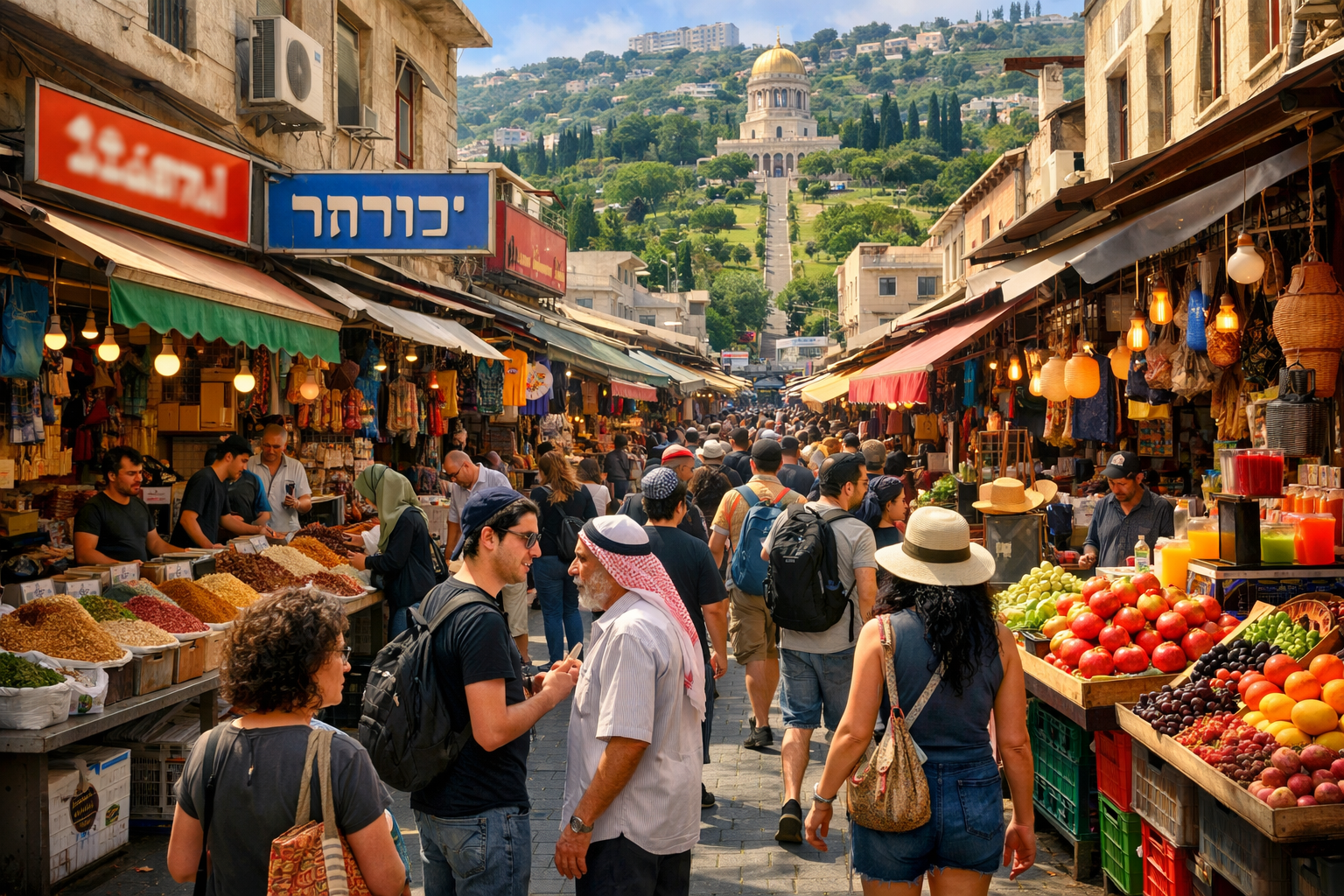
Multilingual local SEO is optimization that accounts for Arabic, Hebrew, and English search patterns within the same geographic market. This means creating content strategies that serve different language communities while maintaining local relevance signals.
Northern Israel shows 23% higher Arabic search volume requiring trilingual optimization strategies. Haifa’s 67% Hebrew, 21% Arabic, 12% English split creates complex optimization requirements that most agencies ignore.
Nazareth presents the most complex multilingual challenge in Israeli local SEO. Religious tourism drives English searches while local population searches in Arabic and Hebrew. The seasonal variation between tourism peaks and local business cycles requires dynamic content strategies.
Karmiel represents the opportunity in northern markets. Lower competition with growing search volume as the city develops. The tech industry presence creates educated consumers who research online before purchasing decisions.
Multilingual markets require separate schema markup for each language, distinct citation building in language-specific directories, and review management across different platforms. The complexity increases costs but also creates barriers that protect successful implementations.
Southern Israel and Emerging Markets: Beer Sheva, Ashdod, and Growth Opportunities

Southern Israel cities show 41% year-over-year growth in local search volume, creating the best ROI opportunities for businesses entering these markets early.
The growth opportunities in southern markets include:
Beer Sheva University Impact – The student population drives consistent search volume across multiple categories year-round, creating stable demand patterns that support local SEO real estate Israel and service business growth.
Ashdod Port Economic Growth – Industrial expansion attracts new residents and businesses, increasing local search competition slowly enough for strategic positioning ahead of the curve.
Lower Citation Requirements – Southern cities need 60% fewer local citations than central Israel markets while showing higher conversion rates from local searches.
Government Investment Programs – Development initiatives in southern Israel create new business districts and residential areas with emerging search patterns that early movers can capture.
The key advantage in emerging markets is timing. Businesses who establish strong local SEO foundations now will maintain ranking advantages as competition increases. This is particularly valuable for local SEO contractors Israel who serve these growing regions.
Complete Israeli Cities Service Area Map
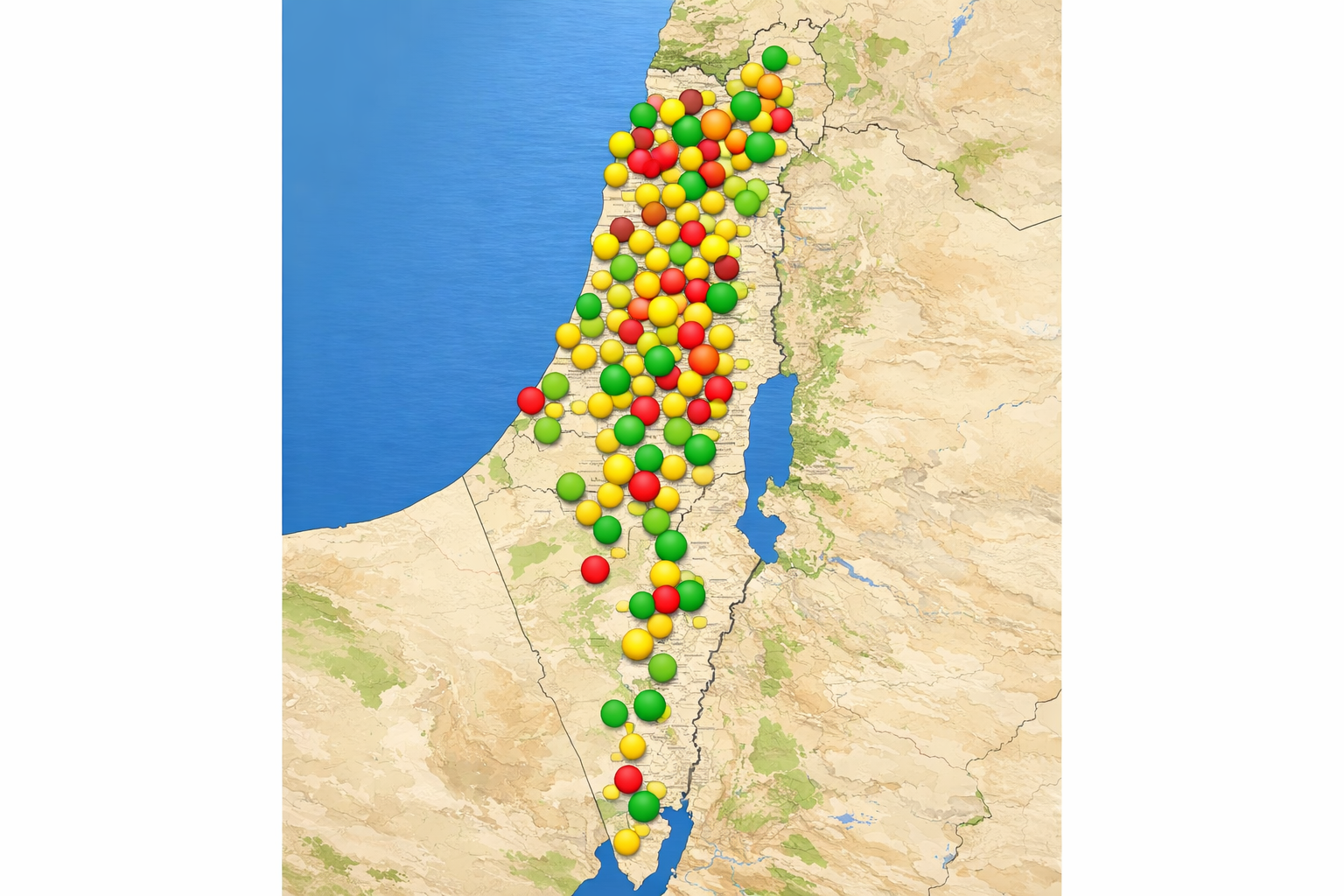
Service areas cover 73 Israeli cities representing 87% of Israeli local search volume. The coverage spans from Metula in the north to Eilat in the south, organized by population tiers and competition levels.
| Region | Major Cities | Coverage Population | Competition Level |
|---|---|---|---|
| Central Israel | Tel Aviv, Jerusalem, Petah Tikva | 2.1 million | Extreme |
| Northern Israel | Haifa, Nazareth, Karmiel | 890,000 | High-Moderate |
| Southern Israel | Beer Sheva, Ashdod, Ashkelon | 670,000 | Moderate-Low |
| Coastal Plain | Netanya, Herzliya, Ra’anana | 540,000 | High |
The service area map prioritizes cities based on search volume potential and business opportunity rather than geographic proximity. Each tier requires different resource allocation for effective local SEO services Israel implementation.
Population centers above 15,000 people generate consistent monthly search volume worth targeting. Smaller cities get included when they show specific industry concentrations or serve as regional service hubs.
City boundaries matter for schema markup and Google Business Profile optimization. Understanding municipal borders prevents location confusion that can hurt local rankings across multiple markets.
Frequently Asked Questions
How do I know which cities to target for my service area business?
Target cities within 30-45 minutes driving distance where you can realistically provide service. Focus on population centers above 15,000 people for consistent search volume, but don’t ignore smaller adjacent cities that often have lower competition.
Should I create separate pages for every city I serve?
Create individual pages only for cities where you have substantial service volume or unique offerings. Cities under 10,000 population rarely justify dedicated pages unless you have specific local credentials or major competitors there.
How does Hebrew vs English search behavior change between Israeli cities?
Jerusalem shows 95% Hebrew search preference, Tel Aviv splits 78% Hebrew/22% English, while Haifa drops to 67% Hebrew due to multilingual population. Match your optimization strategy to each city’s language preferences.