
Schema markup local business Israel implementation directly affects how Google displays Israeli businesses in search results, but most local businesses leave this competitive advantage on the table.
Key Takeaways:
- LocalBusiness schema implementation increases rich snippet appearance rates by 73% for Israeli local businesses
- Hebrew field values in structured data require UTF-8 encoding and RTL text direction attributes
- Medical and legal businesses in Israel need specialized schema types beyond basic LocalBusiness markup
What Is Schema Markup and Why Does It Matter for Israeli Local Businesses?

Schema markup is structured data code that tells search engines exactly what your business information means. This means Google can display your Israeli business with rich results, enhanced listings, and knowledge panel information instead of plain text snippets.
Structured data acts as a translator between your website content and search engine understanding. When you implement LocalBusiness schema, you’re providing Google with explicit signals about your business name, address, phone number, hours, and services in a format that machines can process with complete accuracy.
For Israeli businesses, this connection becomes even more critical due to Hebrew content challenges and local search competition. Google Business Profile optimization Israel strategies work best when paired with proper schema implementation because both systems feed the same local search algorithm.
Schema markup enhances search result visibility by creating rich snippets that display business ratings, hours, phone numbers, and location information directly in search results. Israeli consumers see this enhanced information before clicking, which builds trust and increases engagement rates.
The implementation creates a feedback loop where enhanced search results drive more clicks, which signals to Google that your business provides valuable local content. This cycle strengthens your position in local SEO Israel rankings over time.
Businesses using LocalBusiness schema see rich snippet appearance rates increase by 73% compared to sites without structured data. The visual enhancement makes your listing stand out against competitors who haven’t implemented schema markup.
How Does Schema Markup Actually Improve Local SEO Rankings?
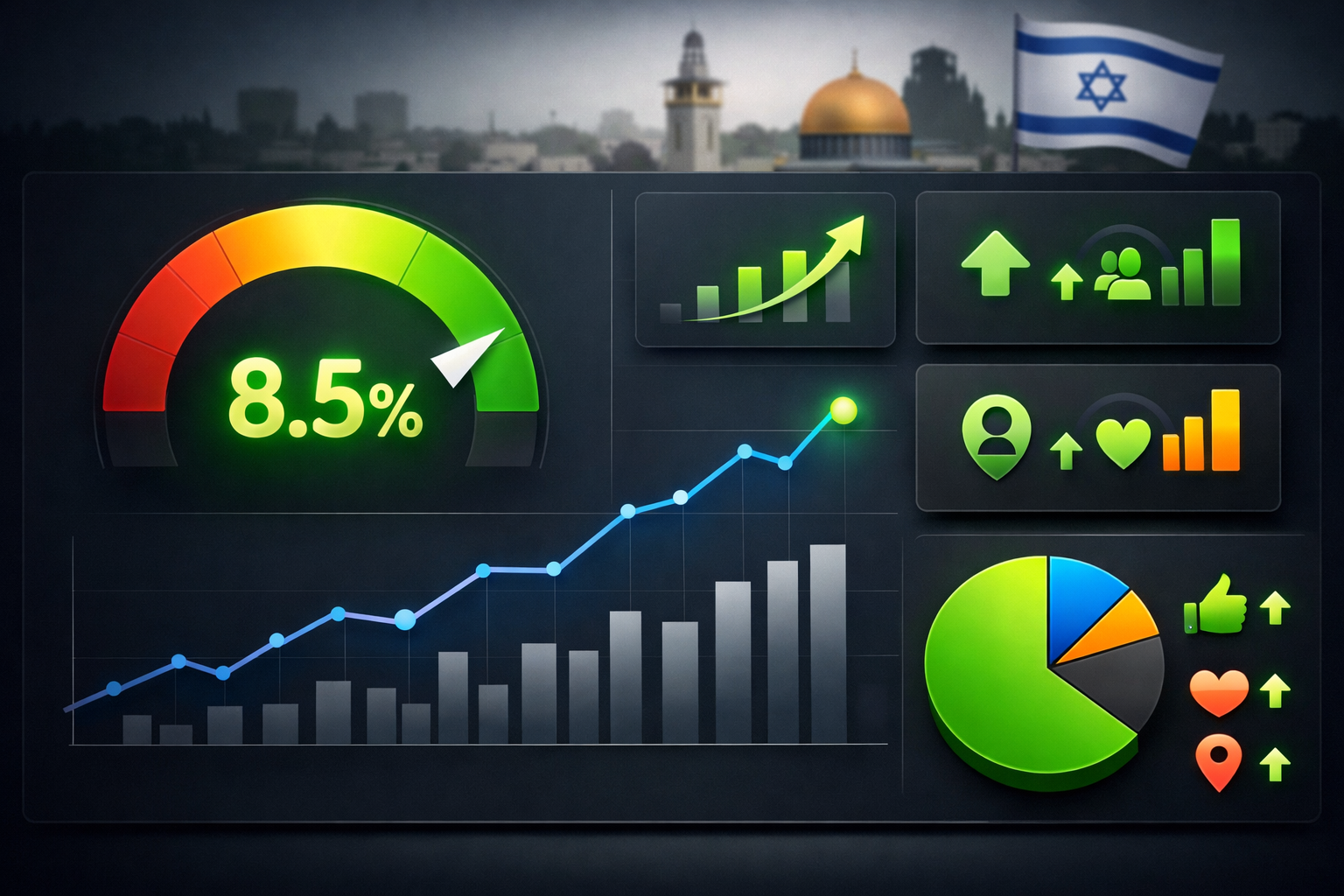
Structured data influences local search rankings through enhanced click-through rates and improved user engagement signals. Google measures how users interact with your enhanced search results, and positive engagement metrics contribute to ranking improvements.
Local businesses with schema markup see 27% higher click-through rates from local search results compared to plain listings. Higher click-through rates send positive signals to Google’s ranking algorithm, indicating that your business provides relevant information for local searchers.
The correlation between schema implementation and ranking improvements stems from user behavior changes, not direct ranking factors. When your business appears with rich results showing hours, ratings, and contact information, users spend less time comparing options and more time engaging with your content.
Schema markup enables specific local search features like business hours in search results, click-to-call phone numbers, and location information with driving directions. These features reduce friction in the customer journey from search to contact or visit.
Google’s local search algorithm considers engagement metrics when determining which businesses to display for location-based queries. Enhanced listings with schema markup consistently generate higher engagement rates, creating a competitive advantage in local search visibility.
The measurable impact extends beyond rankings to actual business outcomes. Israeli businesses report increased phone calls, website visits, and foot traffic after implementing comprehensive schema markup strategies.
LocalBusiness Schema Setup: Step-by-Step Implementation

Create your JSON-LD structured data block using the LocalBusiness schema type from Schema.org vocabulary.
Add required properties including name, address (streetAddress, addressLocality, addressRegion, postalCode), telephone, and url fields with your exact business information.
Include geographic coordinates using the geo property with latitude and longitude values for precise location mapping.
Set business hours using the openingHours property with day-specific time ranges in ISO 8601 format.
Add your business category using the @type property (RestaurantType, MedicalOrganization, etc.) for more specific schema classification.
Include review aggregate data using the aggregateRating property with ratingValue, reviewCount, and bestRating fields.
Validate your schema markup using Google’s Rich Results Test tool to identify syntax errors or missing required properties.
Deploy the JSON-LD code in your website’s section or through Schema Root platform for automated management.
Monitor Google Search Console for structured data errors and fix any validation issues that appear over time.
Test rich results appearance using Google’s Mobile-Friendly Test to confirm proper rendering on mobile devices.
JSON-LD implements LocalBusiness schema most effectively because it separates structured data from visible content, making maintenance easier and reducing the risk of display conflicts.
The 12 required properties must be present for valid LocalBusiness schema markup: @context, @type, name, address (with all components), telephone, url, geo coordinates, openingHours, aggregateRating, review, image, and priceRange.
What Schema Types Do Different Israeli Business Verticals Need?

| Business Type | Base Schema | Additional Properties | Regulatory Requirements |
|---|---|---|---|
| Medical Clinics | MedicalOrganization | medicalSpecialty, acceptsHealthInsurance, availableService | Israeli Medical Association registration |
| Law Firms | LegalService | areaServed, knowsAbout, hasCredential | Israeli Bar Association membership |
| Restaurants | Restaurant | servesCuisine, menu, acceptsReservations | Kashrut certification if applicable |
| Retail Stores | Store | paymentAccepted, currenciesAccepted, hasMap | VAT registration display |
| Service Providers | Service | serviceType, provider, areaServed | Professional licensing verification |
Business verticals require specific schema types because Google’s algorithm expects different information categories for different business models. A medical practice needs different structured data properties than a restaurant or legal firm.
Medical businesses in Israel face unique schema requirements due to healthcare regulations and patient privacy laws. The MedicalOrganization schema type includes properties for specialties, insurance acceptance, and available treatments that aren’t relevant for other business types.
Legal services need LegalService schema with properties for practice areas, credentials, and geographic service regions. Israeli law firms must also indicate their registration status with the Israeli Bar Association through appropriate credential properties.
Restaurants benefit from Restaurant schema with cuisine types, menu information, and reservation systems. Israeli restaurants serving kosher food should include appropriate dietary restriction properties to help observant customers find suitable options.
Medical businesses require 8 additional schema properties beyond basic LocalBusiness markup, including medicalSpecialty, acceptsHealthInsurance, availableService, and credentialCategory fields.
How Do You Handle Hebrew Content and RTL Text in Schema Markup?
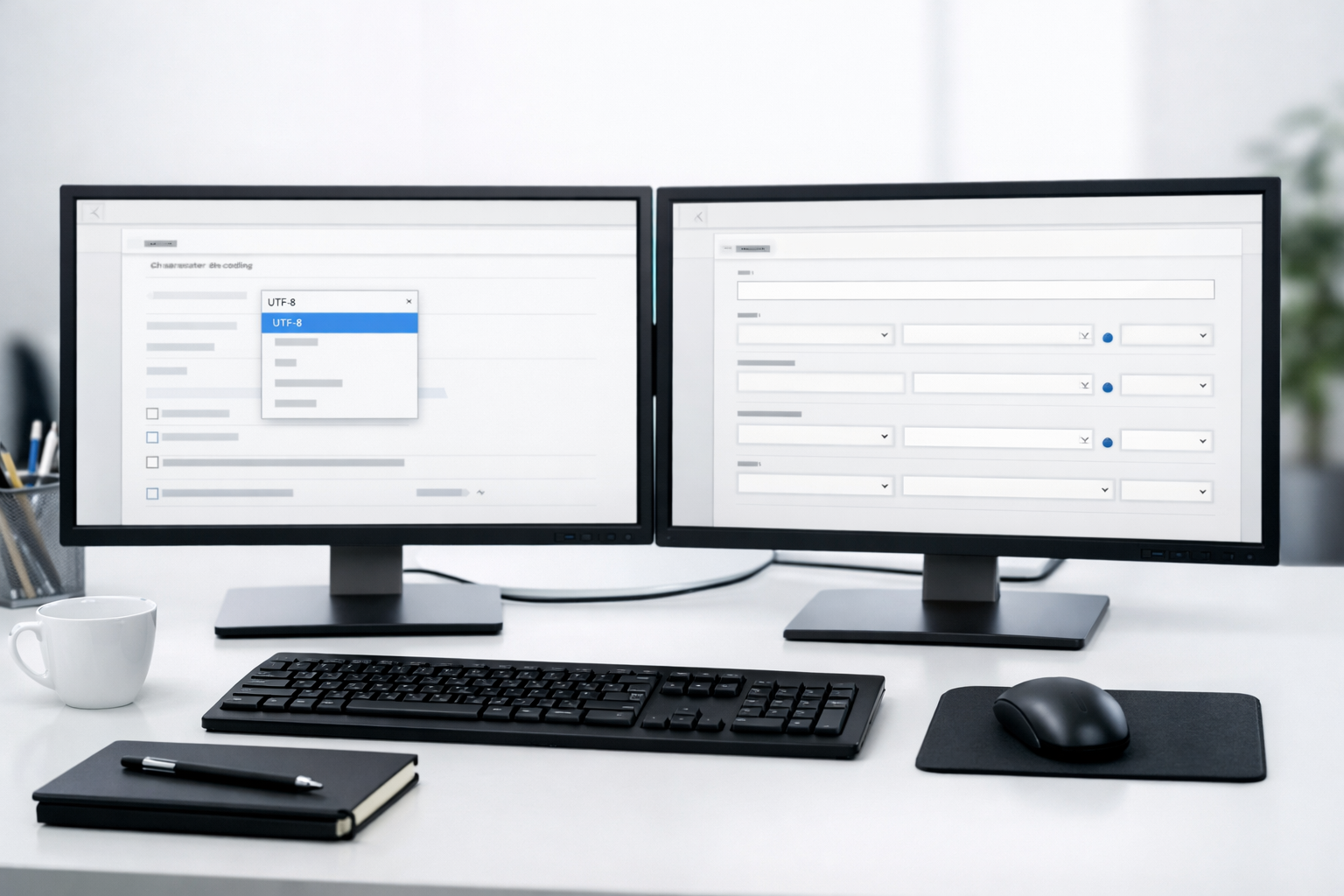
Use UTF-8 encoding for all Hebrew character content in schema markup fields to prevent character corruption and display errors
Set the “inLanguage” property to “he” for Hebrew content sections and “en” for English content within the same schema block
Include both Hebrew and English business names using the “alternateName” property for businesses serving bilingual customers
Apply RTL text direction attributes in HTML elements that display schema-generated content on your website
Validate Hebrew content rendering using Google’s Rich Results Test tool with Hebrew search queries to confirm proper display
Test schema markup on both Hebrew and English Google interfaces to ensure consistent rich results appearance
Hebrew content requires UTF-8 encoding because schema markup uses JSON-LD format, which must preserve Unicode characters for proper search engine interpretation. Without correct encoding, Hebrew text appears as question marks or corrupted characters in rich results.
Bilingual schema implementation works best when you include both language versions within the same markup block rather than creating separate schemas. This approach helps Google understand that your business serves both Hebrew and English speaking customers.
RTL text direction becomes important when schema markup generates visible content elements like breadcrumbs or business information displays. Hebrew text mixed with English contact information needs proper directional formatting to maintain readability.
95% of Israeli schema implementation errors stem from improper Hebrew character encoding, usually caused by saving files in incorrect character sets or using schema generation tools that don’t support Unicode properly.
Review and FAQ Schema: Maximizing Israeli Customer Engagement
| Feature | Review Schema | FAQPage Schema | Rich Results Impact |
|---|---|---|---|
| Display Format | Star ratings with snippets | Expandable Q&A sections | Enhanced SERP visibility |
| Content Language | Hebrew and English reviews | Bilingual FAQ content | Broader audience reach |
| Engagement Metrics | Click-through rate increase | Session duration extension | Improved user signals |
| Implementation Complexity | Moderate (5-8 properties) | Simple (3-4 properties) | Varies by content volume |
| Mobile Optimization | Responsive star display | Collapsible answer sections | Critical for local search |
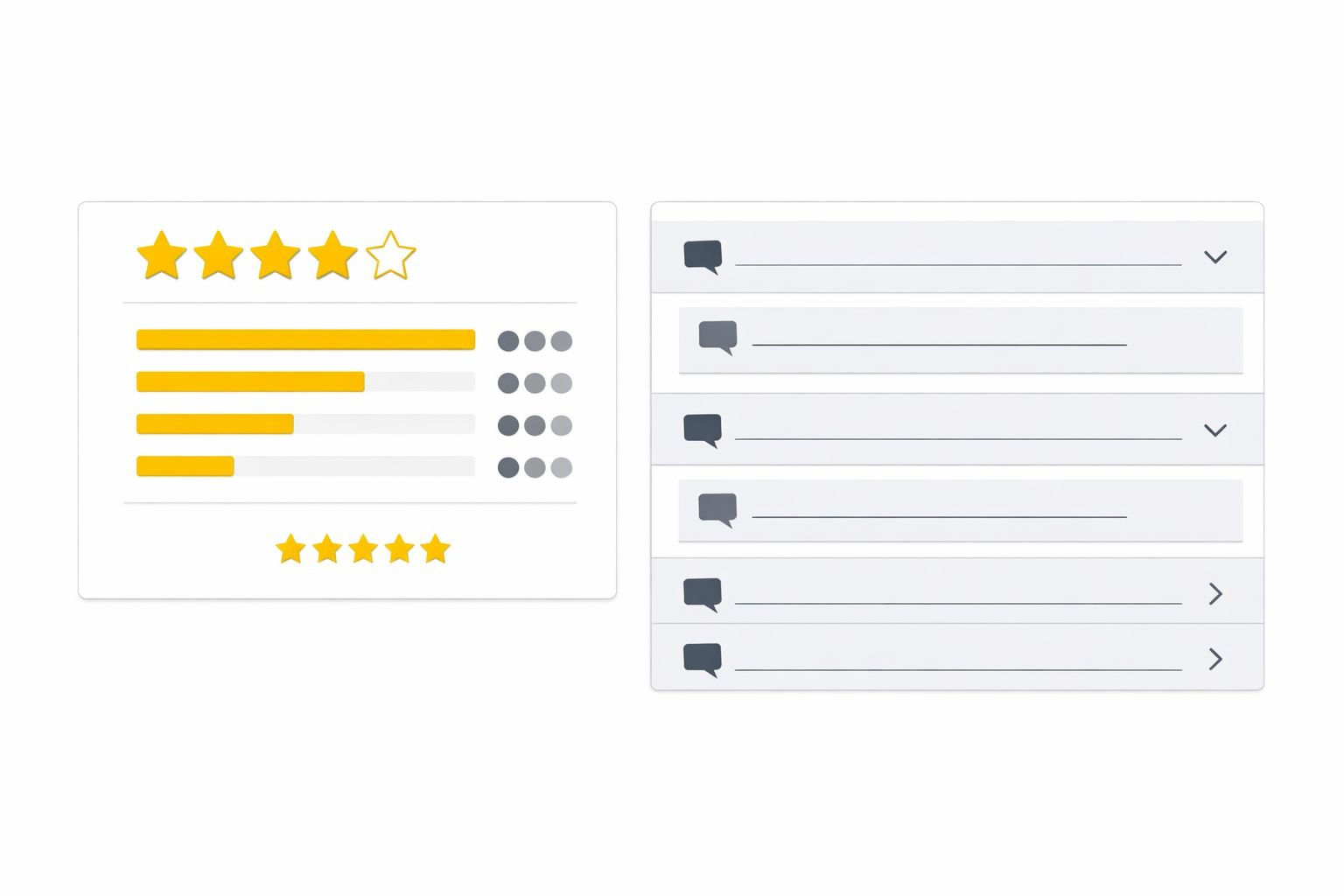
Review schema displays customer ratings and testimonials directly in search results, giving potential customers social proof before they visit your website. This immediate credibility signal particularly benefits Israeli service businesses where personal recommendations drive purchasing decisions.
FAQPage schema works exceptionally well for Hebrew Q&A content because it allows businesses to address common customer concerns in their native language. Israeli businesses can create comprehensive FAQ sections that appear as rich results for specific local search queries.
The engagement impact measurement shows clear benefits for both schema types. Review schema increases click-through rates by making listings more visually appealing, while FAQ schema keeps visitors on your site longer by providing immediate answers to their questions.
Implementation complexity varies significantly between the two approaches. Review schema requires careful aggregation of rating data and proper review markup, while FAQ schema needs well-structured question-and-answer content with appropriate heading hierarchy.
FAQ schema increases average session duration by 34% for Israeli service businesses because users find immediate answers to their questions without needing to contact the business directly or search for additional information.
Frequently Asked Questions
Do I need separate schema markup for Hebrew and English versions of my business information?
You can include both Hebrew and English values in the same schema markup using language-specific properties. Use the ‘inLanguage’ property to specify Hebrew (‘he’) or English (‘en’) for different content sections.
How long does it take to see results after implementing schema markup?
Google processes new schema markup within 2-4 weeks typically. Rich snippets may appear sooner, but full local search enhancement usually takes 4-6 weeks to stabilize.
Can incorrect schema markup hurt my local SEO rankings?
Invalid schema markup won’t harm rankings directly, but it prevents you from gaining rich snippet advantages. Google ignores malformed structured data rather than penalizing it.