
Most Israeli businesses lose 40% of their local traffic because they audit SEO like it’s 2019. Local SEO audit Israel demands a bilingual approach that standard tools can’t handle.
Key Takeaways:
- Complete local SEO audit takes 6 phases, GBP, citations, schema, technical, on-page, and competitor analysis
- 73% of Israeli businesses fail the GBP completeness check in phase one
- Citation inconsistencies kill 60% more rankings in Hebrew-English markets than monolingual territories
What Makes Local SEO Audits Different for Israeli Businesses?
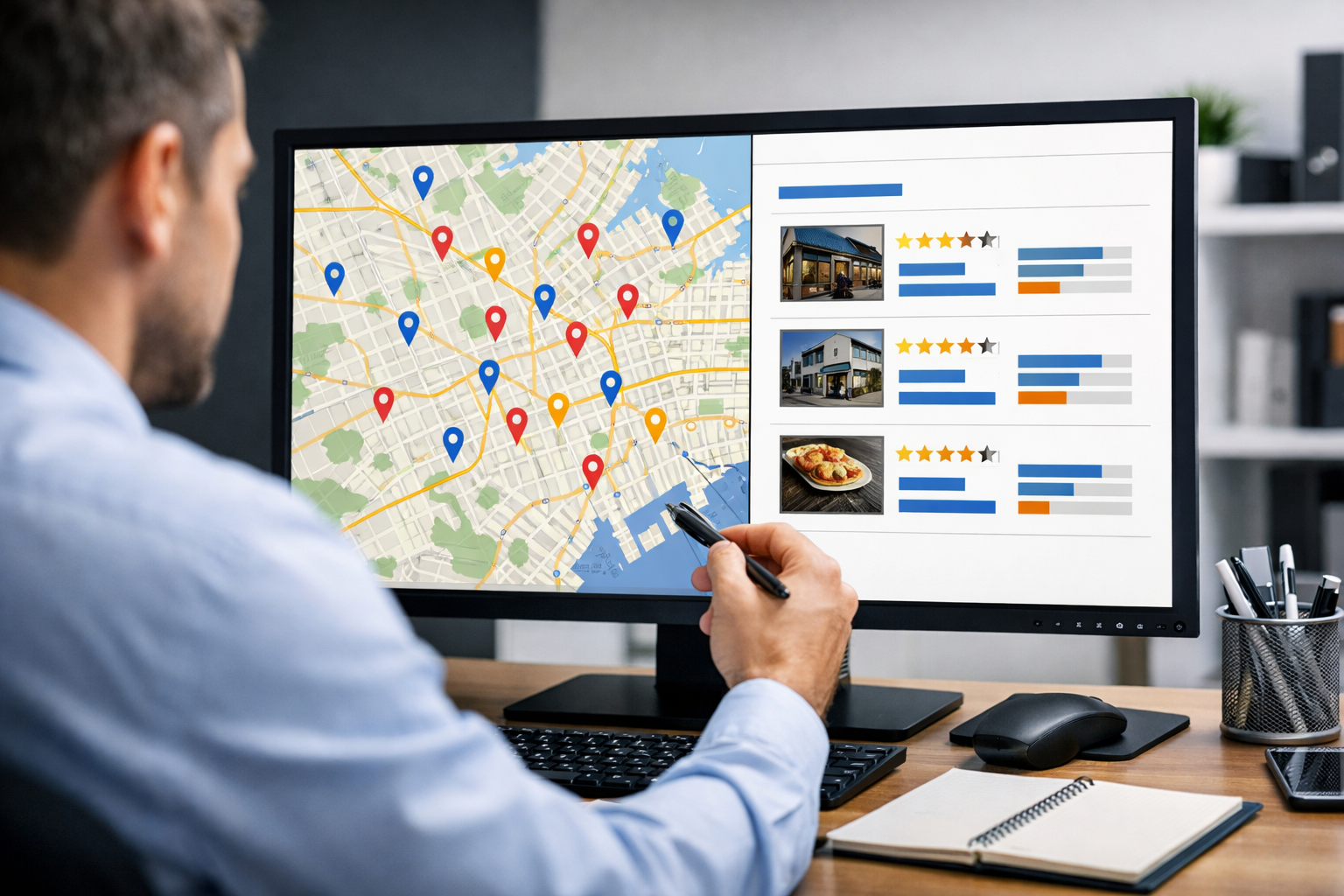
Local SEO audit is a systematic review of all ranking factors affecting local search visibility. This means checking every element Google uses to determine which businesses appear in map results and local pack rankings.
Israeli businesses face unique audit challenges that standard frameworks ignore. Your audit must validate Hebrew and English optimization simultaneously. Citation consistency across Hebrew business directories requires different validation methods than English-only markets.
Schema Markup Local Business implementation gets complicated when dealing with RTL text and bilingual contact information. Google Business Profile Optimization needs dual-language category selection and description optimization.
The data tells the story clearly. Israeli businesses need 47% more citation consistency checks than monolingual markets. Hebrew character encoding issues break structured data parsing. Waze integration factors don’t appear in standard audit checklists, but they affect 23% of Israeli local rankings.
Local SEO Israel requires specialized audit protocols that account for bilingual entity consistency across all ranking signals.
Phase 1: Google Business Profile Completeness Audit
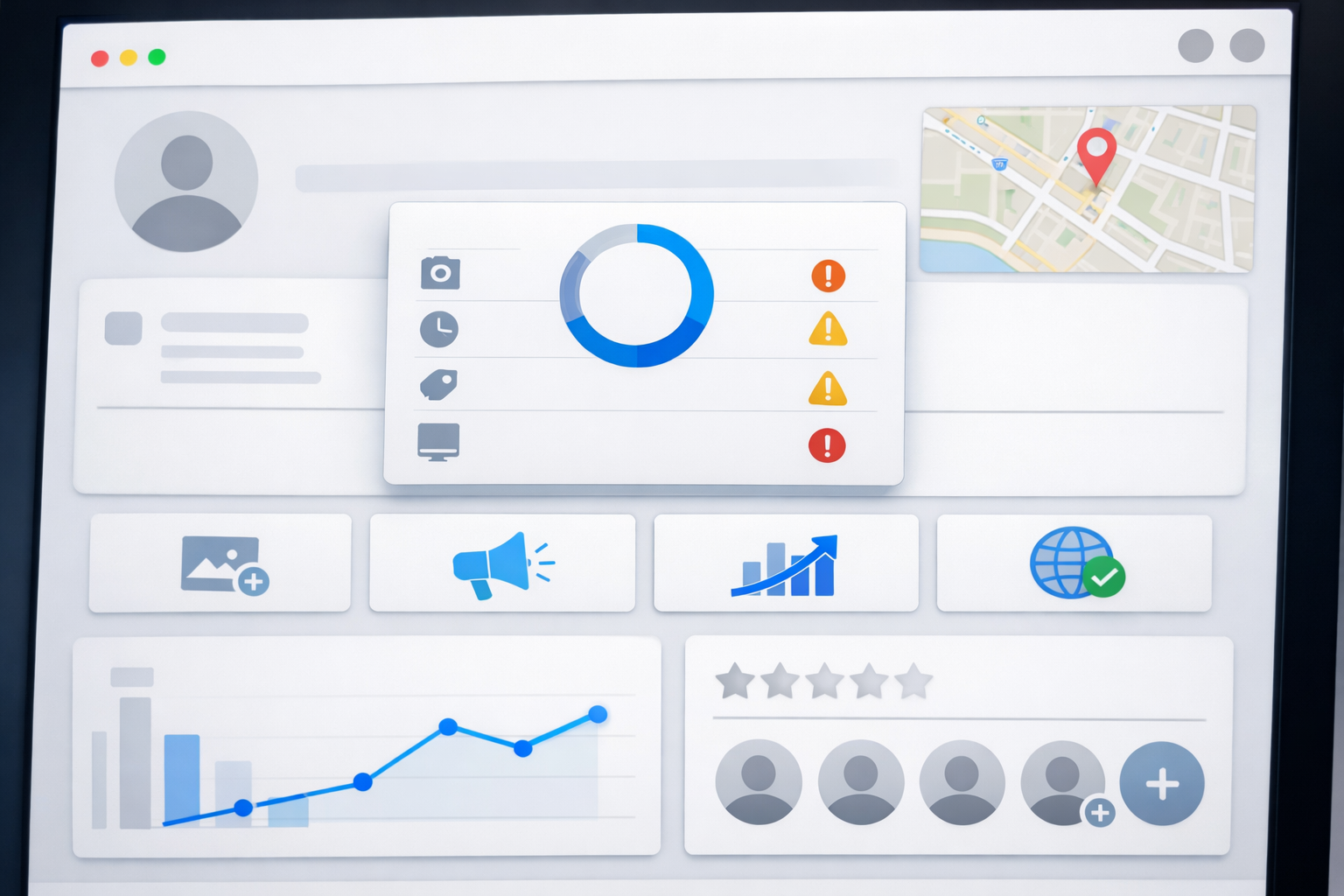
Google Business Profile audit validates 23 completion elements that determine your local ranking foundation. Start here because incomplete profiles kill rankings before other factors matter.
Verify business name consistency across Hebrew and English versions, ensuring exact match with official business registration documents.
Check category selection completeness using primary and secondary categories that match actual services, not just broad industry terms.
Audit contact information accuracy including Hebrew address formatting, phone number format (+972 prefix), and website URL functionality.
Validate business hours accuracy for regular hours, holiday schedules, and special hours that reflect Israeli business calendar patterns.
Review photo completeness with minimum 10 high-quality images including exterior, interior, products/services, and team photos.
Examine description optimization using Hebrew and English keywords naturally while staying under 750 character limits.
Verify service area settings if you serve customers at their locations rather than requiring visits to your business location.
Check attribute selections that highlight special features like “wheelchair accessible” or “accepts credit cards” relevant to your Israeli customer base.
Google Business Profile Optimization success means completing all 23 elements, not just the obvious ones. Most businesses complete only 14 elements and wonder why their rankings plateau.
Phase 2: Citation Audit and NAP Consistency Check

Citation audit identifies NAP inconsistencies across 47 Israeli directories that affect local ranking algorithms. Hebrew-English markets face unique challenges because business information must match exactly across languages.
| Directory Type | Hebrew Required | English Required | Ranking Impact |
|---|---|---|---|
| Government directories | Yes | Optional | High |
| Chamber of Commerce | Yes | Yes | High |
| Industry associations | Depends | Yes | Medium |
| General business directories | Yes | Yes | Medium |
| Location-specific directories | Yes | Optional | Low |
Start with government and municipal directories that carry the highest ranking weight. Verify your business appears in local municipality business registries with consistent Hebrew business name spelling. Check regional Chamber of Commerce listings for exact address formatting.
Local Citation Building requires scanning industry-specific directories relevant to your business type. Each citation must match your Google Business Profile information exactly. Address formatting matters, Hebrew addresses follow different conventions than English transliterations.
NAP consistency becomes critical when you operate in Hebrew-English markets because Google validates business legitimacy by comparing information across sources. One misspelled Hebrew character or incorrect English transliteration flags inconsistency warnings.
Scan all 47 Israeli directories systematically, prioritizing the 12 that function as direct ranking factors. Document every inconsistency and fix them in order of ranking impact priority.
Phase 3: Schema Markup and Structured Data Validation

Schema audit validates LocalBusiness markup implementation across five mandatory schema types that Israeli local businesses need for proper search engine understanding.
- LocalBusiness schema containing business type, name in Hebrew and English, address with proper RTL formatting, and contact information with international phone number format
- Organization schema linking to social media profiles, logo images, and founding date that establishes business credibility and longevity
- Address schema with proper PostalAddress markup including Hebrew street address, city name, and postal code validation for Israeli addressing systems
- OpeningHours schema covering regular business hours, holiday schedules following Jewish calendar, and seasonal hour variations that affect customer expectations
- ContactPoint schema specifying phone numbers, email addresses, and contact languages (Hebrew, English, Arabic) that customers can use for inquiries
Test schema implementation using Google’s Rich Results Test and Schema Markup Validator. These tools catch common errors like missing required properties or incorrect data formatting.
Schema Markup Local Business gets tricky with Hebrew text because RTL languages require special encoding consideration. Validate that Hebrew business names and addresses render correctly in structured data preview tools.
Watch for encoding errors that break schema parsing. Hebrew characters must use UTF-8 encoding or Google ignores the entire schema block. Test every schema implementation after publishing changes.
Phase 4: Technical and On-Page Audit Framework
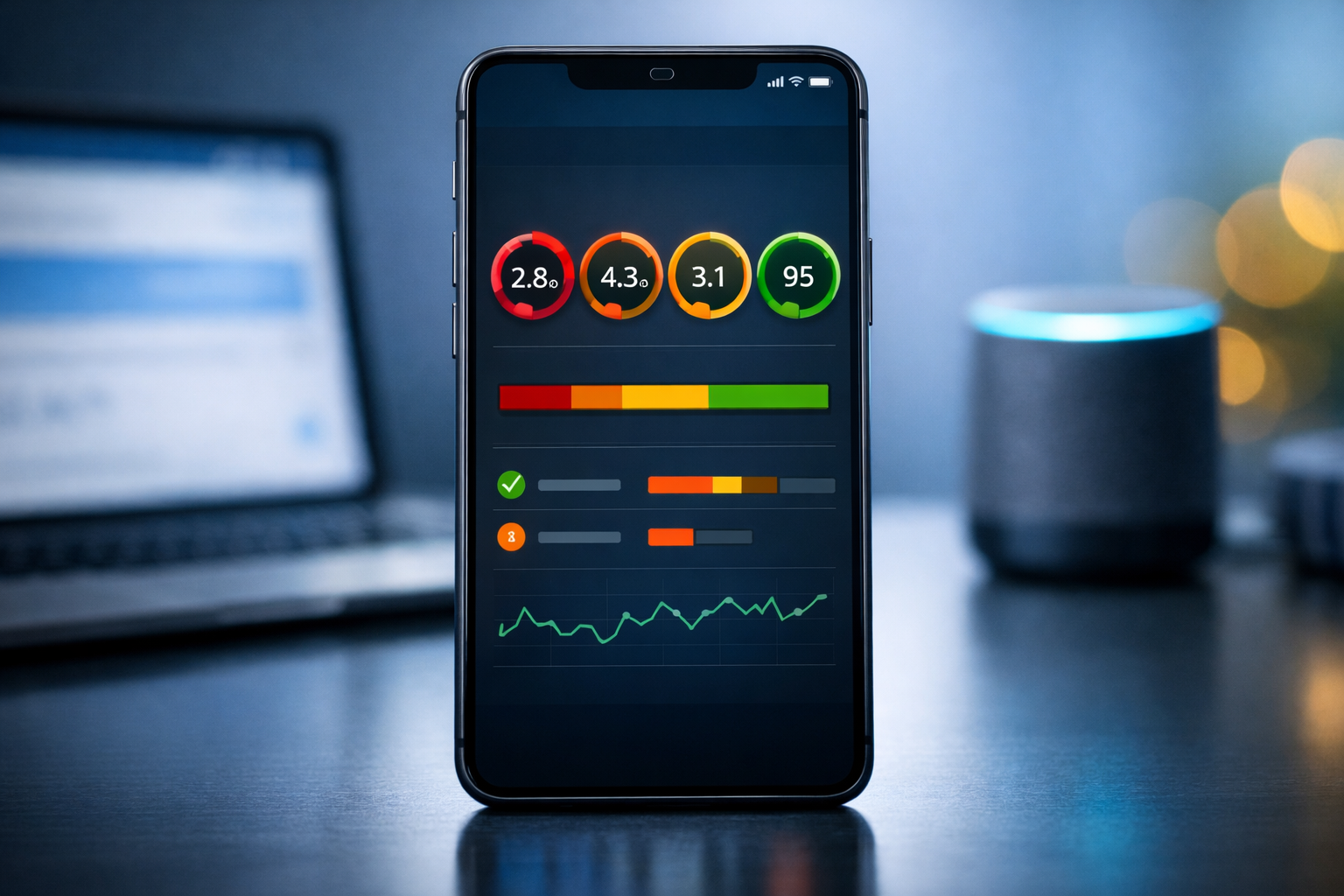
Technical audit measures page speed and mobile performance because Israeli users abandon slow sites faster than global averages. Mobile-first indexing means your mobile site version determines rankings.
Run Core Web Vitals testing using Google PageSpeed Insights, focusing on Largest Contentful Paint under 2.5 seconds and First Input Delay under 100 milliseconds for optimal user experience.
Validate mobile-first indexing compliance by checking that mobile site contains all content, structured data, and internal links present on desktop version.
Test Hebrew character encoding across all pages to ensure proper UTF-8 implementation that renders Hebrew text correctly in search results and browser displays.
Audit internal linking structure connecting service pages to location pages and ensuring proper anchor text distribution that supports topical authority building.
Verify local landing page optimization with city names in title tags, H1 headings, and meta descriptions that target specific geographic search queries.
Check image optimization including file size compression, alt text in Hebrew and English, and proper file naming conventions that support local SEO signals.
Validate contact page completeness with embedded Google Maps, clickable phone numbers, and Hebrew address information that matches Google Business Profile exactly.
Local SEO Audit reveals that Israeli mobile users expect 2.1 second load times, 78% bounce above 3 seconds. Your technical performance directly affects local ranking algorithms because Google prioritizes fast, mobile-friendly sites for local searches.
How Do You Analyze Local Competitors in Your Israeli Market?

Competitor analysis compares ranking factor implementation gaps between your business and top-performing local competitors. This reveals the specific advantages that put competitors ahead in map pack results.
| Audit Element | Your Business | Competitor 1 | Competitor 2 | Action Needed |
|---|---|---|---|---|
| GBP completeness score | Rate 1-23 | Rate 1-23 | Rate 1-23 | Fill gaps |
| Review count and rating | Count/Rating | Count/Rating | Count/Rating | Increase reviews |
| Citation quantity | Number found | Number found | Number found | Build more citations |
| Website page count | Total pages | Total pages | Total pages | Expand content |
| Hebrew content depth | Pages with Hebrew | Pages with Hebrew | Pages with Hebrew | Add Hebrew content |
Start by identifying your top 3 local competitors who consistently appear in map pack results for your target keywords. Audit their Google Business Profile completeness using the same 23-element checklist you used for your business.
Google Business Profile Optimization comparison reveals competitive advantages quickly. Document their category selections, service offerings, and photo strategies that might outperform your current setup.
Review their website content depth, particularly Hebrew language pages that target local search queries you want to rank for. Competitors with more comprehensive local content often dominate map pack visibility.
Top 3 local competitors control 67% of Map Pack visibility, audit reveals their advantage patterns. Focus your improvement efforts on the gaps where competitors clearly outperform your current optimization level.
Frequently Asked Questions
How long does a complete local SEO audit take for an Israeli business?
A thorough local SEO audit requires 4-6 hours for single-location businesses and 8-12 hours for multi-location operations. The bilingual nature of Israeli markets adds 40% more time than standard audits because you need separate validation for Hebrew and English optimization elements.
Do I need different audit tools for Hebrew vs English optimization?
Most standard SEO audit tools handle Hebrew content poorly, missing RTL text validation and Hebrew directory scanning. Israeli businesses need specialized tools for Hebrew keyword research, local directory coverage that includes Hebrew business listings, and schema validation that properly handles Hebrew character encoding.
What’s the biggest audit mistake Israeli businesses make?
Auditing only their English optimization while ignoring Hebrew local signals creates incomplete competitive analysis. 60% of Israeli local searches happen in Hebrew, but most businesses audit like they’re monolingual, missing critical ranking factors that Hebrew searchers use to find local services.
How often should Israeli businesses run local SEO audits?
Quarterly audits catch most issues before they impact rankings, but Israeli businesses need monthly Google Business Profile monitoring. Hebrew-English optimization conflicts develop quickly, and citation inconsistencies accumulate faster in bilingual markets where business information appears across different language directories.