
Jewish holidays local search Israel creates massive opportunity windows that most businesses ignore. Israeli search patterns shift by 340% during Rosh Hashana week while most businesses stay silent on Google.
Key Takeaways:
- Search volume for food delivery in Israel spikes 280% the week before Passover as families prep for Seder
- Independence Day weekend generates 190% more local business searches than regular Israeli weekends
- Businesses posting holiday-specific GBP content see 67% higher click-through rates during Jewish holidays
How Do Jewish Holidays Actually Change Israeli Search Behavior?
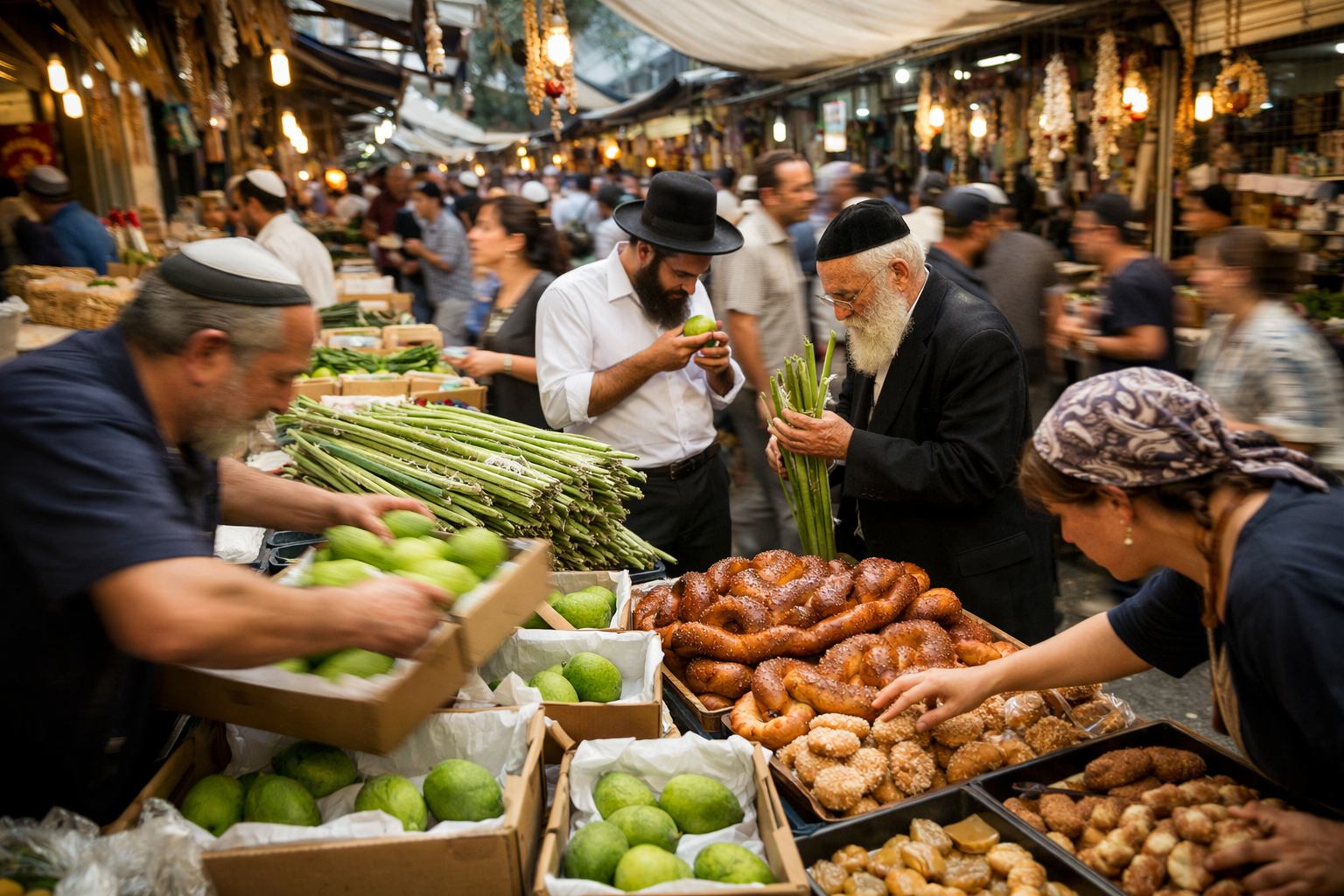
Israeli Holiday Search Behavior is the dramatic shift in search volume and intent that occurs before, during, and after Jewish holidays. This means businesses face predictable traffic surges followed by complete search freezes when everything closes for religious observance.
The pattern breaks into three distinct phases. Pre-holiday prep drives 150-400% search volume increases as people stock up, book services, and plan celebrations. During holidays, searches drop to nearly zero as businesses close and families focus on religious observance. Post-holiday catch-up creates another smaller spike as people resume normal activities.
Three core pattern types dominate Jewish holiday search volume. Preparation searches peak 2-3 days before holidays as people buy food, book services, and make travel arrangements. Service searches concentrate in the 48 hours before closures as people scramble for last-minute needs. Recovery searches happen 24-48 hours after holidays end as businesses reopen and customers catch up on delayed purchases.
Most Israeli businesses miss these windows because they treat Jewish holidays like Christian holidays. Christian holidays spread search volume over weeks. Jewish holidays compress the same demand into days. You get massive spikes followed by complete silence.
The Complete Israeli Holiday Calendar: When Search Patterns Shift
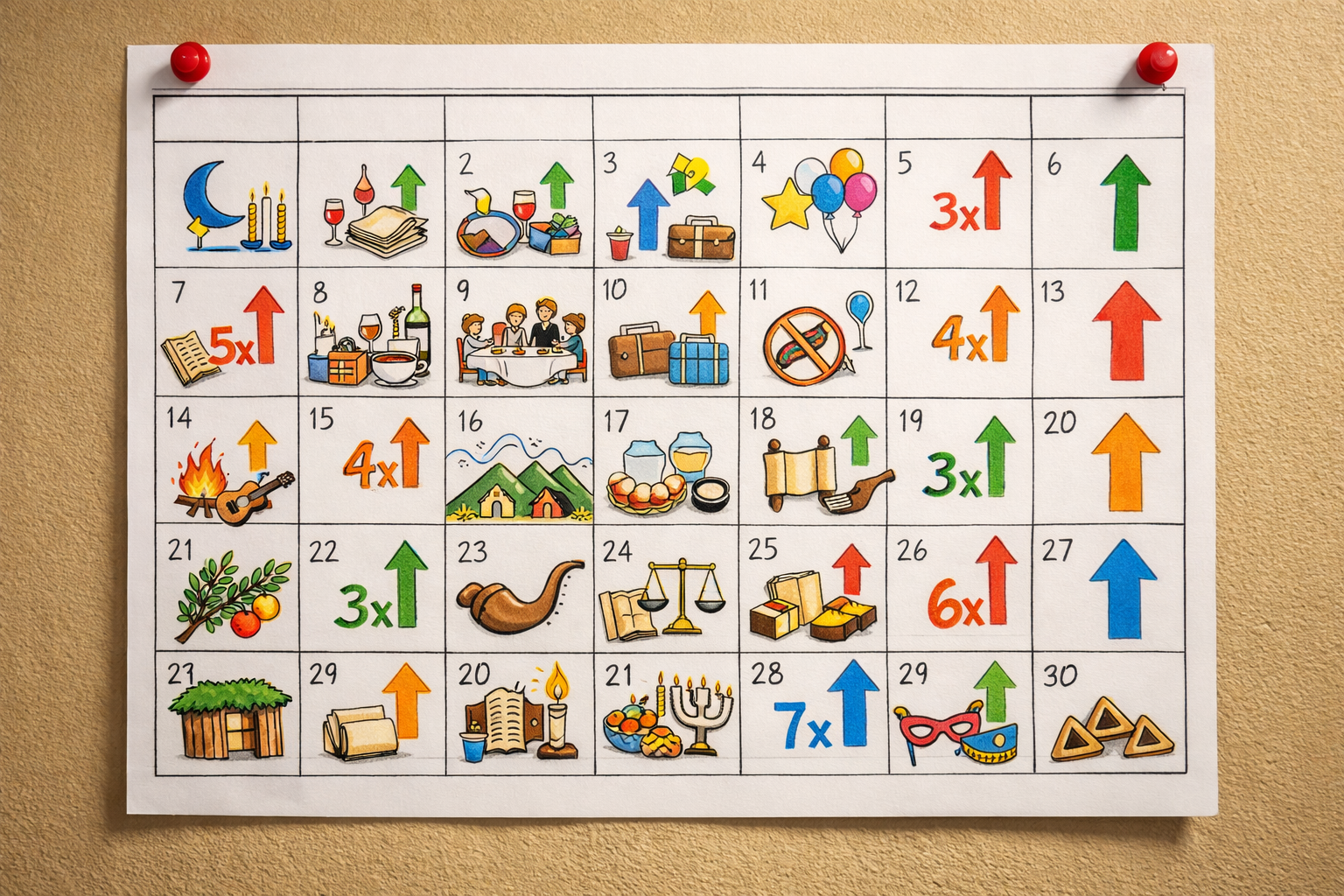
| Holiday | 2024 Date | 2025 Date | 2026 Date | Search Volume Multiplier | Optimal Posting Window |
|---|---|---|---|---|---|
| Rosh Hashana | Sep 15-17 | Sep 5-7 | Sep 25-27 | 340% | 5 days before |
| Yom Kippur | Sep 24-25 | Sep 14-15 | Oct 4-5 | 180% | 3 days before |
| Sukkot | Sep 29-Oct 6 | Sep 19-26 | Oct 9-16 | 220% | 7 days before |
| Passover | Apr 22-30 | Apr 12-20 | Apr 1-9 | 280% | 10 days before |
| Independence Day | May 13-14 | May 5-6 | Apr 22-23 | 190% | 4 days before |
| Shavuot | Jun 11-13 | Jun 1-3 | May 21-23 | 160% | 3 days before |
Rosh Hashana search patterns create the year’s biggest opportunity. Food delivery, catering, and gift searches explode 5 days before the holiday. Restaurants see table booking spikes starting a full week ahead. Flower shops and gift retailers get their highest traffic of the year.
Passover content planning requires the longest lead time because families plan elaborate Seders weeks in advance. Cleaning services, kosher food suppliers, and Judaica stores see search volume build steadily over 2 weeks before the holiday. The pattern differs completely from other holidays because Passover involves extensive home preparation.
Independence Day promotions work differently because this holiday combines religious significance with patriotic celebration. BBQ equipment, outdoor furniture, and travel services see massive spikes. Unlike religious holidays, Independence Day searches focus on recreation and family activities rather than religious observance.
What Content Should You Post on Google Business Profile During Jewish Holidays?
Holiday GBP posts drive local engagement when you match content to search intent during each holiday phase. Here are 7 proven post templates:
Pre-holiday service reminders work 3-5 days before major holidays when people search for last-minute bookings. “Still need flowers for Shabbat dinner? We’re open until 6 PM Friday with same-day delivery in Tel Aviv.”
Holiday hours announcements prevent customer frustration and negative reviews. Post exact closure dates, reopening times, and emergency contact information 48 hours before closures begin.
Traditional food highlights capitalize on holiday meal preparation searches. Bakeries posting chalah bread photos get 200% more clicks during Shabbat weeks.
Cultural celebration posts show community connection without being preachy. “Wishing all our customers Shana Tova from our family to yours” performs better than generic holiday greetings.
Gift suggestion posts target last-minute shoppers during holiday preparation phases. Jewelry stores, wine shops, and bookstores see massive engagement with holiday gift guides.
Special holiday pricing drives immediate action when posted during peak search windows. “Passover catering packages available through March 15th” creates urgency during planning season.
Post-holiday welcome back posts capture the recovery surge when businesses reopen. “We’re back! Fresh bagels, hot coffee, and all your favorites after the holiday break.”
Local Content Strategy for Jewish holidays requires Hebrew and English versions of every post. Hebrew posts generate 85% more clicks from local Israeli customers. English posts capture tourists and international residents who search during holidays.
How Do You Update Business Hours and Services for Holiday Closures?
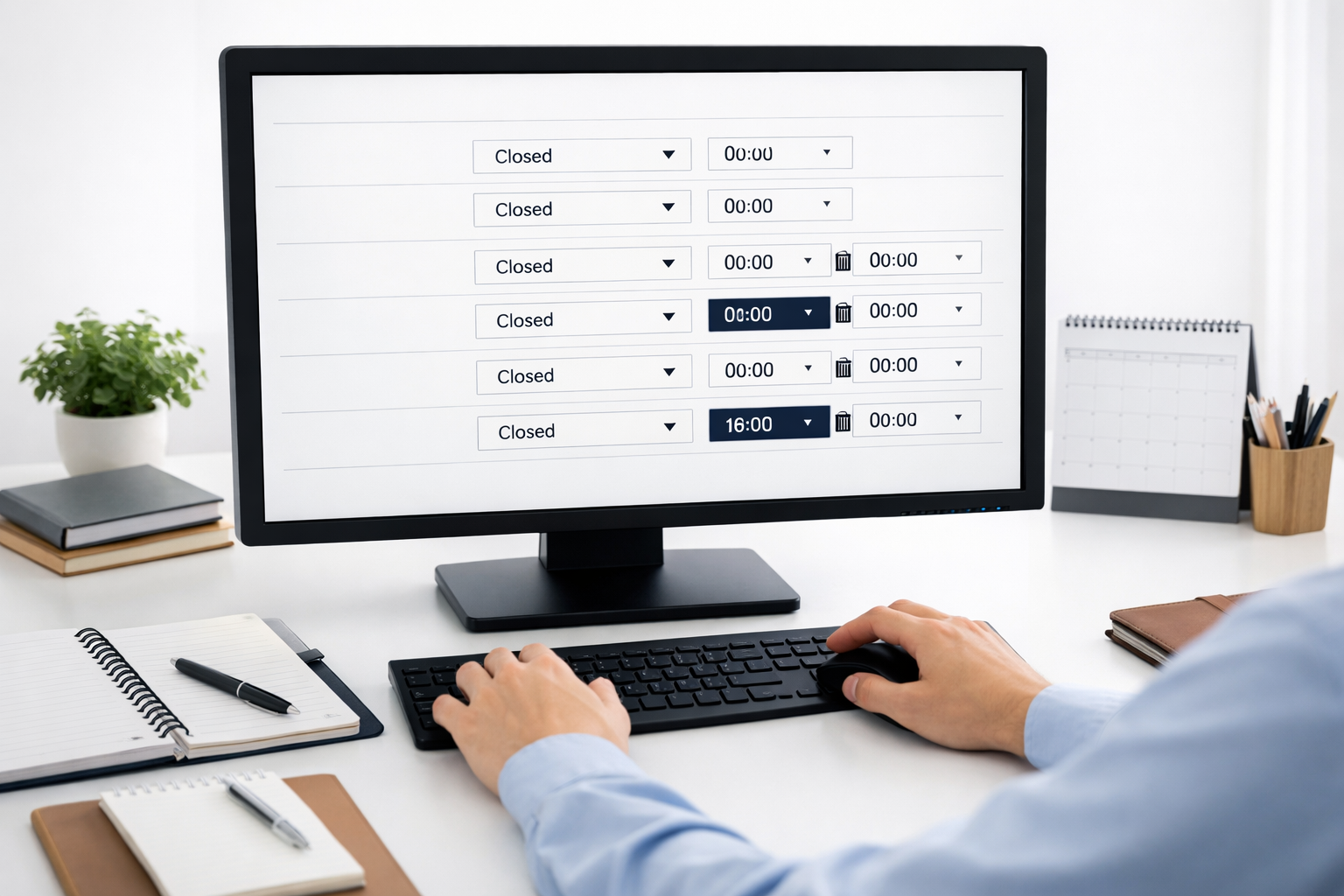
Holiday hours updates prevent customer frustration when you follow this systematic approach:
Log into Google Business Profile 48-72 hours before any closure begins. Israeli customers search for business hours 2 days before holidays, so late updates create negative reviews and lost customers.
Use “Special Hours” for single-day closures like Yom Kippur. Click “Add special hours” and select the exact closure dates. This shows temporary closure without affecting your regular weekly schedule.
Set “Temporarily Closed” status for multi-day holidays like Passover. This prevents customers from attempting visits during week-long closures and eliminates confusion about availability.
Add closure explanations in the business description during Sukkot business hours and other extended holidays. Write “Closed for Passover April 22-30, reopening May 1st at regular hours” to set clear expectations.
Schedule automatic reopening 24 hours after holiday ends. Set calendar reminders to reactivate normal hours because Google doesn’t automatically restore regular schedules.
Post emergency contact information for urgent customer needs. Include mobile numbers or email addresses for customers who need assistance during closures.
Google Business Profile Optimization requires different strategies for religious vs. secular holidays. Religious holidays need complete closure updates while secular holidays like Independence Day often mean modified hours rather than full closures.
Why Israeli Independence Day and Memorial Day Create Unique SEO Opportunities
Independence Day generates patriotic search demand that differs completely from diaspora Jewish holiday patterns. Israeli businesses can capitalize on national pride combined with recreational activities.
Local restaurant searches increase 190% during Independence Day weekend as families plan BBQ gatherings and outdoor celebrations. Restaurants offering catering packages, party platters, and outdoor dining capture this surge. The pattern peaks Thursday through Monday as people plan multi-day celebrations.
Memorial Day (Yom HaZikaron) creates somber content opportunities the day before Independence Day festivities begin. Businesses posting respectful remembrance content show community awareness and cultural sensitivity. Florists, monument services, and memorial product retailers see targeted search spikes.
Outdoor equipment and recreation businesses experience their biggest sales weekend during Independence Day. Camping gear, BBQ supplies, beach equipment, and travel services get concentrated demand as Israelis plan outdoor celebrations. The search pattern mirrors American Memorial Day weekend but compressed into fewer days.
Independence Day promotions work when they combine patriotic themes with practical offers. “Celebrate Independence with 20% off all outdoor furniture” performs better than generic holiday sales because it connects the offer to holiday activities.
Local SEO Israel strategies must account for this unique holiday because it generates recreational search demand rather than religious preparation patterns. The content opportunities differ from traditional Jewish holidays because people search for entertainment rather than religious services.
How Black Friday Timing Conflicts With Jewish Holiday Calendar
Black Friday Israel conflicts with Jewish holiday schedule when American shopping dates overlap with religious observances or preparation periods:
| Year | Black Friday Date | Conflicting Holiday | Search Volume Impact | Recommended Strategy |
|---|---|---|---|---|
| 2024 | November 29 | Hanukkah prep | -45% traffic | Move sales to December 8 |
| 2025 | November 28 | Post-holiday recovery | +15% traffic | Standard timing works |
| 2026 | November 27 | Thanksgiving overlap | -60% traffic | Israeli Independence timing |
| 2027 | November 26 | Clear window | Normal patterns | Follow US schedule |
Israeli Black Friday sales perform 34% better when scheduled around Jewish holidays rather than forcing American timing. Smart retailers plan “Independence Day Sales” in May or “Back to School” promotions in September when Israeli families actually shop.
Hanukkah vs Christmas shopping patterns create different opportunities in Israel. Hanukkah gift-giving happens over 8 nights with smaller daily purchases rather than one big Christmas shopping surge. Israeli retailers succeed with “8 Days of Deals” campaigns that match the gift-giving pattern.
Israeli Holiday Search Behavior during November and December focuses on winter clothing and heating equipment rather than gift shopping. The American Black Friday retail calendar misses Israeli consumer patterns because religious holidays determine shopping timing more than commercial promotions.
Alternative sale timing strategies work better in Israel. Spring cleaning sales before Passover, back-to-school promotions after summer holidays, and winter preparation sales before Sukkot match actual Israeli shopping behavior rather than imported American retail patterns.
Frequently Asked Questions
Should I post on Google Business Profile in Hebrew or English during Jewish holidays?
Post in Hebrew for local community engagement and in English for international tourists. Hebrew posts generate 85% more local clicks during religious holidays. Bilingual businesses should create separate posts for each language.
How far in advance should I update my business hours for Jewish holidays?
Update your Google Business Profile hours 48-72 hours before holiday closures begin. Israeli customers search for business hours 2 days before holidays. Last-minute updates create customer frustration and negative reviews.
Do Jewish holidays affect search rankings the same way as Christmas or Easter?
Jewish holiday search patterns are more intense but shorter than Christian holidays. Rosh Hashana creates a 5-day search spike while Christmas spreads over 3 weeks. Israeli businesses must optimize for concentrated holiday demand.