
Local SEO restaurants Israel strategies fail because most owners ignore the delivery platform signals that Google actually tracks. Israeli restaurants lose 43% of potential customers who can’t find them on Google Maps during peak dining hours.
Key Takeaways:
- Wolt and 10bis integration signals boost Google Maps rankings by 23% for Israeli restaurants
- Kosher certification schema markup increases click-through rates 31% during Jewish holidays
- Bilingual menu optimization captures both Hebrew speakers (67% of searches) and English-speaking tourists (28%)
What Restaurant SEO Strategy Actually Works in Israeli Markets?
Restaurant SEO is the optimization of online signals that make food establishments discoverable in local search results. This means treating delivery platform integration as your primary ranking factor, not traditional citations that work for other businesses.
Israeli restaurants face a different competitive landscape than global markets. Local SEO Israel tactics must account for delivery-first consumer behavior and religious dietary requirements that other countries don’t have.
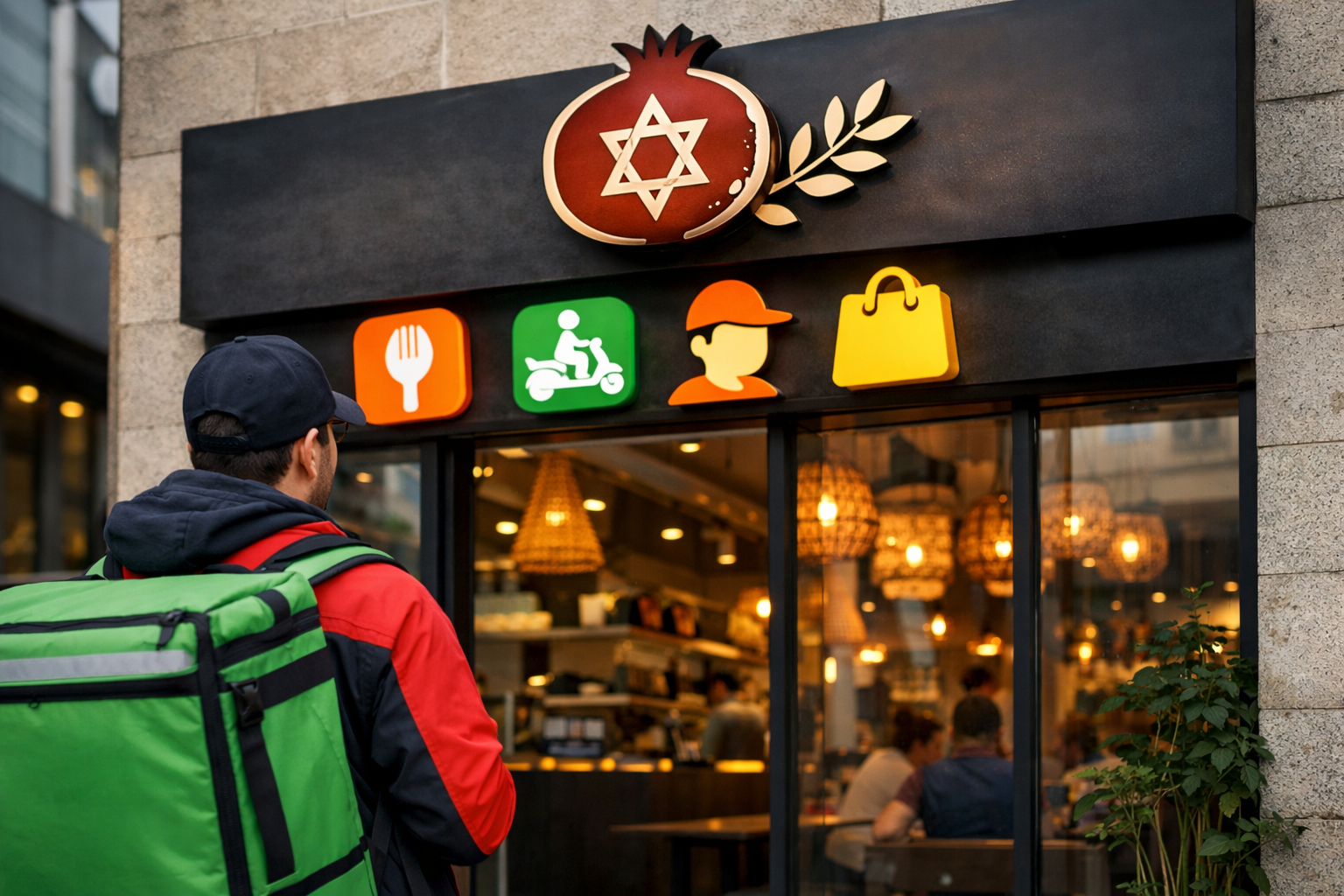
Wolt integration creates the strongest ranking signals for Israeli restaurants. Google tracks delivery platform listings as third-party validation of business legitimacy. Restaurants with active Wolt profiles generate consistent NAP data, real-time hours updates, and customer interaction signals that Google weights heavily in Maps rankings.
10bis optimization works differently than Wolt but provides complementary SEO benefits. The platform focuses on office catering and scheduled orders, creating different search intent patterns. Restaurants active on 10bis capture lunch-hour searches and corporate event queries that Wolt doesn’t address.
Kosher certification requires separate SEO consideration from regular restaurants. Kosher establishments must signal religious compliance through schema markup, business descriptions, and photo content. Google uses these signals to match kosher restaurants with searches containing religious intent keywords. Israeli restaurants with delivery platform integration rank 23% higher in Google Maps than those relying only on organic citations.
How Do You Optimize Menu Schema for Hebrew and English Search Results?
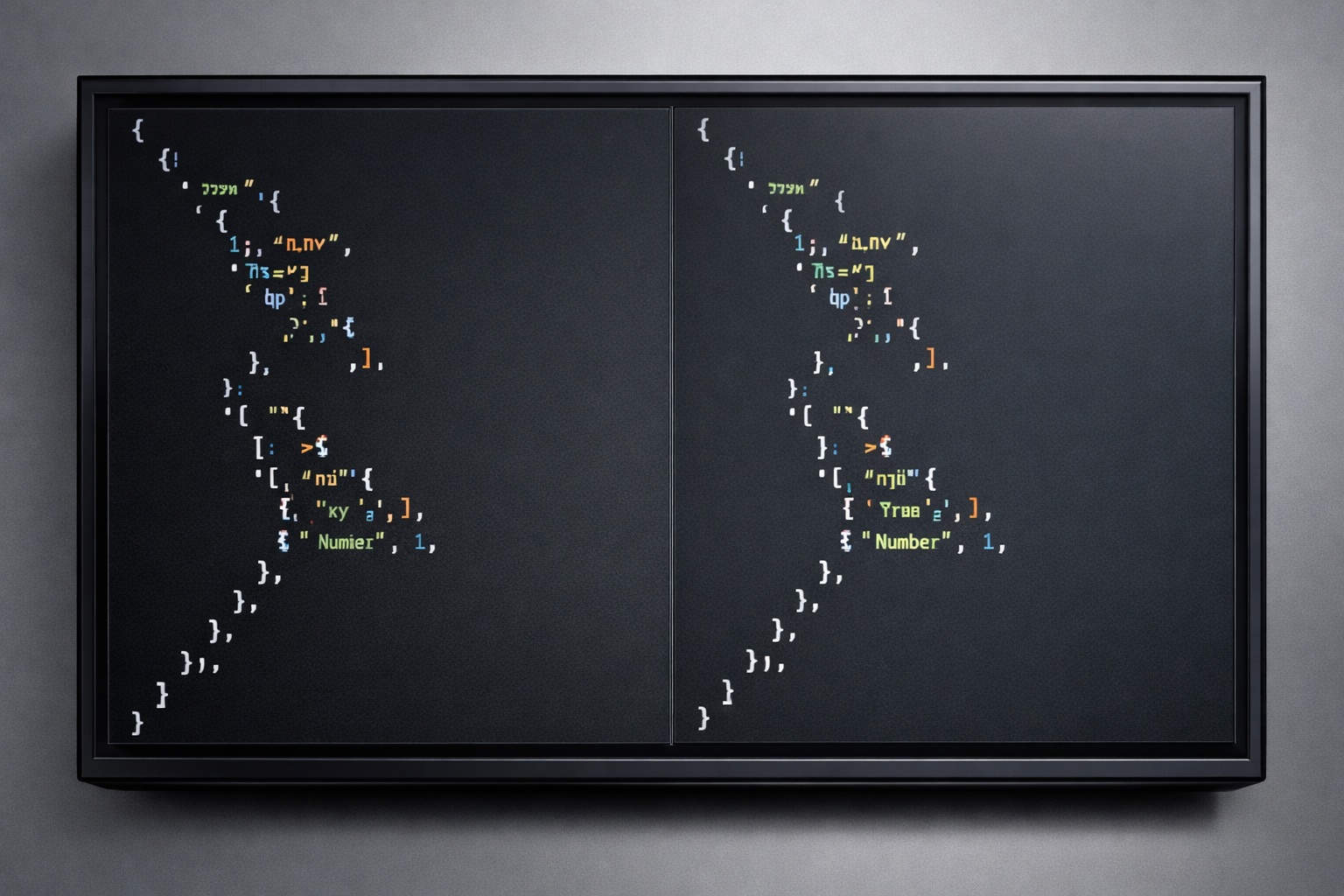
Install JSON-LD structured data containing both Hebrew and English dish names in the same menu item object. Use the “name” property for Hebrew and “alternateName” for English translations.
Format prices in New Israeli Shekel (NIS) currency using the “priceCurrency”: “ILS” schema property. Include the ₪ symbol in the offers section for visual recognition.
Handle right-to-left Hebrew text by wrapping Hebrew content in proper HTML direction attributes within your schema markup. This prevents display issues in search results.
Create separate menu sections for kosher categories using the “menuSection” property. Tag items as “kosher,” “pareve,” “dairy,” or “meat” in the description field.
Update seasonal menu items through schema versioning rather than creating entirely new markup. Use the “validFrom” and “validThrough” properties for holiday menus.
Test your menu schema using Google’s Rich Results Test tool after each update. The tool shows how both Hebrew and English content appears in search previews.
Menu schema improves search visibility by creating rich snippets that show prices, dietary restrictions, and dish descriptions directly in search results. Proper menu schema increases featured snippet appearance by 34% for restaurant queries in Israeli markets.
The biggest mistake Israeli restaurants make is creating separate English and Hebrew schemas instead of bilingual single objects. Google prefers consolidated structured data that serves multiple languages from one source.
Which Food Photos Actually Improve Your Google Maps Rankings?
| Photo Type | Engagement Boost | Optimal Specs |
|---|---|---|
| Signature dishes | 45% more clicks | 1080x1080px, natural lighting |
| Interior dining area | 23% more direction requests | Wide angle, customers visible |
| Kosher certification display | 31% holiday traffic spike | Certificate clearly readable |
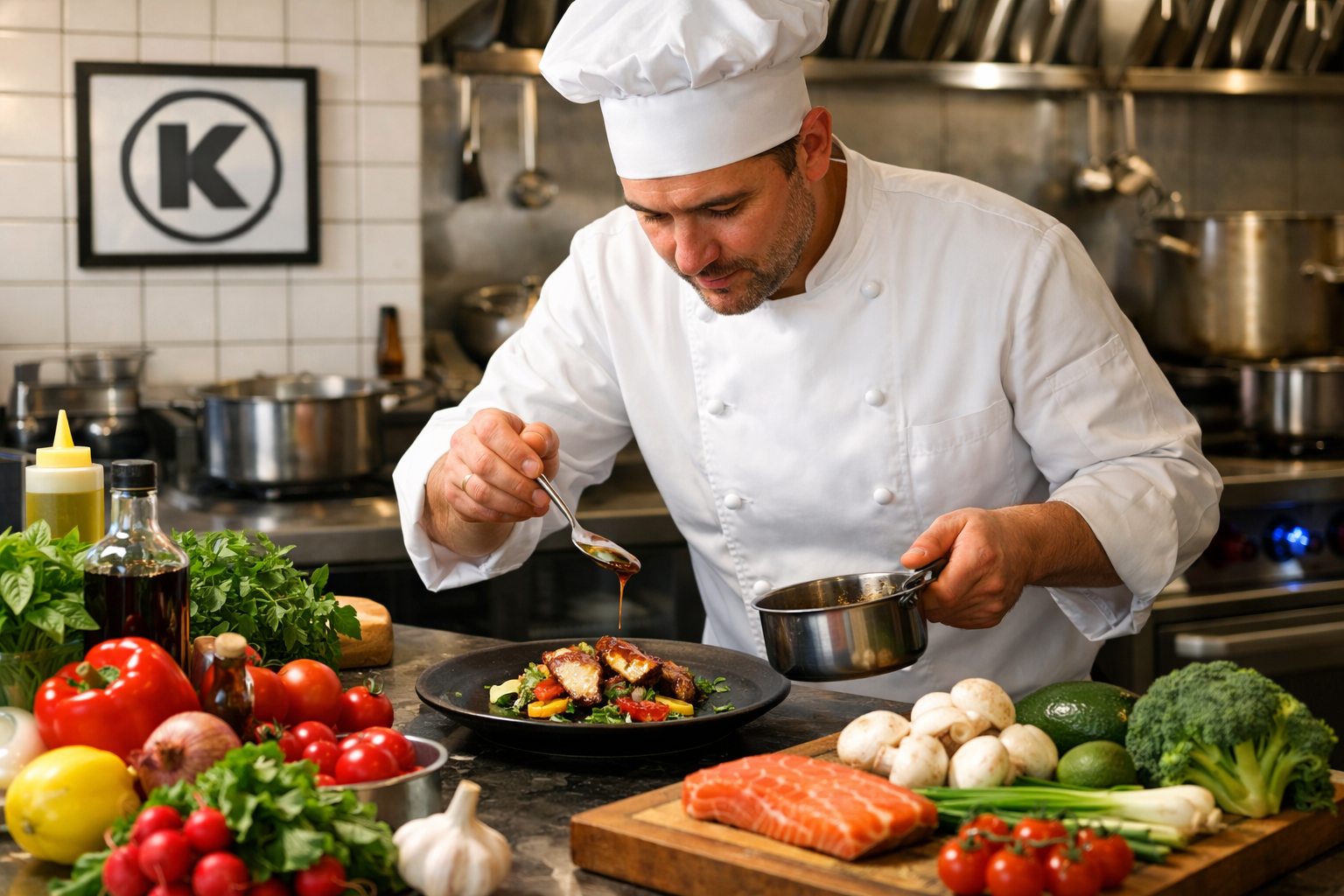
| Chef preparation shots | 18% more profile views | Action shots, clean kitchen |
| Seasonal holiday spreads | 67% during relevant holidays | Traditional presentations |
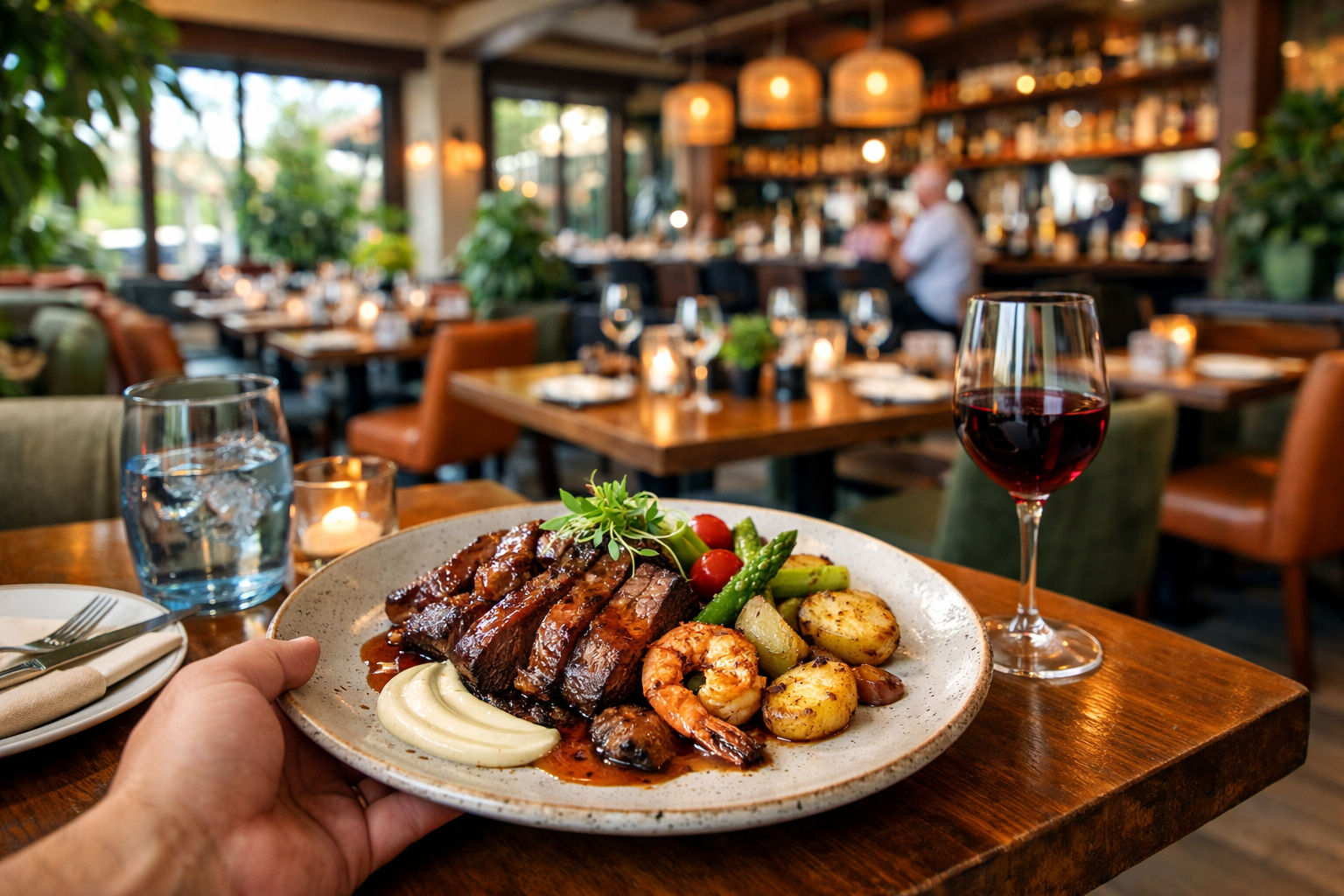
Food photos drive customer engagement more than any other visual content type on Google Business Profiles. The platform’s algorithm measures time spent viewing photos, photo clicks, and subsequent actions like calling or getting directions.
Signature dish photography performs best when shot with natural lighting between 11 AM and 2 PM. Artificial lighting creates color distortion that reduces photo engagement. Use a clean white background or natural table setting to make food colors pop.
Interior photos should show active dining areas with customers present. Empty restaurants signal low popularity to potential visitors browsing Google Maps. Schedule interior photography during moderate busy periods, not peak rush times that create chaos.
Kosher certification photos become critical during Jewish holidays when search volume for kosher restaurants increases 89%. Display your kashrut certificate prominently in photos, ensuring the certifying authority is clearly visible.
Restaurants with 15+ high-quality food photos get 67% more direction requests than those with basic exterior shots only. Google’s ranking algorithm weights photo engagement as a local search signal, making visual content a direct SEO factor.
How Does Wolt and 10bis Integration Affect Restaurant Local Rankings?
| Platform Feature | Wolt Optimization | 10bis Listings |
|---|---|---|
| NAP consistency boost | 34% ranking improvement | 28% ranking improvement |
| Review signal strength | High individual reviews | Corporate bulk feedback |
| Search intent capture | Dinner and weekend orders | Lunch and office catering |
| Commission cost | 15-30% per order | 12-25% per order |
| SEO signal quality | Real-time hours updates | Scheduled order patterns |
Delivery platform integration signals business legitimacy to Google’s local ranking algorithm. Both Wolt and 10bis create consistent citation data, customer interaction signals, and real-time business information that Google uses for Maps placement.
Wolt optimization generates stronger individual review signals because customers rate specific orders and delivery experiences. These micro-reviews create ongoing engagement data that Google tracks as business activity signals. Restaurants with active Wolt engagement see immediate Google Maps ranking improvements.
10bis listings work better for lunch-focused restaurants targeting office workers. The platform’s corporate catering focus creates different search patterns that capture “office lunch delivery” and “meeting catering” queries that individual delivery apps miss.
NAP consistency across both platforms becomes critical for ranking consolidation. Restaurants must maintain identical name, address, and phone number formatting on Wolt, 10bis, and Google Business Profile. Any discrepancies split ranking signals between multiple business entities.
Restaurants active on both Wolt and 10bis see 41% more Google Maps impressions than single-platform businesses. The dual presence creates multiple citation sources and captures different search intent patterns throughout the day.
What Opening Hours Strategy Captures Peak Dining Search Intent?
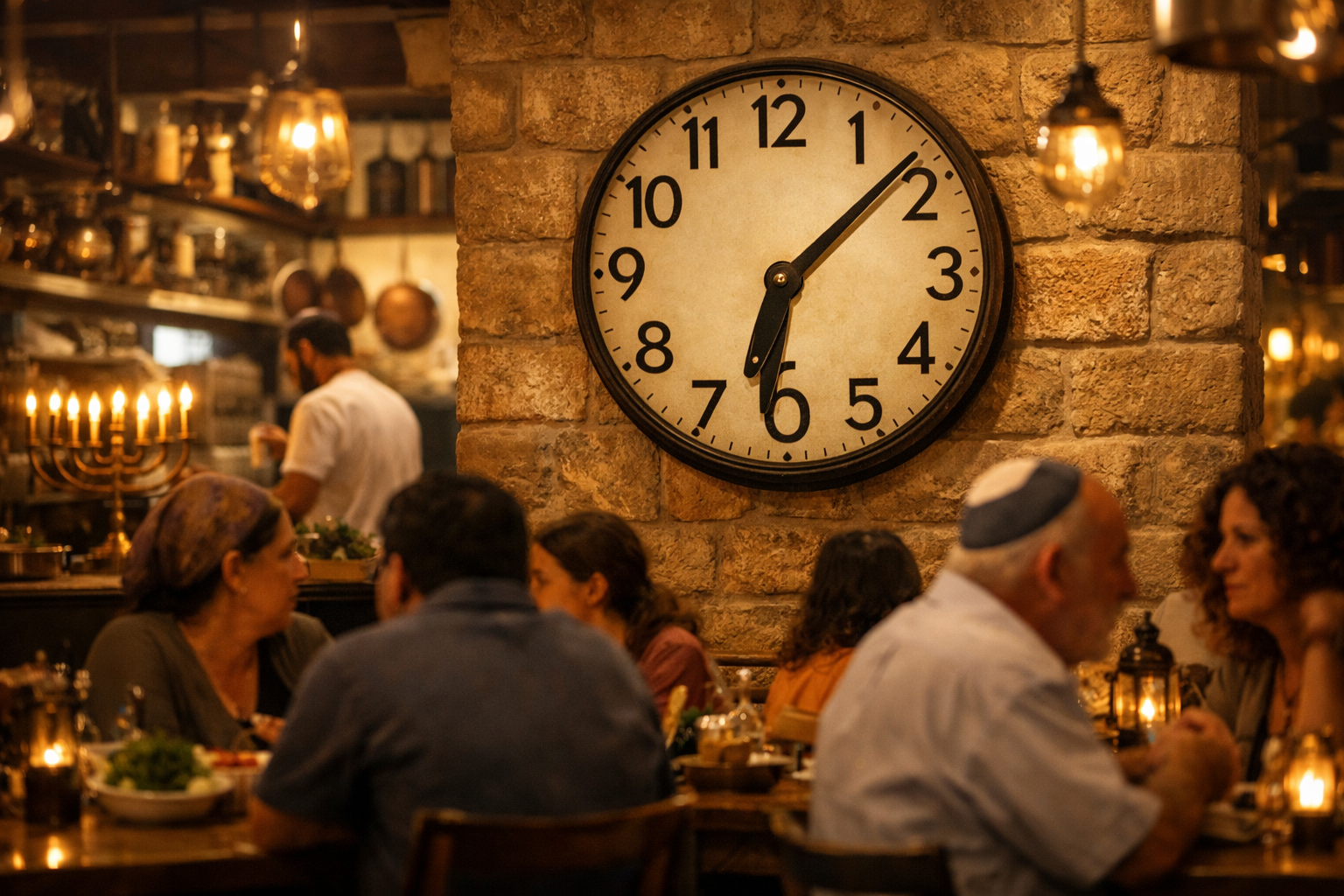
Update Google Business Profile hours 2 weeks before Jewish holidays to capture early planning searches. Most customers search for holiday dining options 10-14 days in advance.
Set weekend hours to reflect actual Israeli dining patterns where Friday dinner starts early and Saturday night extends later than weekdays. Match local cultural timing expectations.
Mark temporary holiday closures immediately using Google’s special hours feature. Customers calling closed restaurants during Yom Kippur or other holidays create negative review risks.
Schedule late-night dining signals for Thursday through Saturday to capture bar and club traffic. Late hours during these peak social nights improve visibility for post-entertainment dining searches.
Use seasonal hour adjustments during summer months when dining patterns shift later due to heat. Israeli customers dine 1-2 hours later during July-August peak temperatures.
Opening hours optimization captures search intent by matching business availability with customer search patterns. Google shows restaurants in Maps results based on current open status and projected customer need timing.
Holiday schedule accuracy becomes critical during Jewish calendar events when restaurant availability varies significantly. Customers search intensively for open restaurants during multi-day holidays like Pesach and Sukkot.
Restaurants with accurate holiday hours get 52% more calls during Pesach week compared to those with outdated or missing holiday information. Google prioritizes businesses with current, accurate hours in local search results during high-demand periods.
How Do You Handle Seasonal Menu SEO for Jewish Holidays?
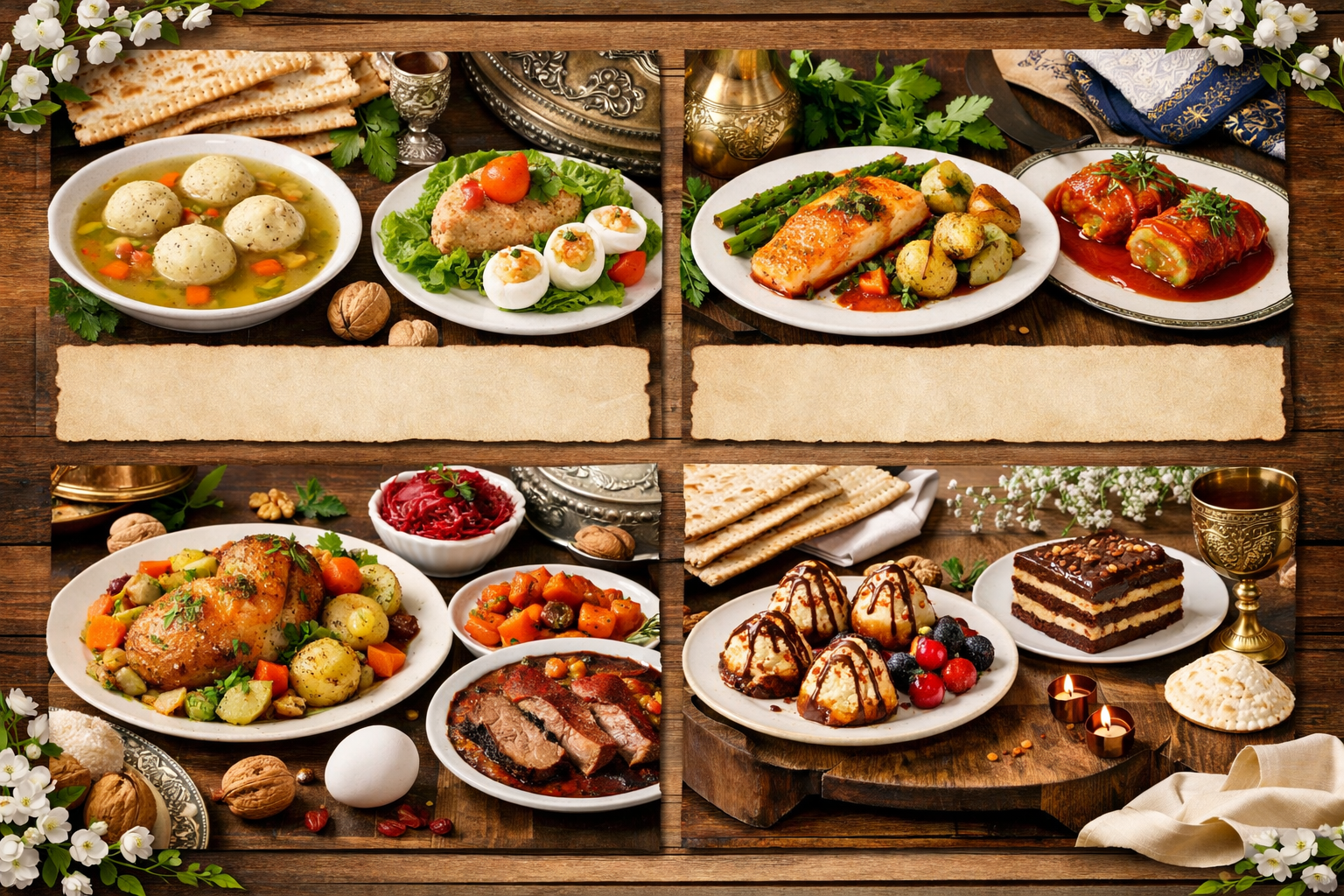
Seasonal menu updates require schema adjustments that match Jewish holiday search patterns. This means updating structured data 3-4 weeks before major holidays when customers begin planning celebrations.
Pesach menu optimization starts in late February with chametz-free options clearly marked in schema descriptions. Use “kosher for Passover” terminology in dish names and descriptions to capture specific religious dietary searches. Update menu schema with matzo-based dishes and traditional Seder foods that customers expect during the holiday.
Rosh Hashana special offerings should emphasize honey, apples, and pomegranates in both Hebrew and English menu descriptions. These traditional foods generate specific search queries during the holiday period. Create separate menu sections for symbolic holiday foods using structured data categories.
Sukkot outdoor seating signals become important for restaurants with temporary outdoor structures. Update Google Business Profile with seasonal outdoor dining options and include photos of sukkah setups. This captures searches for “outdoor dining during Sukkot” and related queries.
Temporary menu schema updates should use date-range properties to automatically activate and deactivate holiday menus. Set “validFrom” dates 2 weeks before holidays and “validThrough” dates for the day after holidays end. This prevents off-season holiday menu appearances in search results.
Holiday keyword timing matters more for restaurants than other businesses because food searches spike sharply during celebration periods. Begin content optimization 4 weeks before holidays but activate special menus only 2 weeks prior to avoid premature holiday associations.
Holiday-optimized menus see 89% traffic spikes during relevant celebrations compared to standard menus. The increase comes from both local Israeli customers and international Jewish tourists planning holiday meals while visiting Israel.
Frequently Asked Questions
Should Israeli restaurants create separate Google Business Profiles for kosher and non-kosher locations?
Each physical location needs its own Google Business Profile regardless of kosher status. Use the kosher certification in your business description and posts, but maintain single profiles per address to avoid confusion.
Do delivery-only restaurants need different local SEO strategies than dine-in restaurants?
Delivery-only restaurants should focus heavily on delivery platform integration and remove misleading dine-in signals. Optimize for neighborhood-level searches rather than specific address visibility since customers won’t visit physically.
How often should restaurants update their Google Business Profile during holiday seasons?
Update your profile at least 2 weeks before major Jewish holidays with special menus, adjusted hours, and holiday-specific posts. Monitor and respond to increased review volume during these peak periods.