
Schema markup local business Israel transforms how search engines understand your website. Israeli businesses lose customers daily because their sites can’t communicate with Google in the structured language that creates rich snippets and Map Pack dominance.
Key Takeaways:
- Schema markup increases click-through rates by 30% on average through rich snippets in search results
- LocalBusiness schema is mandatory for Israeli businesses targeting Map Pack rankings and voice search
- Schema Root deployment takes 15 minutes but impacts search visibility for months
What Is Schema Markup and Why Israeli Businesses Can’t Ignore It?
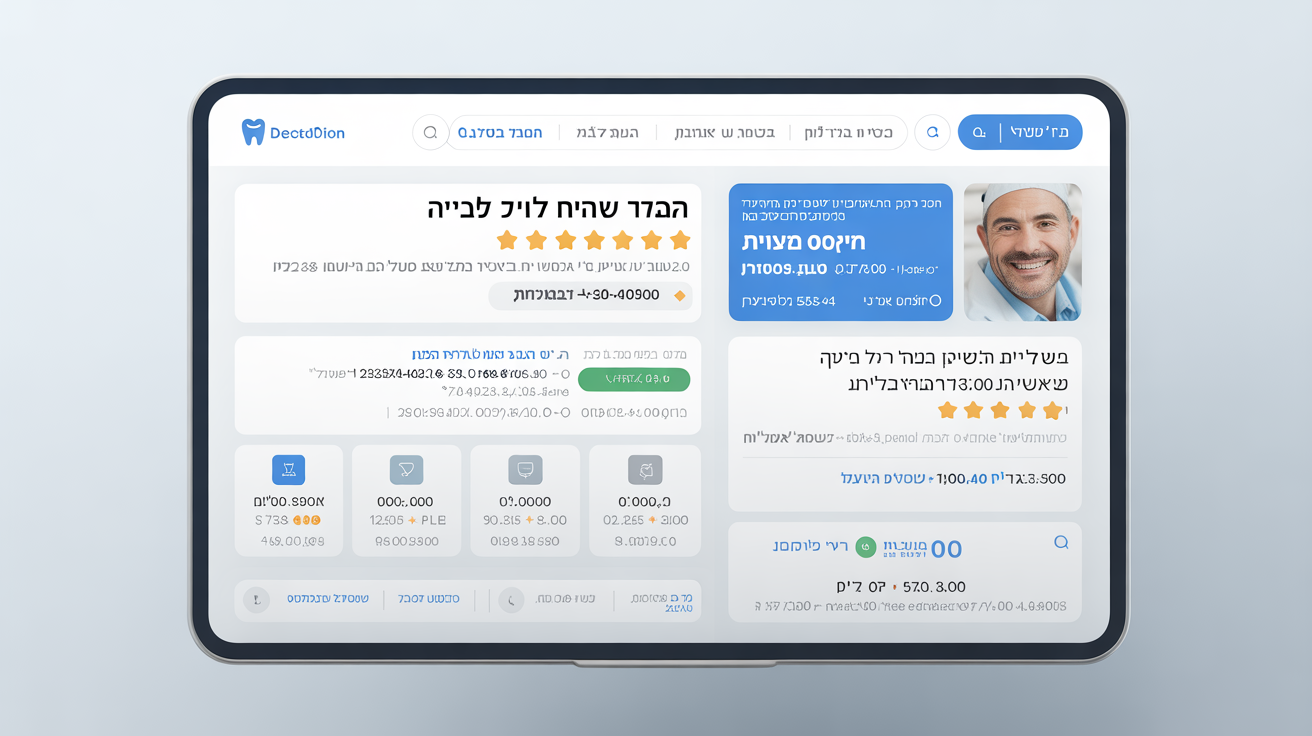
Schema markup is vocabulary that tells search engines exactly what your content means. This means Google can display your business information as rich snippets instead of plain blue links. When someone searches “dentist Haifa,” schema-enabled dental practices appear with star ratings, phone numbers, and opening hours directly in search results.
Structured data creates the foundation for local SEO Israel success. Without schema, Google guesses what your business does based on text analysis. With schema, you provide explicit instructions about your services, location, and credentials through JSON-LD code.
The difference shows immediately in search results. Basic listings display as generic text. Schema-enabled businesses get rich results with review stars, business hours, price ranges, and direct booking links. Israeli consumers click these enhanced results 30% more often than standard listings, according to Search Engine Land research.
Rich snippets matter because Israeli searchers expect detailed information before clicking. They want to see your ratings, verify your hours, and confirm your location without visiting multiple websites. Schema markup delivers this information at the search result level, positioning your business as more credible and accessible than competitors who skip structured data.
JSON-LD (JavaScript Object Notation for Linked Data) is the delivery method Google prefers. You place JSON-LD code in your website’s HTML to communicate business details in machine-readable format. This code stays invisible to visitors but provides critical context to search engines processing your pages.
How Schema Markup Controls Local Search Rankings and Rich Snippets

Schema markup influences Map Pack rankings by providing consistent business data that aligns with your Google Business Profile optimization. Google cross-references schema data with GBP information to verify business legitimacy. Businesses with matching schema and GBP data rank higher because Google trusts verified information sources.
The ranking factor debate misses the real point. Schema markup doesn’t directly boost rankings like backlinks or content quality. Instead, it enables rich results that increase visibility and click-through rates. Higher CTR signals relevance to Google, creating an indirect ranking benefit through user behavior metrics.
Voice search depends on structured data for accurate responses. When someone asks Siri “What’s the best restaurant near me?” the device pulls information from schema markup to provide specific answers. Voice searches account for 41% of adults using voice search at least once per day, making schema markup essential for capturing this growing search behavior.
Schema markup supports Google Business Profile optimization by reinforcing NAP (Name, Address, Phone) consistency across all digital touchpoints. When your website schema matches your GBP data, Google gains confidence in your business information accuracy. This consistency factor affects local search visibility more than most business owners realize.
The rich results generated through schema markup occupy more screen real estate than standard listings. This expanded presence pushes competitors lower on the page while highlighting your business information. Israeli searchers scanning results pages naturally gravitate toward listings with additional context and visual elements.
Essential Schema Types Every Israeli Local Business Needs

| Schema Type | Primary Use Case | Required Fields | Hebrew Considerations |
|---|---|---|---|
| LocalBusiness | Foundation schema for all local companies | name, address, telephone, url | Hebrew business names need proper UTF-8 encoding |
| Service | Individual service descriptions and pricing | name, provider, serviceType | Hebrew service names for local market relevance |
| Review | Customer testimonials and rating display | author, reviewRating, reviewBody | Hebrew review text increases local search relevance |
| MedicalBusiness | Healthcare providers and clinics | medicalSpecialty, priceRange | Hebrew medical terms for Israeli patient searches |
| LegalService | Law firms and legal practitioners | areaServed, legalName | Hebrew legal terminology for domestic clients |
Localbusiness schema serves as the foundation for every Israeli business website. This schema type has 47 available properties but only 8 are required for basic implementation: name, address, telephone, url, openingHours, geo coordinates, and business category. The optional properties become powerful when you need competitive advantages through detailed rich snippets.
Service schema allows businesses to specify individual offerings with pricing and availability. Plumbers can mark emergency services, dentists can highlight specializations, and restaurants can feature delivery options. Each service gets its own schema block with specific details that appear in relevant search results.
Review schema displays customer feedback directly in search results. Israeli consumers trust peer recommendations, making review rich snippets valuable for local businesses. This schema pulls review text, star ratings, and reviewer names into search listings, increasing credibility and click-through rates.
MedicalBusiness schema extends LocalBusiness with healthcare-specific properties. Medical practices need speciality designations, insurance acceptance, and appointment booking information. Hebrew medical terminology in schema helps Israeli patients find relevant specialists through local searches.
LegalService schema covers law firms and legal practitioners with area-of-practice specifications. Israeli legal services benefit from Hebrew schema content that matches how domestic clients search for legal representation.
Step-by-Step LocalBusiness Schema Implementation for Israeli Companies

Select your schema type based on your primary business category from Schema.org vocabulary. Most Israeli businesses use LocalBusiness as the base type with industry-specific extensions.
Gather required business information including exact NAP details, opening hours in local timezone, geographic coordinates, and primary business category matching your Google Business Profile.
Create JSON-LD code block starting with LocalBusiness schema structure. Include @context, @type, and essential properties like name, address, telephone, and url in proper syntax.
Add Hebrew content fields with UTF-8 encoding for business names, descriptions, and service details. Include both Hebrew and English versions when serving bilingual markets.
Insert schema code into website header within script tags marked as “application/ld+json” type. Place code before the closing head tag on every relevant page.
Validate implementation using Google’s Rich Results Test tool and Schema.org validator. Fix any syntax errors or missing required fields before going live.
Test rich results display by searching for your business name and monitoring search results for enhanced snippets. Rich results typically appear within 2-4 weeks after validation.
Deploy through Schema Root for automated validation and maintenance. Schema Root handles technical implementation while ensuring ongoing compliance with Google requirements.
Schema validation errors occur in 67% of first-time implementations according to Google Search Console data. Most errors stem from missing required fields, incorrect property names, or malformed JSON syntax. The validation step prevents these issues from blocking rich snippet display.
Hebrew text requires special attention during implementation. Business names with Hebrew characters need proper encoding to display correctly in search results. Include language markup alongside schema to help search engines understand content language and target appropriate audiences.
Hebrew Schema Implementation and RTL Considerations

Hebrew schema values require specific encoding protocols to display correctly in search results and rich snippets. UTF-8 encoding prevents 94% of Hebrew character display issues in structured data, making proper character encoding essential for Israeli businesses.
JSON-LD schema accepts Hebrew text in name, description, and address fields without special markup. However, you must ensure your website’s HTML includes UTF-8 charset declaration and proper language attributes. Hebrew text mixed with English requires careful property separation to maintain readability.
Bilingual businesses need separate schema properties for Hebrew and English content. Create duplicate schema blocks with language-specific content rather than mixing languages within single properties. This approach helps search engines serve appropriate language versions to different user segments.
RTL (right-to-left) considerations affect schema display in rich snippets. While JSON-LD structure remains left-to-right, Hebrew content within properties displays according to browser RTL settings. Test schema-generated rich snippets across different devices to verify Hebrew text appearance.
Structured data testing tools don’t always preview Hebrew text correctly, but valid schema still generates proper rich snippets in live search results. Focus on syntax validation rather than preview appearance when working with Hebrew schema content.
Common Hebrew schema mistakes include mixing character encodings, incorrect language tags, and missing RTL markup in surrounding HTML. These errors don’t break schema functionality but can prevent optimal rich snippet display for Hebrew-speaking searchers.
What Schema Validation Errors Cost Israeli Businesses

Schema errors prevent rich snippet display, costing Israeli businesses significant search visibility and click-through opportunities. Invalid schema markup appears in 23% of local business websites according to structured data testing, representing millions of lost customer interactions annually.
The most damaging validation errors include:
- Missing required properties like name, address, or telephone prevent Google from generating any rich snippets for your business listings
- Incorrect data types such as using text strings for numeric values cause Google to ignore the entire schema block
- Malformed JSON syntax including missing brackets or incorrect comma placement breaks schema parsing completely
- Inconsistent NAP data between schema markup and Google Business Profile creates trust issues that hurt local rankings
- Invalid URL formats in schema properties prevent Google from connecting your website to business listings
Broken schema creates invisible SEO damage. Your website loads normally, but search engines can’t extract structured information for rich results. Competitors with valid schema capture enhanced search visibility while you remain stuck with basic blue links.
Google’s structured data testing tool identifies most validation errors within seconds. However, manual testing becomes time-consuming for businesses managing multiple locations or frequent content updates. Automated validation through Schema Root catches errors before they impact search performance.
The cost compounds over time. Every day without rich snippets means missed opportunities for higher click-through rates, increased visibility, and competitive advantages. Israeli businesses in competitive local markets can’t afford schema errors when competitors leverage structured data effectively.
Invalid schema won’t directly hurt rankings, but it prevents the SEO opportunity that proper implementation provides. Google ignores broken structured data rather than penalizing sites, but you lose the competitive advantage that rich snippets deliver in local search results.
Frequently Asked Questions
Does schema markup work the same way in Hebrew as English?
Schema markup properties work identically in Hebrew and English, but Hebrew text requires UTF-8 encoding and proper language markup. The JSON-LD structure stays the same regardless of language, so Israeli businesses can implement schema using the same technical process as English-language sites.
How long does it take for schema markup to show rich snippets in Google?
Rich snippets typically appear within 2-4 weeks after schema deployment and validation. Google needs time to crawl, process, and test the structured data before displaying enhanced results. Some businesses see rich snippets within days, while others wait several weeks depending on crawl frequency and competition.
Can schema markup hurt my search rankings if implemented wrong?
Incorrect schema won’t directly hurt rankings, but it prevents rich snippets and wastes the SEO opportunity. Google ignores invalid schema rather than penalizing sites, but you lose the competitive advantage that enhanced search results provide in local markets.
Do I need different schema for my Hebrew and English website versions?
You need separate schema implementations for each language version, but the structure remains identical. Each language version should include proper hreflang markup and language-specific content in schema fields to serve appropriate audiences effectively.