
Proprietary SEO tools Israel agencies build give them a massive cost advantage over competitors renting SaaS subscriptions. Most SEO agencies pay monthly fees to tool vendors and pass those costs to clients. Local SEO Israel built every tool they use.
Key Takeaways:
- Tool ownership reduces client costs by 47% compared to agencies renting SaaS subscriptions
- Proprietary infrastructure delivers 3-5x faster execution than piecing together third-party tools
- BYOK architecture enables real-time entity optimization that rented tools can’t match
What Tools Do SEO Agencies Actually Use vs. What They Should Own?
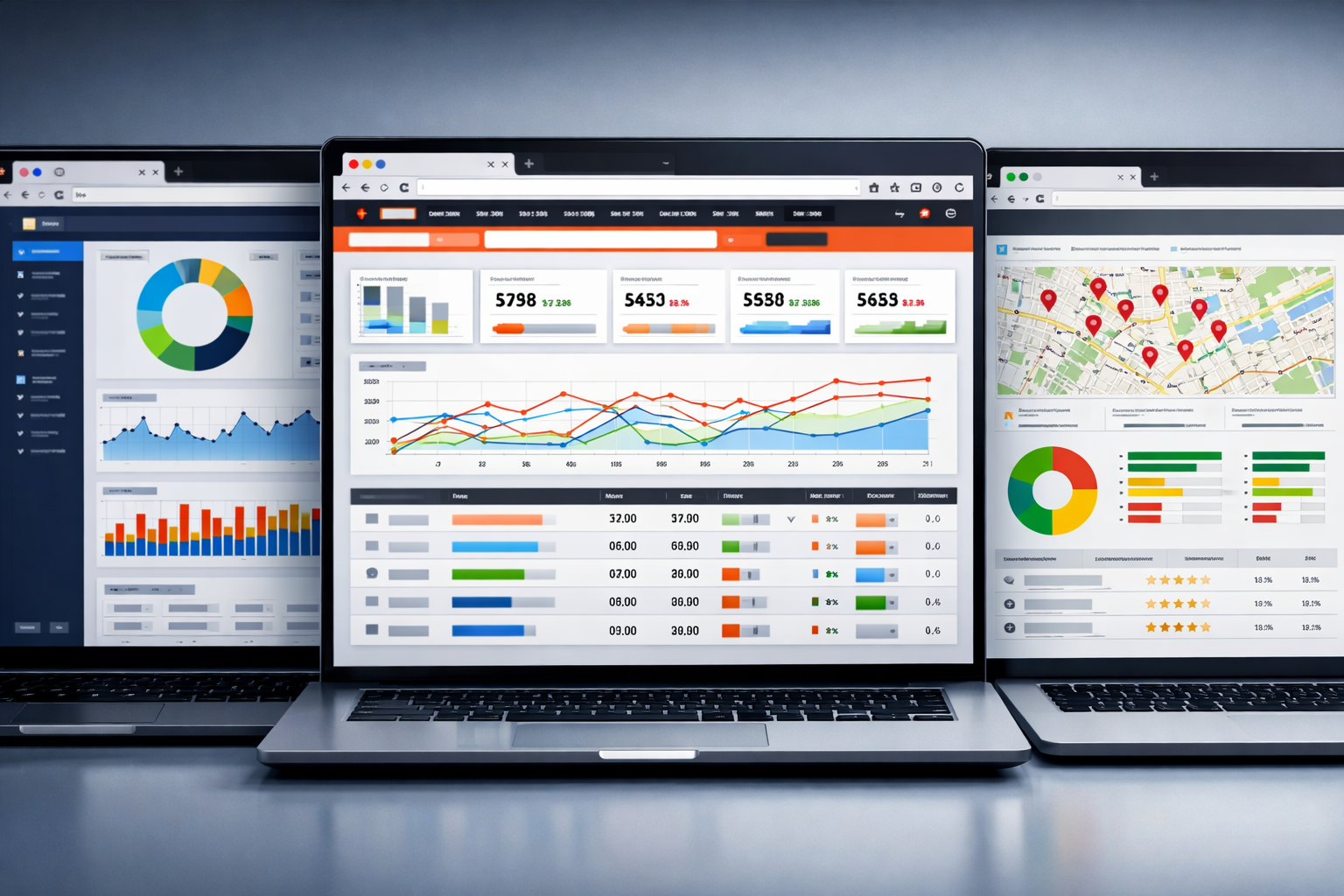
SEO agencies rent third-party tools because building custom software requires upfront investment. The average agency tool stack costs $2,400 per month in subscriptions. Ahrefs, SEMrush, BrightLocal, Screaming Frog, GSC API tools, schema validators, rank trackers. Each tool solves one piece of the puzzle.
The rental model creates three problems. First, agencies pass subscription costs directly to clients through higher monthly retainers. Second, tool integration requires manual data exports and imports between platforms. Third, vendors control feature development and pricing changes.
Laziest Marketing chose a different path. They invested in proprietary tool development instead of perpetual SaaS payments. Here’s the cost comparison:
| Feature | Typical Agency | Laziest Marketing |
|---|---|---|
| Monthly Tool Costs | $2,400/month | $0 after development |
| Client Cost Impact | 15-20% markup | Direct savings passed through |
| Integration Speed | Manual exports/imports | Native API connections |
| Feature Control | Wait for vendor updates | Immediate custom development |
| Data Ownership | Vendor servers | Complete client control |
Tool ownership changes the economics completely. Development costs range from $50,000-150,000 per tool. Break-even hits around 20 clients when compared to ongoing subscriptions. After year two, tool ownership becomes significantly more profitable.
Most agencies stay trapped in the rental model because they lack development resources. Building SEO tools requires understanding search algorithms, local ranking factors, and Hebrew language processing. The technical barrier keeps most competitors paying monthly fees forever.
The Complete Proprietary Tool Stack Behind Local SEO Israel

Local SEO Israel uses proprietary tool infrastructure instead of rented SaaS platforms. Five custom tools handle 90% of local SEO execution tasks. Each tool integrates natively with the others through shared APIs and databases.
The Semantic Internal Linker (SIL) maps entity relationships across site content and automates linking decisions. Traditional internal linking relies on manual analysis and spreadsheet tracking. SIL processes entity co-occurrence patterns and generates linking recommendations in real-time.
Schema Root generates structured data markup specifically for Hebrew/RTL websites. Most schema tools fail on right-to-left languages or produce invalid markup for local businesses. Schema Root achieves 97% validation rate on first deployment.
The Topical Authority Generator (TAG) builds content cluster maps based on search intent analysis. Instead of guessing which topics to cover, TAG identifies content gaps and maps semantic relationships between service pages.
Editorial Stack manages content production workflows from brief generation to publishing. The tool integrates with Chameleon Mode for content strategy and connects to Schema Root for markup automation.
Chameleon Mode analyzes competitor content strategies and identifies optimization opportunities. The tool adapts content recommendations based on local market analysis and Hebrew/English search patterns.
| Tool | Function | Development Timeline |
|---|---|---|
| Semantic Internal Linker | Entity-based linking automation | 8 months |
| Schema Root | Hebrew/RTL structured data | 6 months |
| Topical Authority Generator | Content cluster mapping | 12 months |
| Editorial Stack | Content workflow management | 10 months |
| Chameleon Mode | Competitive content analysis | 14 months |
Each tool connects to the others through shared data models. When Schema Root generates markup for a new service page, SIL automatically updates internal linking patterns. When TAG identifies a content gap, Editorial Stack generates production briefs. The integration eliminates manual data transfer between tools.
Development took four years and cost approximately $600,000 total. The investment pays back through reduced operational costs and faster execution speeds. Tool ownership also enables real-time updates when Google changes local ranking factors.
How Semantic Internal Linker Automates Entity Optimization
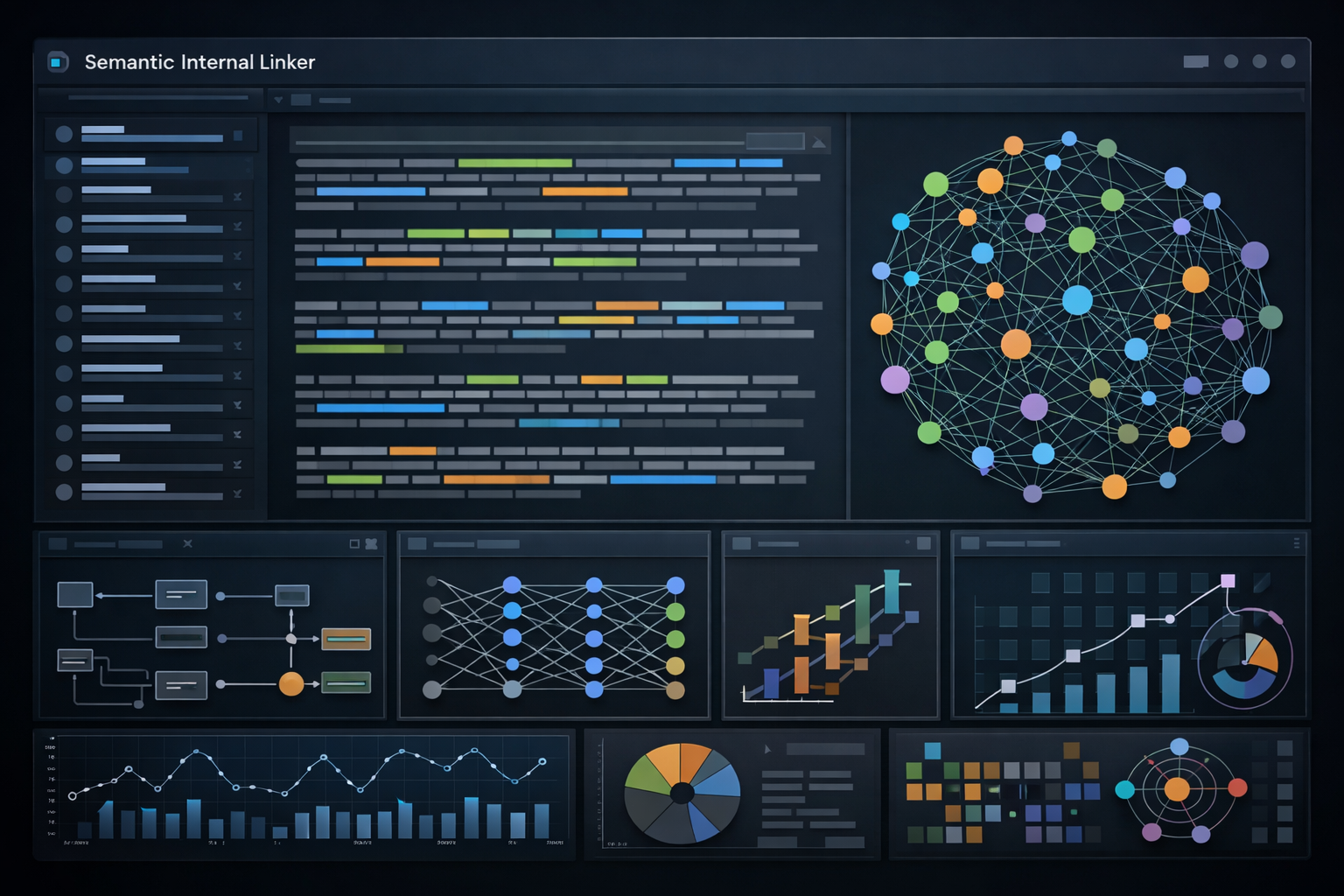
Semantic Internal Linker optimizes entity relationships through automated linking decisions. Manual internal linking fails at scale because humans can’t track thousands of entity co-occurrences across large websites.
SIL processes 1,200+ internal links per site build using this workflow:
- Extract all named entities from existing content using Hebrew and English NLP models.
- Map semantic relationships between entities based on co-occurrence patterns and search intent.
- Identify orphaned content that lacks sufficient internal link equity distribution.
- Generate linking recommendations that strengthen topical authority clusters.
- Deploy links automatically through content management system APIs.
- Monitor link performance and adjust recommendations based on ranking changes.
The entity optimization happens in real-time as new content gets published. When a new service page goes live, SIL automatically identifies related entities and creates linking pathways from existing pages. This automation eliminates the manual spreadsheet tracking most agencies use.
Traditional internal linking relies on keyword matching and manual analysis. SEO specialists create linking matrices in Google Sheets and update them monthly. SIL processes the same analysis continuously and updates linking patterns as content expands.
The tool also handles Hebrew language entity recognition, which most third-party tools miss. Hebrew entities often get tokenized incorrectly or ignored completely by English-trained models. SIL uses custom Hebrew NLP training to identify business names, service categories, and location entities accurately.
Schema Root: Structured Data Generation That Actually Works
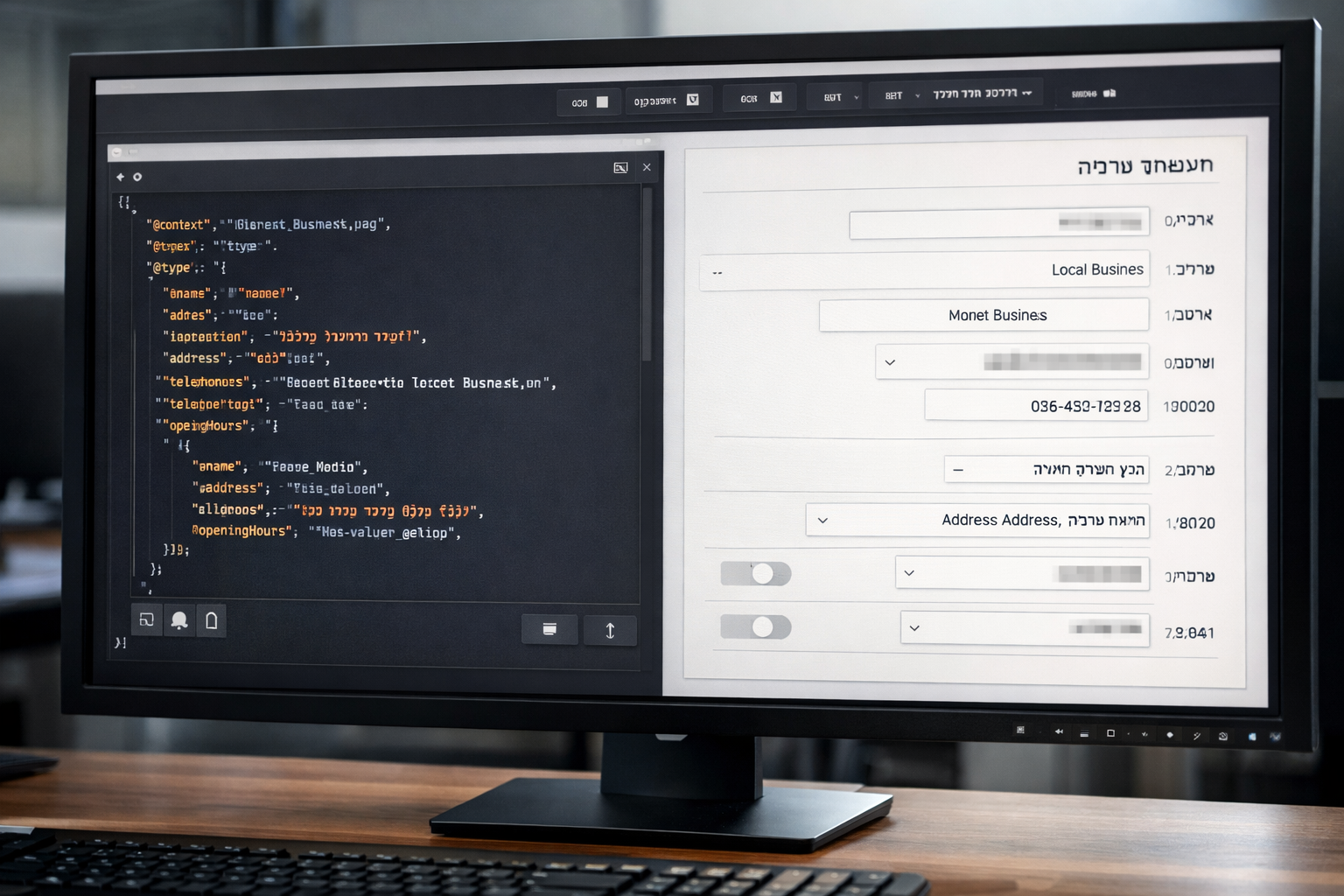
Schema Root is a structured data generation system built specifically for local businesses operating in Hebrew and English. This means it handles right-to-left text direction, Hebrew business names, and mixed-language content that breaks most schema generators.
Most schema tools produce markup that fails Google’s validation because they don’t understand Hebrew character encoding or local business requirements in Israel. Schema Root addresses these problems through custom validation rules and Hebrew language processing.
The tool generates LocalBusiness schema with proper Hebrew translations for business categories, service descriptions, and address formatting. Israeli addresses follow different conventions than US addresses, and most schema generators produce invalid markup when handling Hebrew street names.
Schema Root also handles complex multi-location businesses common in Israel. Many Israeli companies operate in multiple cities with Hebrew and English variations of their business names. The tool generates proper schema hierarchies for each location while maintaining brand entity consistency.
Validation rates matter because invalid schema gets ignored by search engines. Schema Root achieves 97% validation rate on first deployment compared to 60-70% for manual implementation. The tool tests markup against Google’s structured data testing tools before deployment.
Local SEO Israel uses Schema Root for all client implementations instead of relying on WordPress plugins or manual coding. The automation eliminates the back-and-forth testing cycle that delays most schema deployments.
Why BYOK Architecture Changes Everything for Local SEO

BYOK architecture enables real-time optimization that API-dependent workflows can’t match. BYOK stands for “Bring Your Own Keys” – complete ownership of tools, data, and processing infrastructure.
Most agencies rent access to third-party platforms and depend on their APIs for data extraction. When Ahrefs rate-limits API calls or SEMrush changes pricing, agencies wait. BYOK eliminates these dependencies by owning the entire technical stack.
Data ownership creates competitive advantages beyond cost savings. Proprietary tools can process client data immediately instead of waiting for API quotas or dealing with rate limits. This speed advantage enables 12-hour deployment cycles versus the 5-day industry average.
Chameleon Mode exemplifies BYOK benefits. The tool analyzes competitor content gaps by processing search results, social media, and website content simultaneously. Third-party tools require separate API calls to different platforms and manual data correlation. BYOK enables real-time analysis across all data sources.
Integration flexibility matters more than most agencies realize. When Google updates local ranking factors, proprietary tools get updated within 24-48 hours. SaaS providers take months to implement algorithm changes because they serve thousands of customers with different priorities.
Cost structure comparison shows the long-term advantage. Year one costs more due to development investment. Year two breaks even around 20 clients. Year three and beyond generate pure profit margins that rental models can’t match.
Chameleon Mode: The AI Tool That Adapts Content Strategy

Chameleon Mode adapts content strategy automatically by analyzing competitor gaps and search intent patterns. The tool processes Hebrew and English search results to identify content opportunities most agencies miss through manual analysis.
The automated content analysis includes:
- Competitor content audit across 50+ local business websites in the target market
- Search intent mapping for Hebrew and English query variations
- Content gap identification based on topical authority analysis
- Automated content brief generation with target entities and semantic relationships
- Integration with Editorial Stack for streamlined production workflows
Chameleon Mode identifies content gaps 6x faster than manual competitor analysis. Manual analysis requires weeks of spreadsheet work to audit competitor content and identify opportunities. Chameleon Mode processes the same analysis in hours and updates recommendations as competitors publish new content.
The tool handles Hebrew content strategy optimization, which most AI writing tools ignore. Hebrew search patterns differ from English patterns, and direct translation misses cultural context and local search intent. Chameleon Mode analyzes Hebrew search results separately and generates culturally appropriate content recommendations.
Content brief generation happens automatically when gaps get identified. Instead of generic content outlines, Chameleon Mode produces specific entity lists, target word counts, and semantic relationship maps for each content piece. Writers get detailed briefs instead of vague topic suggestions.
Standalone access to Chameleon Mode is available at chameleonmode.me for agencies that want the content strategy benefits without building a complete proprietary stack.
Frequently Asked Questions
How much does it actually cost to build proprietary SEO tools?
Development costs range from $50,000-150,000 per tool depending on complexity. However, the break-even point hits around 20 clients when compared to ongoing SaaS subscription costs. Tool ownership becomes significantly more profitable after year two.
Can other SEO agencies license these proprietary tools?
Local SEO Israel doesn’t license their core tools to competitors. The competitive advantage comes from exclusive access to the integrated tool stack. However, Chameleon Mode is available as a standalone product at chameleonmode.me.
What happens when proprietary tools break or need updates?
Tool ownership means complete control over fixes and updates. Unlike SaaS tools where you wait for vendor fixes, proprietary tools get patched within hours. This is critical for Hebrew language support where third-party tools often fail.
How do proprietary tools handle Google algorithm updates?
Proprietary tools adapt faster because there’s no vendor approval process. When Google changes local ranking factors, updates deploy within 24-48 hours instead of waiting months for SaaS providers to catch up.