Most dental websites in Israel have 15+ pages but only 7 actually drive patient bookings and local rankings. Dental website pages SEO isn’t about quantity – it’s about strategic page architecture that captures high-intent searches and converts visitors into patients.
Key Takeaways:
- 7 core page types generate 80% of dental practice organic traffic in Israel
- Service pages with proper Schema Markup drive 3x more patient calls than generic content
- Location pages increase Google Maps visibility by 67% for multi-location practices
Homepage: The Patient Conversion Hub That Makes or Breaks Your Practice
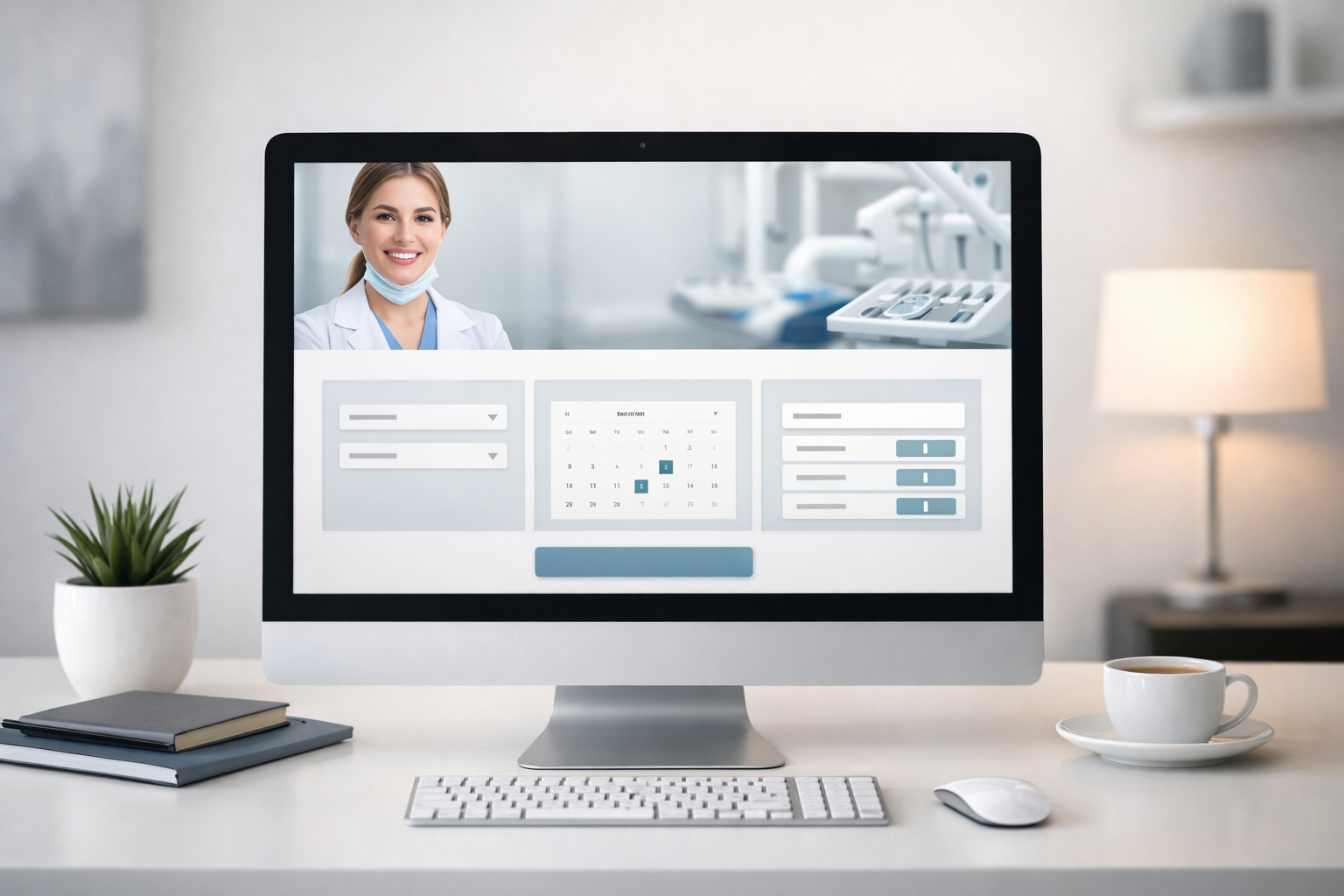
A dental homepage is your practice’s digital front door that must convert website visitors into booked appointments. This means every element above the fold should guide visitors toward scheduling – not just educate them about dentistry.
Homepages with integrated booking systems convert 3x more visitors than contact-form-only sites. Your homepage needs five critical elements: prominent phone number and online booking button, clear NAP consistency matching your Google Business Profile, LocalBusiness Schema markup identifying your practice location and specialties, patient testimonials or reviews from local SEO Israel strategies, and emergency contact information for urgent cases.
The biggest mistake? Treating your homepage like a brochure instead of a conversion tool. Patients searching “dentist near me” want to book an appointment, not read your practice philosophy. Position your booking system prominently, showcase your credentials briefly, and include trust signals like professional certifications and years serving the local community.
Don’t bury essential information below the fold. Patients decide within 3 seconds whether to stay or leave. Make those seconds count with clear value propositions and easy booking options.
Which Service Pages Actually Drive Patient Bookings for Israeli Dentists?
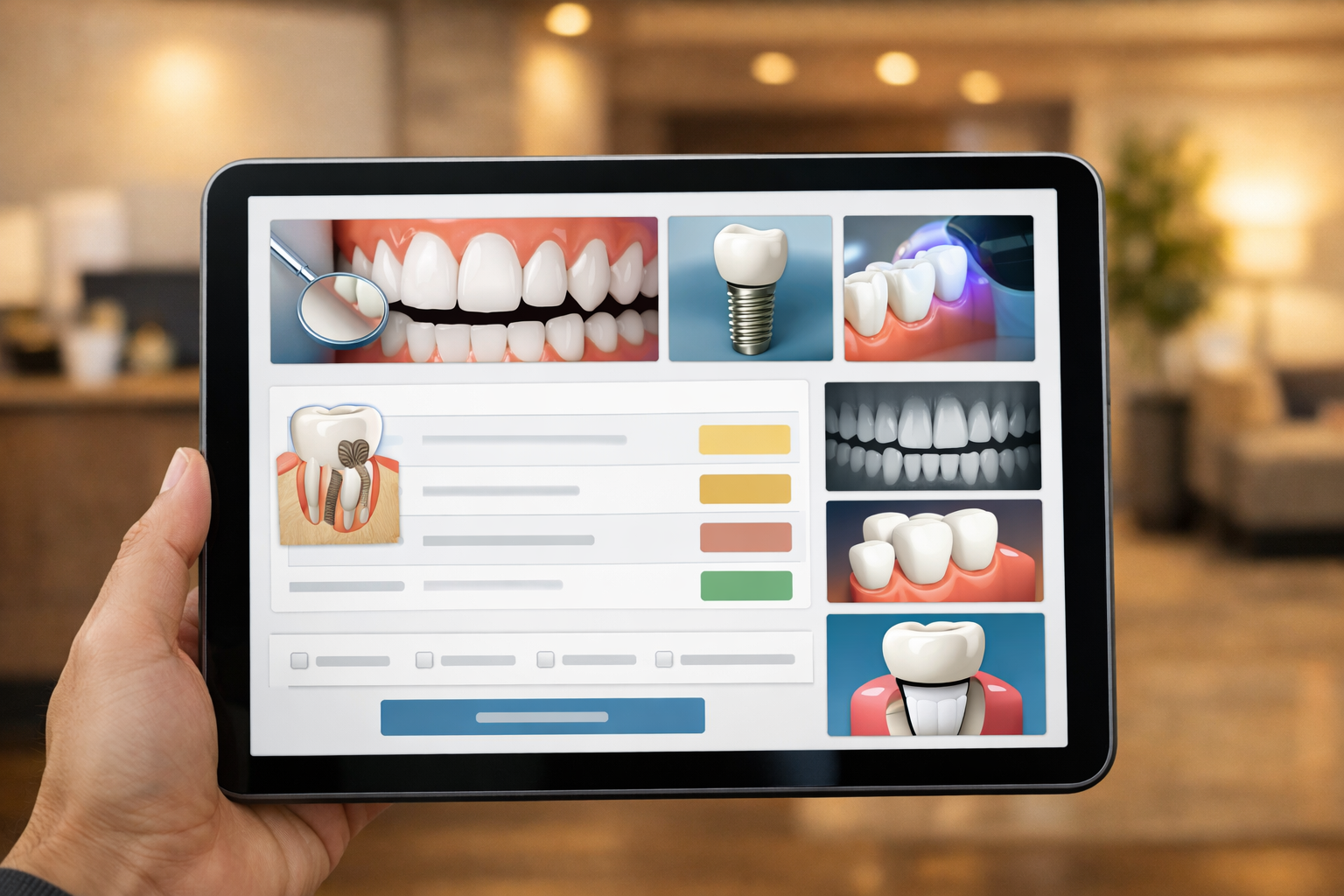
Service pages target specific dental procedures that patients actively search for in Hebrew and English. The key is matching search intent with detailed procedure information, pricing transparency, and clear booking paths.
| Service Type | Hebrew Keywords | Schema Implementation | Conversion Focus |
|---|---|---|---|
| General Cleaning | ניקוי שיניים, ירידת אבנית | Service markup with procedure codes | Routine appointment booking |
| Cosmetic Dentistry | יישור שיניים, הלבנת שיניים | MedicalProcedure schema | Consultation scheduling |
| Dental Implants | שתלי שיניים, השתלות | Service + Organization markup | Multi-visit treatment plans |
| Emergency Care | כאבי שיניים, טיפול חירום | EmergencyService schema | Immediate contact options |
Practices with dedicated service pages for each major procedure see 45% higher booking rates than those with generic “services” pages. Each service page should include procedure details in Hebrew and English, typical treatment duration and cost ranges, before/after photos when appropriate, and direct booking links for that specific service.
The hierarchy matters. Create parent pages for major categories like “Cosmetic Dentistry” with child pages for specific procedures like “Teeth Whitening” and “Veneers.” This structure helps search engines understand your practice specializations while capturing both broad and specific searches.
Internal linking between related services increases session duration and helps patients discover additional treatments they might need.
About Page Architecture That Builds Trust and Local Authority

About pages establish dental practice credibility through doctor credentials, community involvement, and local connections. This isn’t just biographical information – it’s trust-building content that converts skeptical visitors into confident patients.
Doctor credentials and specializations – List university degrees, professional certifications, and specialized training with Schema Person markup for each dentist.
Practice history and community involvement – Detail years serving the local area, community partnerships, and volunteer dental work to establish local authority.
Team member profiles – Include dental hygienists, assistants, and office staff with photos and brief backgrounds to humanize the practice.
Technology and equipment – Mention advanced dental technology and sterilization protocols to address patient safety concerns.
Patient testimonials integration – Embed Google reviews or patient stories that highlight successful treatments and positive experiences.
About pages with community involvement sections increase average session duration by 60%. Patients want to know they’re choosing a practice invested in their local community, not just another dental chain.
Use Schema Person markup for each dentist to help search engines understand practice expertise and specializations. This helps with local SEO dentists Israel strategies and can improve visibility for procedure-specific searches.
Contact and Location Pages: The Local SEO Foundation
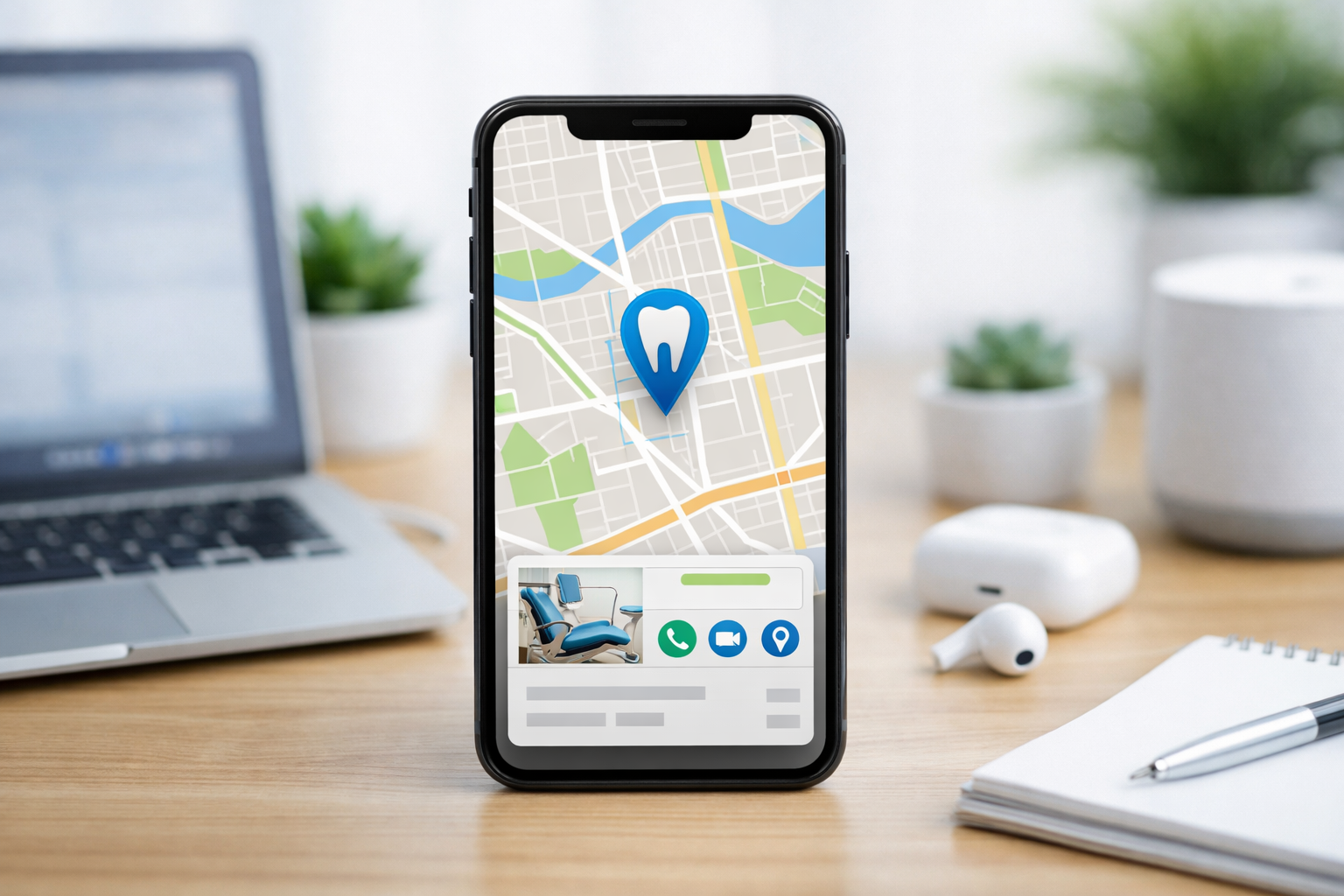
Contact pages optimize local search visibility by providing consistent business information across all digital platforms. These pages serve as the foundation for your local SEO Israel strategy.
Essential contact page elements include:
- Complete NAP consistency – Name, address, phone number must match Google Business Profile and all directory listings exactly
- Embedded Google Maps – Interactive map showing exact practice location with parking information
- Office hours and emergency protocols – Regular hours plus after-hours emergency contact procedures
- Multiple contact methods – Phone, email, online booking, and patient portal access
- Accessibility information – Wheelchair access, parking availability, and public transportation options
- Insurance and payment details – Accepted insurance plans and payment methods to reduce booking friction
Contact pages with embedded maps see 35% more direction requests than address-only pages. The embedded map also signals to Google that you’re a legitimate local business with a physical location.
For multi-location practices, create separate contact pages for each office with unique NAP information and location-specific content. This prevents Google Maps confusion and helps each location rank independently.
Do Emergency Dental Pages Actually Drive Revenue?

Emergency dental pages capture high-intent patient searches during crisis moments when people need immediate dental care. These pages generate 40% higher cost-per-click value than general dental keywords because emergency searches indicate urgent need and willingness to pay premium rates.
Emergency pages target pain-focused keywords like “severe tooth pain,” “broken tooth,” and “dental emergency” in both Hebrew and English. The content structure should address immediate concerns first, then guide toward booking emergency appointments.
Key elements include after-hours contact protocols clearly displayed, pain management advice while waiting for treatment, common emergency scenarios and initial care instructions, and Schema markup for emergency services to improve search visibility.
Mobile optimization becomes critical for emergency pages since patients often search from phones while experiencing dental pain. Keep forms simple, phone numbers prominent, and loading times fast.
Many practices underestimate emergency page value, but these pages often convert better than regular service pages because they capture patients in immediate need who are less price-sensitive and more likely to book quickly.
Patient Portal Integration: Beyond Basic Website Functionality

Patient portals improve user experience and retention by providing secure access to dental records, appointment scheduling, and practice communication tools. These aren’t just convenience features – they’re patient retention tools that reduce administrative overhead.
Integration with practice management software allows patients to view treatment history, schedule appointments, and receive appointment reminders without phone calls. This reduces no-show rates and administrative time spent on routine scheduling tasks.
Practices with integrated patient portals see 28% fewer no-show appointments because patients can easily reschedule online rather than simply not appearing. The portal also enables automated appointment confirmations and reminders.
Security and HIPAA compliance requirements make patient portals complex to implement correctly. Work with dental-specific software providers who understand healthcare privacy regulations rather than generic web developers.
Mobile responsiveness becomes essential since many patients access portals from phones to quickly check appointment times or request prescription refills.
Blog vs. FAQ Pages: Which Content Strategy Wins for Dental Practices?

Content strategy determines long-tail keyword capture and patient education effectiveness. The question isn’t whether to create content, but which format serves patients and search engines best.
| Content Type | Patient Questions | Search Intent | Internal Linking Value |
|---|---|---|---|
| Blog Posts | Educational topics | Research phase | Low conversion focus |
| FAQ Pages | Direct questions | Ready to book | High conversion focus |
| Service Integration | Procedure details | Treatment comparison | Maximum linking value |
| Emergency Content | Urgent problems | Immediate need | Crisis conversion |
FAQ pages answer 65% of common patient questions, reducing phone consultation requests and freeing staff time for higher-value activities. Questions like “Does dental cleaning hurt?” and “How much do dental implants cost?” capture searches from patients ready to book appointments.
Blog content works better for complex topics that require detailed explanation, like “What to expect during root canal treatment” or “Dental implant recovery timeline.” These posts build authority but convert less directly than FAQ content.
The winning strategy combines both: FAQ pages for common questions with clear booking calls-to-action, and blog posts for detailed procedure explanations that link internally to relevant service pages. This captures both research-phase and ready-to-book patients while building topical authority.
Frequently Asked Questions
How many pages does a dental website need to rank well in Israeli search results?
A dental website needs 7 core page types minimum: homepage, 3-5 service pages, about page, contact page, and emergency page. Additional location pages are required for multi-practice operations. Quality trumps quantity for dental SEO.
Should Israeli dental practices create separate pages for Hebrew and English services?
Yes, bilingual dental practices should create separate service pages for Hebrew and English markets. Each language targets different patient demographics and search behaviors. Use hreflang tags to prevent duplicate content issues.
Do dental blogs actually improve SEO rankings for Israeli practices?
Dental blogs improve rankings only when they target patient questions and link internally to service pages. Generic health content doesn’t drive bookings. FAQ pages often outperform blog posts for answering common dental questions.
What’s the biggest mistake Israeli dentists make with their website page structure?
Creating too many thin service pages instead of comprehensive ones. Dentists often make separate pages for every minor procedure instead of grouping related services. This dilutes link equity and confuses search engines about practice specialization.