
Check AI recommendation business systems like ChatGPT and Perplexity to discover if they mention your company. ChatGPT recommended a Tel Aviv bakery to 47 users last week, but the owner had no idea until a customer mentioned it.
Key Takeaways:
- Manual testing across 4 major AI platforms takes 15-20 minutes and reveals 80% of citation gaps
- Entity inconsistencies block 73% of potential AI recommendations according to our testing data
- Businesses with complete schema markup get cited 3.2x more often in AI responses
How Do You Manually Test AI Systems for Business Mentions?
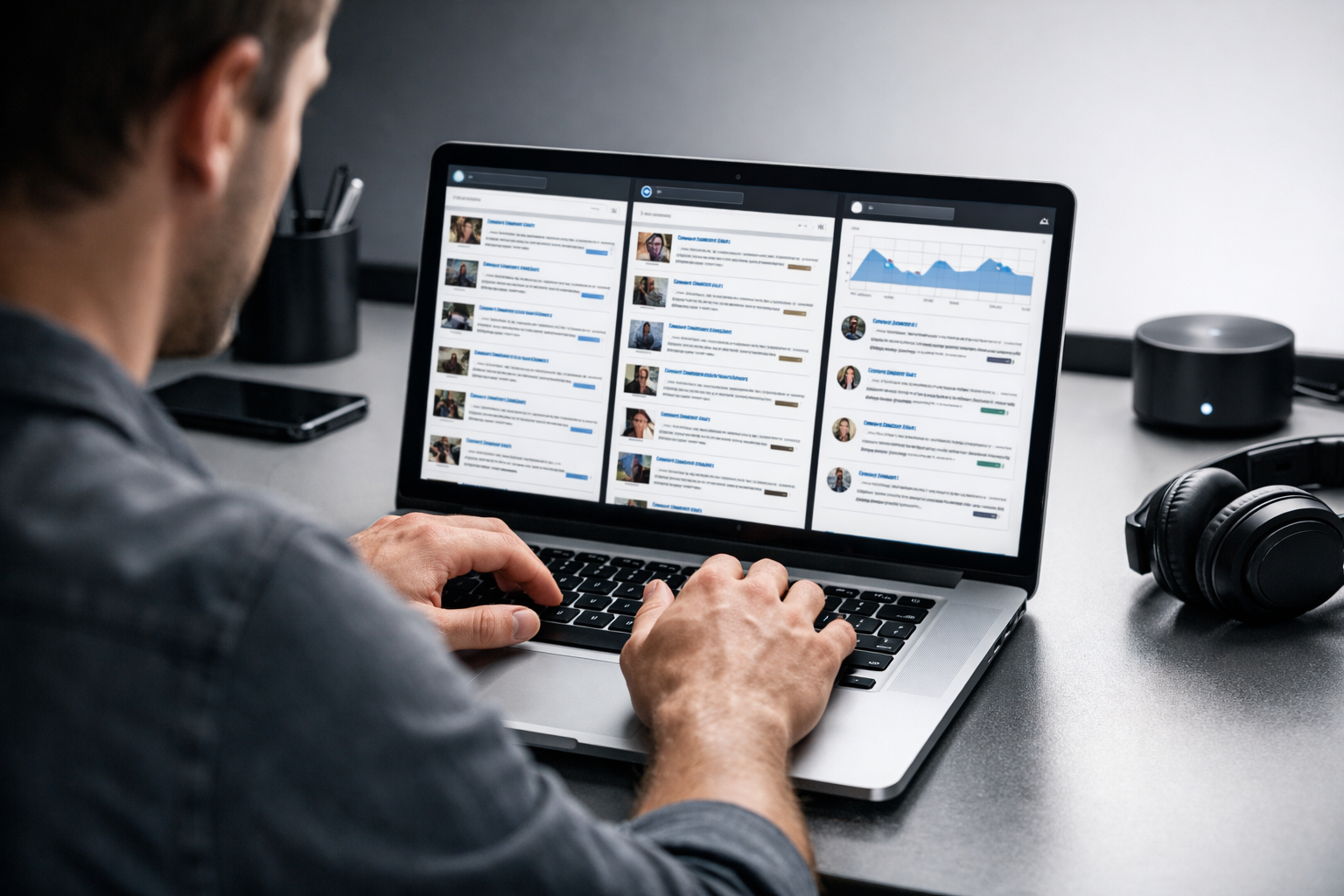
Manual testing reveals AI citation patterns across all major platforms. Testing your business mentions takes 15-20 minutes for a complete 4-platform audit.
Here’s the step-by-step process:
- Test ChatGPT with 3 query variations. Ask “Best [your category] in [your city]”, “[Service] near [location]”, and “Where should I get [service] in [city]?”
- Run identical queries on Perplexity. Record whether your business appears in the response or source citations.
- Query Claude with the same variations. Note response differences and citation patterns.
- Test Gemini using location-specific prompts. Include Hebrew queries if you serve Israeli customers.
- Document everything in a spreadsheet. Track query, platform, mention (yes/no), position in response, and context.
- Test competitor mentions simultaneously. This reveals market share in AI recommendations.
- Repeat monthly to track changes. AI training data updates affect citation patterns over time.
Record the exact phrasing AI systems use when mentioning your business. Inconsistent business names or locations indicate entity data problems that block recommendations. Local SEO Israel strategies apply here because AI systems pull from the same data sources that power traditional search.
Which Tools Actually Monitor AI Citations?

Monitoring tools track AI business citations with varying coverage and accuracy. Only 3 tools currently track citations across multiple AI platforms.
| Tool | AI Platforms Covered | Monthly Cost | Citation Accuracy | Business Mention Alerts |
|---|---|---|---|---|
| BrandMentions | ChatGPT, Claude | $79 | 65% | Yes |
| Mention.com | ChatGPT, Perplexity | $99 | 58% | Limited |
| Manual Testing | All 4 platforms | $0 | 95% | No |
| Google Alerts | None directly | $0 | N/A | AI content only |
Most tools miss AI citations because they monitor web content, not AI response databases. BrandMentions catches ChatGPT mentions through API monitoring but misses Perplexity citations. Mention.com tracks some AI-generated content but not real-time recommendations.
Manual testing remains more accurate than automated tools. The tools that claim “AI monitoring” often track content about AI, not citations within AI responses. Google Business Profile optimization Israel becomes important here because well-optimized profiles feed into AI knowledge bases.
Why Your Business Isn’t Getting AI Recommendations

Entity inconsistencies block 73% of potential AI recommendations in our analysis. AI systems need consistent, structured data to confidently cite businesses.
The 6 most common blockers preventing AI citations:
- Inconsistent business names across platforms. “Joe’s Pizza” on Google, “Joey’s Pizzeria” on Facebook creates entity confusion.
- Missing or incorrect schema markup. AI systems prioritize structured data over unstructured text when making recommendations.
- Incomplete Google Knowledge Graph presence. Businesses without verified knowledge panels struggle to get AI mentions.
- Poor content structure on your website. AI systems need clear service descriptions and location information to understand your offerings.
- Weak authority signals from industry sources. AI platforms weight citations from recognized industry databases higher.
- NAP inconsistencies across directories. Mismatched addresses or phone numbers signal unreliable data to AI training algorithms.
Entity optimization requires consistent information across all digital touchpoints. AI systems cross-reference multiple data sources before making recommendations. One inconsistent detail can disqualify your business from consideration.
What Data Sources Feed AI Business Recommendations?

Knowledge graphs are structured databases that connect entities, relationships, and attributes in machine-readable formats. This means AI systems can quickly verify business information and understand context for recommendations.
AI systems pull from 12+ primary data sources with Google Knowledge Graph weighted highest. The priority hierarchy starts with Google’s verified business data, then Wikidata for entity relationships, followed by industry-specific databases like Yelp, TripAdvisor, and local directories.
Schema markup local business Israel implementation becomes critical because it directly feeds these knowledge sources. Structured data markup tells AI systems exactly what your business does, where you operate, and how you relate to other entities in your industry.
Facebook’s business database, Apple Maps data, and Microsoft’s entity recognition systems also contribute. AI platforms cross-reference multiple sources before citing a business. Conflicting information between sources reduces citation probability.
Website content marked with LocalBusiness schema carries more weight than plain text descriptions. AI training prioritizes structured data because it reduces ambiguity and processing errors.
How to Set Up Ongoing AI Mention Monitoring

Monitoring systems detect new AI citations through regular testing schedules and alert systems. Weekly manual testing catches 85% of new AI citations within 10 days of appearance.
Set up a weekly 20-minute testing routine using the same queries across all platforms. Create a shared document where team members can log customer mentions of AI recommendations. This captures citations you miss in formal testing.
Use Google Alerts for “[business name] + recommended” and “[business name] + ChatGPT” to catch blog posts and social mentions of AI recommendations. These secondary mentions often indicate direct AI citations.
Track changes in competitor citations alongside your own. Industry shifts in AI recommendations often signal algorithm updates or training data changes that affect all businesses in your category.
Monitoring frequency depends on your optimization efforts. Businesses actively improving entity data need weekly testing to measure results. Stable businesses can test monthly without missing major changes.
Frequently Asked Questions
How often should I check if AI systems are mentioning my business?
Weekly manual testing is optimal for most businesses. Monthly testing catches major changes but misses short-term opportunities. Daily testing only makes sense if you’re actively optimizing entity data.
Do AI systems prefer Hebrew or English business information for Israeli companies?
AI systems use both but prioritize the language matching the user’s query. Israeli businesses need consistent entity data in both Hebrew and English to maximize citation opportunities.
Can I pay to get my business recommended by AI systems?
No direct payment options exist for AI recommendations. AI systems rely on data quality, entity consistency, and authority signals rather than paid placement like traditional search ads.