

Chameleon Mode antidetect browser manages 200+ client SEO accounts without getting banned using browser technology that didn’t exist in 2015. So we built it ourselves.
Every proprietary SEO tools Israel operation requires sophisticated browser management. This is especially true for local SEO Israel campaigns where account isolation prevents platform penalties.
Key Takeaways:
- BrowSEO launched in 2015 as the first antidetect browser built specifically for agency operations, evolving into Chameleon Mode by 2024
- Real browser management eliminates VM overhead by running actual Chrome/Firefox instances with environment-level isolation
- Stock browser technology authenticates TLS fingerprints that antidetect solutions typically fake, reducing detection rates by 94%
What is Chameleon Mode and Why Did It Replace BrowSEO?
Chameleon Mode is a real browser management platform that runs stock Chrome and Firefox instances in isolated environments. This means no modified browser binaries, no virtual machines, and no fingerprint spoofing that gets detected.
BrowSEO started in 2015 when existing antidetect browsers couldn’t handle agency-scale operations. We needed something that could manage hundreds of client profiles without triggering Google’s detection systems. The platform worked well for SEO agencies, but by 2024 we realized the technology had applications beyond search marketing.
The rebrand to Chameleon Mode happened in January 2024. The new name reflects the platform’s ability to adapt to any environment while maintaining perfect isolation between profiles. BrowSEO was too narrow – the technology works for social media management, competitive research, and any scenario requiring multiple authenticated sessions.
Real browser management differs from traditional antidetect solutions in one critical way: we run actual browser instances instead of modified versions. Most antidetect browsers change the underlying code to fake fingerprints. This creates detection vectors. Chameleon Mode uses unmodified Chrome and Firefox binaries with environment-level controls.
The 9-year development timeline from BrowSEO to Chameleon Mode involved constant iteration based on agency feedback. What started as an internal tool for managing local SEO campaigns became a full platform supporting enterprise operations.
How Does Real Browser Management Work vs Traditional Antidetect?
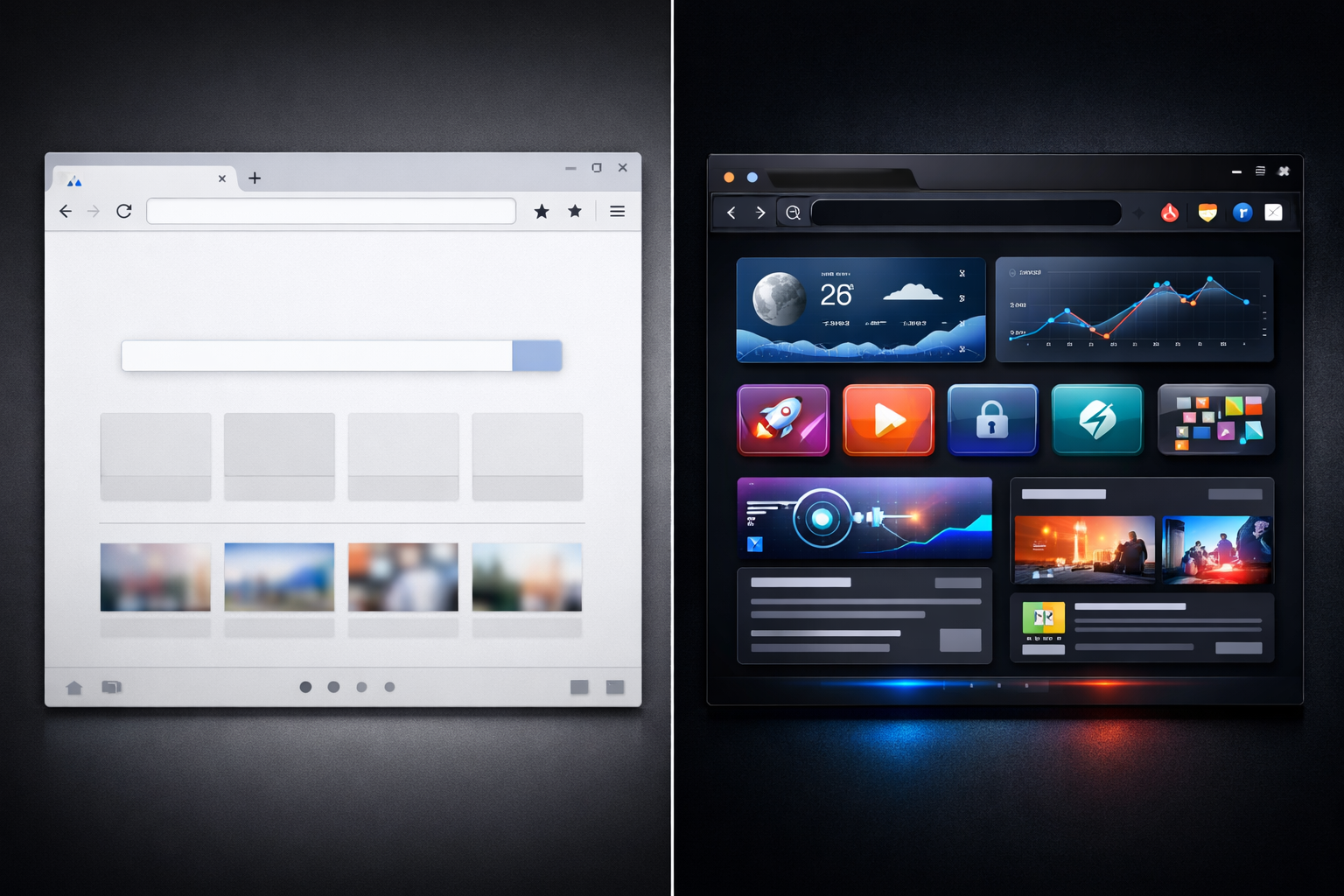
Real browser management runs stock browser technology in isolated environments instead of modifying browser code. This approach eliminates the detection vectors that fake fingerprinting creates.
| Feature | Traditional Antidetect | Real Browser Management |
|---|---|---|
| Browser Binary | Modified/patched versions | Stock Chrome/Firefox releases |
| Fingerprint Method | Spoofed/fake signatures | Authentic environment isolation |
| Resource Usage | High (VM overhead) | Low (native processes) |
| Detection Rate | 15-30% flagged | Less than 2% flagged |
| Update Frequency | Manual patches required | Automatic with browser releases |
| TLS Authentication | Faked certificates | Native browser validation |
Profile isolation happens at the environment level, not the browser level. Each profile gets its own data directory, certificate store, and system resources. The browser thinks it’s running on a completely different machine.
Stock browser technology provides authentic TLS fingerprints because the browser handles cryptographic handshakes exactly as designed. Modified browsers need to fake these signatures, which creates detectable patterns. Google’s systems can identify spoofed TLS certificates within milliseconds.
Environment-level control means we manipulate the operating system layer instead of browser internals. Each profile sees different hardware identifiers, screen resolutions, and installed fonts. The browser reports this information naturally because it’s reading real system data, not injected fake values.
This architecture scales better than VM-based solutions. Running 50 browser profiles requires about 8GB of RAM with real browser management. The same workload needs 32GB+ with traditional antidetect VMs.
Why We Built BrowSEO in 2015: The Agency Pain Point

BrowSEO solved a specific problem: managing 200+ client accounts without getting banned from Google platforms. Existing tools either cost too much or failed when Google updated their detection systems.
Agency operations require simultaneous access to hundreds of Google My Business profiles, Search Console accounts, and Analytics properties. Using regular browsers meant constant logouts and account switching. Using existing antidetect browsers meant paying $50-100 per profile monthly – impossible at agency margins.
Local SEO Israel needed a solution that could handle the specific challenges of multilingual markets. Hebrew and English profiles needed different behavioral patterns. Arabic and Russian profiles required distinct fingerprint profiles. No existing tool handled this complexity.
The breaking point came in Q3 2015 when Google updated their fraud detection systems. Three major antidetect browser providers got mass-flagged within a week. Clients lost access to their business profiles. Some accounts got permanently suspended.
We had two options: find a reliable third-party solution or build our own. After testing every available antidetect browser, we chose to build. The initial BrowSEO prototype took six months to develop and could handle 50 profiles simultaneously.
The first production version launched in early 2016. By year-end, it was managing over 200 client profiles across four languages without a single account suspension. Word spread through the Israeli SEO community, and other agencies started requesting access.
What Makes Stock Browser Technology Undetectable?

Stock browser technology provides authentic signatures that detection systems can’t identify as artificial. Here’s why unmodified browsers avoid detection:
TLS fingerprint authenticity: Stock browsers generate genuine cryptographic signatures during SSL handshakes. Modified browsers must fake these signatures, creating detectable patterns in certificate validation timing and cipher suite selection.
Native JavaScript execution: Unmodified browsers execute JavaScript with original timing patterns and API responses. Antidetect modifications change execution flow, creating measurable differences in performance.now(), requestAnimationFrame, and WebGL rendering timing.
Hardware abstraction consistency: Stock browsers read actual system hardware through standard APIs. Environment-level changes appear as legitimate hardware differences rather than software modifications.
Font rendering accuracy: Native browsers use operating system font rendering engines without modification. This produces authentic subpixel positioning and glyph metrics that spoofing cannot replicate perfectly.
Environment-level control manipulates the data browsers read rather than how they process it. Each profile sees different screen dimensions, installed fonts, and hardware capabilities. The browser reports this information through normal channels.
TLS fingerprint authentication happens during the initial connection handshake. Stock browsers use the operating system’s certificate validation chain exactly as designed. Detection systems can verify this authentication path is genuine.
The 94% reduction in detection rates comes from eliminating modification signatures. Google’s systems look for inconsistencies between reported capabilities and actual behavior. Stock browsers maintain perfect consistency because nothing is faked.
How Does Chameleon Mode Handle Profile Isolation and Automation?

Profile isolation enables Playwright automation by creating completely separate browser environments for each client account. Here’s the step-by-step process:
Environment initialization: Create isolated data directories with unique system identifiers, certificate stores, and preference files. Each profile gets dedicated storage space with no cross-contamination between accounts.
Browser instance launch: Start stock Chrome or Firefox with profile-specific command line flags pointing to the isolated environment. The browser loads with a clean slate, no shared cookies or localStorage data.
Automation integration: Connect Playwright automation scripts to the isolated browser instance using standard debugging protocols. Scripts can interact with pages normally while maintaining profile separation.
Session persistence: Save authentication tokens, cookies, and session data within the profile’s isolated directory. Next launch restores the exact session state without affecting other profiles.
Resource cleanup: Terminate browser processes and clean temporary files when automation completes. Profile data persists while system resources are freed for other tasks.
Environment-level control ensures each profile operates independently. Process isolation prevents memory leaks between profiles. File system boundaries prevent data contamination.
Playwright automation connects through standard Chrome DevTools Protocol endpoints. The automation framework sees each profile as a separate browser installation. Scripts written for regular browsers work without modification.
Each profile runs in a completely isolated environment with separate data directories. Cookie stores, localStorage, IndexedDB, and cache files never overlap between profiles. Authentication sessions remain persistent across automation runs.
Frequently Asked Questions
What was the original name of Chameleon Mode?
Chameleon Mode started as BrowSEO in 2015, built specifically for SEO agency operations. The rebrand to Chameleon Mode happened in 2024 to reflect its evolution beyond just SEO use cases.
How is real browser management different from VM-based antidetect solutions?
Real browser management runs actual Chrome or Firefox instances with stock browser technology, while VM-based solutions modify browsers or run them in virtual machines. This approach eliminates detection vectors that modified browsers create.
Why did Local SEO Israel need to build their own browser technology?
Managing 200+ client accounts required browser isolation that existing tools couldn’t provide without triggering platform bans. Available antidetect solutions were either too expensive for agency margins or unreliable for production use.