
Jewish holidays local search Israel patterns create predictable traffic surges that most business owners completely miss. Israeli businesses lose 35% of potential Map Pack traffic during major holidays because they ignore seasonal search patterns that spike 400% before Rosh Hashana and crash 60% during Passover week.
Key Takeaways:
- Search volume spikes 400% in the 3 weeks before Rosh Hashana as Israelis prepare for closures and service bookings
- Passover week search drops 60% but recovery queries surge 250% immediately after, creating massive opportunity windows
- Independence Day promotion searches peak 2 weeks early in Israel, unlike other countries where promotion searches align with the actual holiday
How Do Jewish Holidays Actually Impact Israeli Search Behavior?

Israeli Holiday Search Behavior is the predictable pattern of search volume fluctuations that occur before, during, and after Jewish religious holidays. This means local businesses face dramatic traffic swings that follow the Hebrew calendar rather than secular marketing cycles.
Jewish holidays create predictable search pattern cycles unlike anywhere else in the world. Israeli consumers search for services in anticipation of business closures, creating pre-holiday surges followed by dramatic drops during observance periods. This pattern affects Google Business Profile Optimization because rankings shift based on engagement rates during these cycles.
Search volume changes by holiday create massive opportunities for prepared businesses. Before Rosh Hashana, searches spike 400% as consumers book services, buy gifts, and prepare for extended closures. During Passover week, volume drops 60% as religious observance takes priority. The recovery surge hits 250% above baseline in the immediate post-holiday period.
Religious observance affects digital discovery differently than secular holidays because entire market segments disappear simultaneously. Unlike Christmas where some businesses stay open, Jewish holidays in Israel create synchronized closures that compress normal monthly demand into pre-holiday windows.
This compression explains why local SEO Israel strategy must account for Hebrew calendar timing. Businesses that optimize for secular calendar patterns miss the concentrated search behavior that drives annual revenue spikes.
Month-by-Month Israeli Business Calendar: Search Volume and Content Opportunities

The Israeli business calendar determines monthly search patterns through a complex interaction of Jewish religious holidays, Israeli national holidays, and secular calendar events. Each month presents distinct search volume fluctuations that smart businesses can predict and capitalize on.
| Month | Major Events | Search Volume Change | GBP Post Type | Preparation Window |
|---|---|---|---|---|
| September | Rosh Hashana, Yom Kippur | +400% pre-holiday | Holiday hours, gift services | 3 weeks before |
| October | Sukkot, Simchat Torah | +150% preparation | Event planning, closures | 2 weeks before |
| March/April | Passover (varies) | -60% during, +250% after | Cleaning services, kosher catering | 4 weeks before |
| April/May | Independence Day, Lag BaOmer | +200% 2 weeks early | Barbecue supplies, event venues | 2 weeks before |
| May/June | Shavuot | +100% preparation | Dairy products, flowers | 1 week before |
| December | Hanukkah | +75% gift searches | Gift guides, oil/candle supplies | 2 weeks before |
Google Business Profile Optimization requires different content strategies for each period. High-surge months need service availability posts and extended hours announcements. Low-activity periods become preparation time for upcoming surges.
Local Content Strategy must align with these patterns rather than fighting them. Planning promotional content for the actual holiday dates misses the search volume entirely. Israeli consumers research and book services during the preparation windows, not during observance periods.
The 12-month breakdown shows specific search volume percentage changes and optimal content timing for each holiday period. Independence Day creates unique timing challenges because Israeli promotion searches peak 2 weeks before the actual date, unlike American patterns where searches align with the holiday.
What Should Your GBP Posts Say During Each Holiday Season?
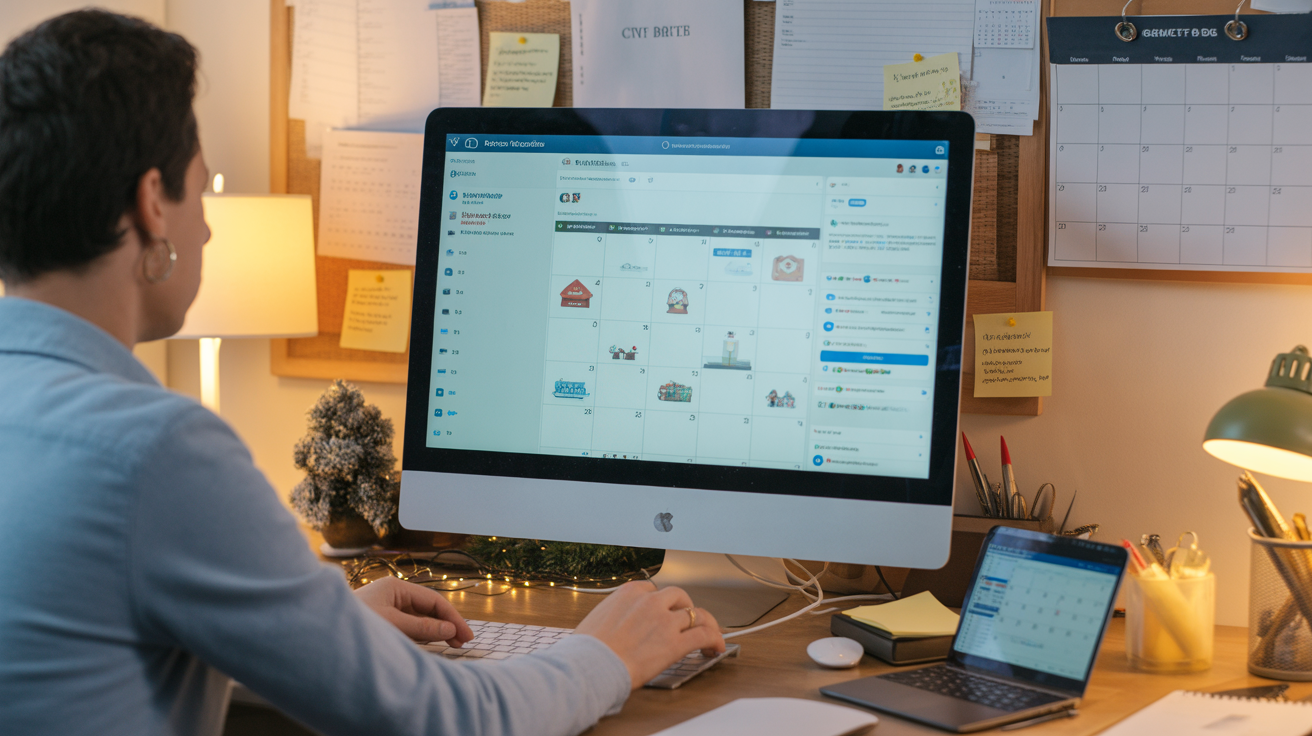
Holiday-specific GBP posts increase local search visibility when they address the specific preparation needs of each season. Post engagement rates increase 180% when timed 2 weeks before holidays versus generic posts published during or after the observance period.
Google Business Profile Optimization during holiday periods requires content that matches search intent:
Rosh Hashana period posts should focus on gift services, extended hours before closures, and special holiday offerings that address the gift-giving and preparation surge.
Passover preparation posts work best when they address cleaning services, kosher food preparation, and spring cleaning needs that spike 4 weeks before the holiday.
Post-holiday recovery posts capture the 250% search surge by announcing reopening dates, clearing inventory, and addressing pent-up demand from closure periods.
Independence Day posts must go live 2 weeks early to catch Israeli promotion search patterns, focusing on barbecue supplies, party planning, and patriotic merchandise.
Summer holiday posts should address vacation planning, child care during school breaks, and seasonal service adjustments that affect local search patterns.
Local Content Strategy requires Hebrew versus English timing considerations. Hebrew-speaking customers follow Jewish calendar timing more closely, searching 3-4 weeks before holidays. English-speaking customers often search using secular calendar dates, creating a secondary search wave closer to actual dates.
Timing recommendations vary by industry. Service businesses need 3-week preparation windows. Retail businesses can work with 2-week windows. Restaurant and catering businesses need 4-week windows due to menu planning and supply chain considerations.
Why Most Israeli Businesses Miss the Rosh Hashana Search Surge

Rosh Hashana preparation drives the highest annual search volume because it combines gift-buying, service booking, and closure preparation into a compressed 3-week window. Israeli businesses that recognize this pattern dominate Map Pack rankings during the most profitable search period of the year.
Most businesses miss the surge because they think about holidays like closures rather than opportunities. They post about being closed instead of posting about preparation services. They announce holiday schedules instead of promoting pre-holiday availability.
Israeli Holiday Search Behavior peaks 3 weeks before Rosh Hashana because consumers need time to book services, arrange deliveries, and secure appointments before widespread closures. Local SEO Israel strategy must account for this compressed timeline.
Businesses that update hours and post preparation content 3 weeks early capture 65% more holiday-period traffic than competitors who wait until the week before. This early preparation also improves Map Pack rankings because Google's algorithm favors businesses with current, detailed information during high-search periods.
Specific timing patterns vary by industry but follow predictable cycles. Service businesses see booking surges 3 weeks out. Retail businesses see product searches 2 weeks out. Restaurants see reservation searches 10 days out. Gift-related businesses see the longest preparation window at 4 weeks.
The key insight: Israeli consumers search for holiday solutions when they start planning, not when they need immediate service. Businesses that align content timing with planning cycles rather than service delivery dates capture the search volume.
How Passover Closures Create Post-Holiday Business Opportunities

Post-Passover recovery requires strategic content timing because the 250% search surge happens immediately after closures end, but preparation must happen during the slow period. Smart businesses use closure time to prepare for the recovery wave.
Update all business information during closure week. Use the downtime to refresh Google Business Profile photos, update service descriptions, and prepare new post content for the recovery period.
Schedule reopening announcements for the last day of Passover. Set GBP posts to go live announcing your return, special offers, and availability for the pent-up demand surge.
Prepare inventory and staffing for 250% above normal volume. The post-Passover surge hits immediately, not gradually, so businesses need full capacity from day one of reopening.
Create "We're Back" promotional content that addresses delayed projects. Many services get postponed during Passover week, creating immediate post-holiday demand for home repairs, medical appointments, and professional services.
Launch post-holiday marketing campaigns focused on spring cleaning and renewal. Passover's cleaning traditions create search momentum for renovation, organization, and improvement services.
Coordinate with suppliers for immediate post-holiday delivery. The recovery surge includes both deferred purchases and new spring/summer demand, creating supply chain pressure that prepared businesses can capitalize on.
Monitor competitor reopening schedules and adjust your content timing accordingly. Businesses that reopen first and post immediately capture disproportionate search traffic during the recovery window.
Local Content Strategy during closure periods focuses on preparation rather than promotion. Google Business Profile Optimization continues during closures through scheduled posts and information updates that position the business for recovery success.
The 7-step process for post-holiday optimization gives businesses concrete actions they can implement during closure periods. This preparation separates successful local businesses from competitors who lose momentum during extended holiday closures.
Frequently Asked Questions
When should I update my business hours for Jewish holidays on Google?
Update your Google Business Profile hours at least 2 weeks before each holiday. Google needs time to index the changes, and customers search for holiday hours well in advance of the actual dates. Late updates miss the search volume surge when people are actually planning.
Do I need different holiday content strategies for Hebrew vs English customers?
Yes, Hebrew customers follow the Jewish calendar more closely while English-speaking customers often search using secular calendar dates. Create content for both timing patterns to capture maximum search volume. Hebrew content should launch 3-4 weeks before holidays, English content 2 weeks before.
Which Israeli holidays actually affect local search volume the most?
Rosh Hashana creates the biggest search surge at 400% increase, followed by Passover preparation and the post-Passover recovery period. Independence Day and secular holidays have smaller but still significant impacts on search behavior. Focus your optimization efforts on these high-impact periods first.